
Image source: Louis Poulsen — LP Nest
© Louis Poulsen and the respective rights holders. Quoted to accompany INTEBEE's independent design commentary and research.
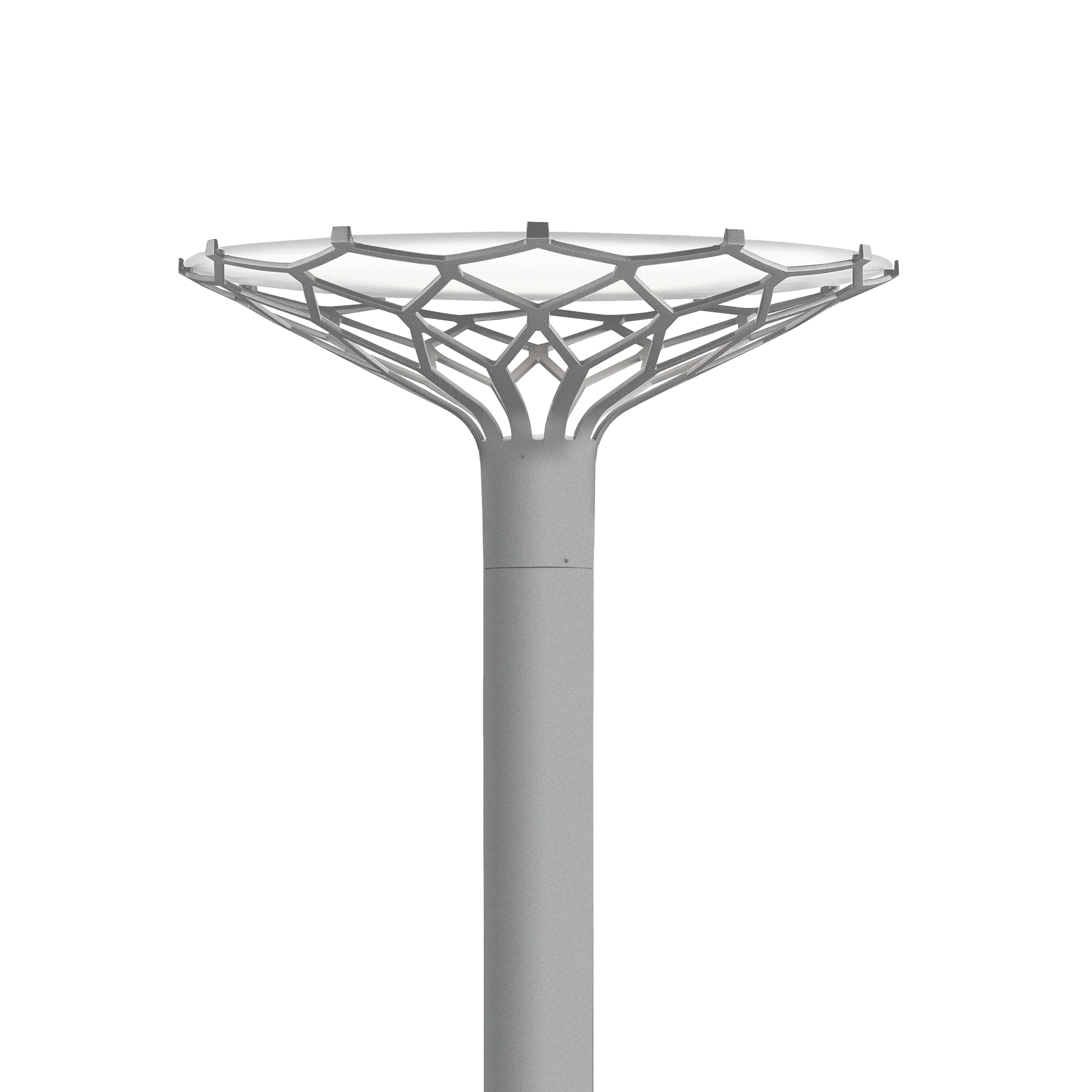
LP Nest
Post-top luminaire with indirect, soft, symmetrical light, launched in 2010

749 × 330 × 749 mm
2010
Approx. $3,300 (reference price; varies by region and retailer)
Official product information
INTEBEE AI PUBLIC LIBRARY is an independent furniture design research and discovery platform. Product specifications, finishes, availability and other details may change. For current and definitive information, please refer to the manufacturer's official website.
Go to the official product pageSpecifying LP Nest for your design project?
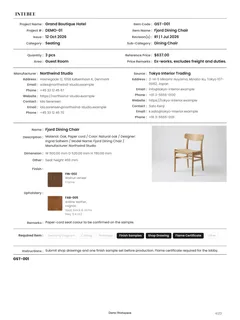
INTEBEE is the FF&E specification platform for interior designers: spec sheets, finishes, floor plans and client-ready PDFs in one place.
Description
Overview
The LP Nest is a post-top luminaire by Bystrup Architects for Louis Poulsen, with a spun aluminium top shade and a die cast aluminium framework.
Materials and fittings
- Top shade of spun aluminum
- Enclosure of clear glass
- Reflector of anodized aluminum
- Framework of die cast aluminum
- Powder coated, 2 finishes
- Mounts on a round straight aluminum pole (RSA-4.5IN) with the tenon provided; the electrical equipment sits within the pole top to a depth of 18 in
Specifications
- LED 3000 K, 40 W system wattage, 3215 lm in this variant; 120-277 V, 60 Hz
- Dimming 0-10 V; Ra 80 or more
- cULus wet location; IP65, IK09; BUG rating B1-U3-G1
- Ambient temperature -40 °C to +85 °C; wind load EPA 1.7 sq ft
- Weight 31.2 lbs
Story
A post light from nature's structures
Bystrup Design was tasked with a post light that meets technical requirements such as cut-off criteria and glare-free lighting, together with specific aesthetic aims. The idea was to take inspiration from structures in nature.
Shade like a tree crown
Erik Bystrup likens the shade to a stylistic tree crown growing out of the trunk, with a filigree pattern that imitates the bare trees of winter. The design also takes the development of new light sources into account.