
Image source: Louis Poulsen — Kipp Post
© Louis Poulsen and the respective rights holders. Quoted to accompany INTEBEE's independent design commentary and research.
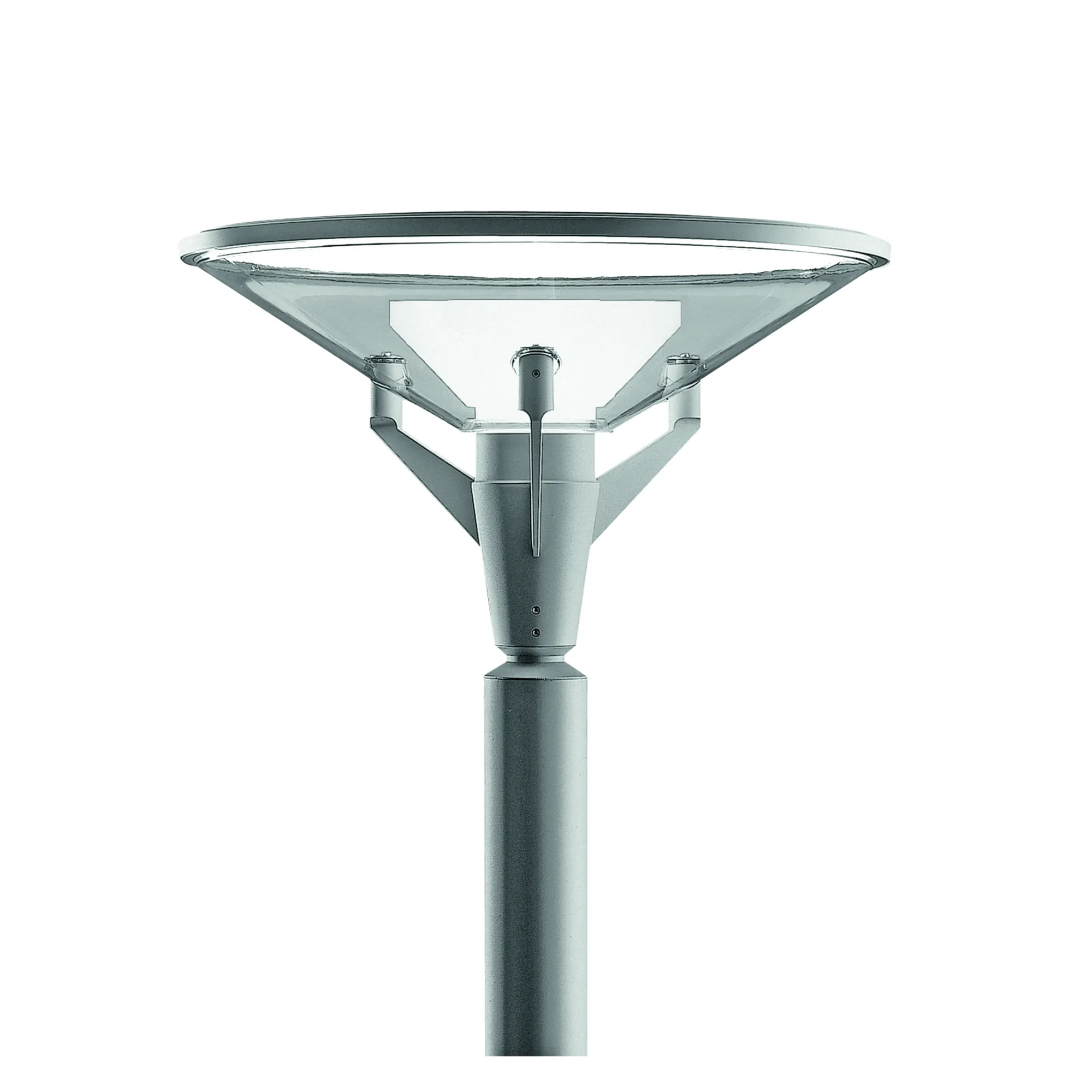
Kipp Post
Post-top LED luminaire with a slightly curved top shade and an inner opal diffuser by Alfred Homann


772 × 460 × 772 mm
1997
Denmark
Approx. $3,200 (reference price; varies by region and retailer)
Official product information
INTEBEE AI PUBLIC LIBRARY is an independent furniture design research and discovery platform. Product specifications, finishes, availability and other details may change. For current and definitive information, please refer to the manufacturer's official website.
Go to the official product pageSpecifying Kipp Post for your design project?
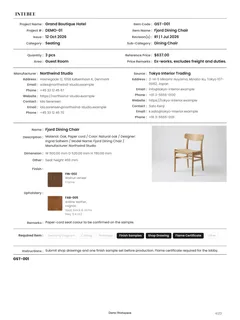
INTEBEE is the FF&E specification platform for interior designers: spec sheets, finishes, floor plans and client-ready PDFs in one place.
Description
Overview
Kipp Post is a post-top luminaire by Alfred Homann for Louis Poulsen; it has a slightly curved top shade, a clear polycarbonate lens and an inner white opal acrylic diffuser, with a built-in LED.
Materials and fittings
- Top shade of injection molded ASA thermoplastic
- Frame of die-cast aluminum
- Lens of injection molded UV stabilized clear polycarbonate
- Diffuser of white opal acrylic
- Finish: Natural Aluminum or Black, textured powder coat
- Mounts onto a round straight aluminum RSA-4.5IN pole with the provided tenon
Specifications
- 30.4 in x 30.4 in x H 18.1 in
- Integral LED in 3000K or 4000K, CRI 80 or more, 120-277V, 0-10V dimming
- IP65, IK10, cULus wet location
Story
Designed in 1997
Alfred Homann designed Kipp Post in 1997. He designed it for urban environments where functional and pleasant lighting comfort was desired, with easy maintenance and easy bulb changes.
Tilting light head
A special system lets the light head tilt for access to the electrical components. The luminaire emits symmetrical light directed downwards; the inner diffuser angle and the slightly curved top shade give a wide band of glare-free, uniform lighting.
More by Alfred Homann
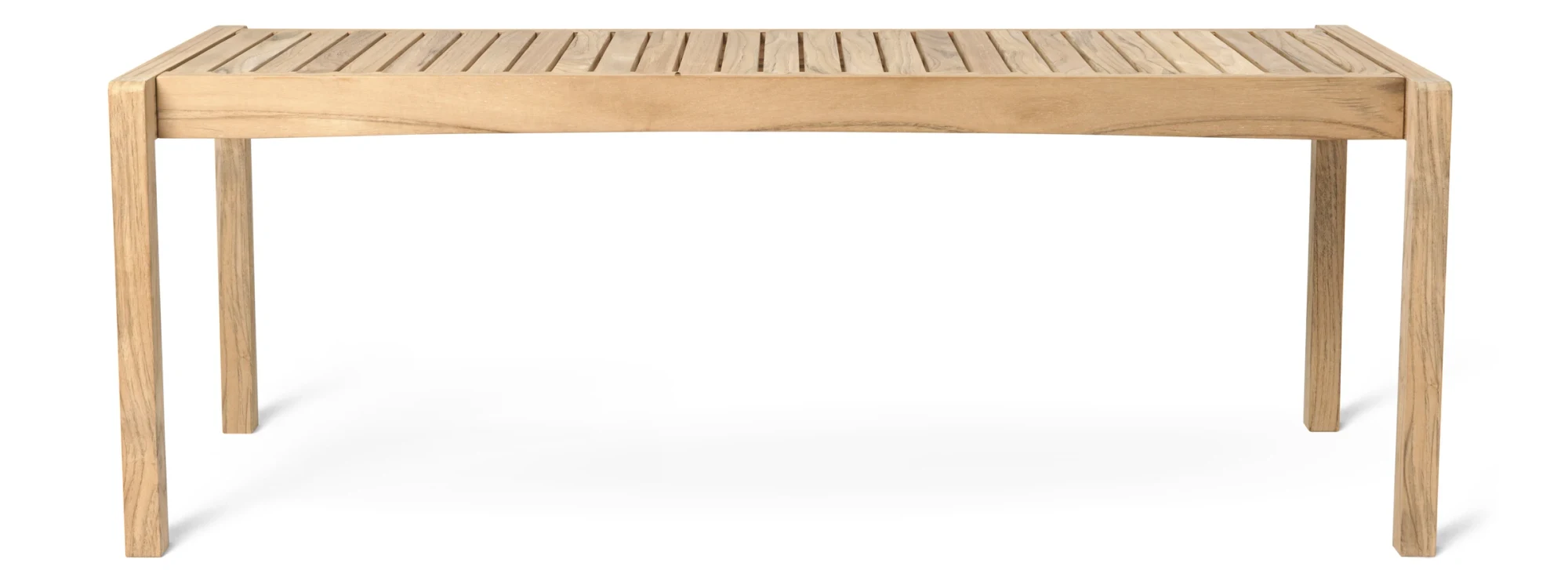
AH912 Outdoor Table Bench
Alfred Homann's 2022 teak bench that also serves as an outdoor counter
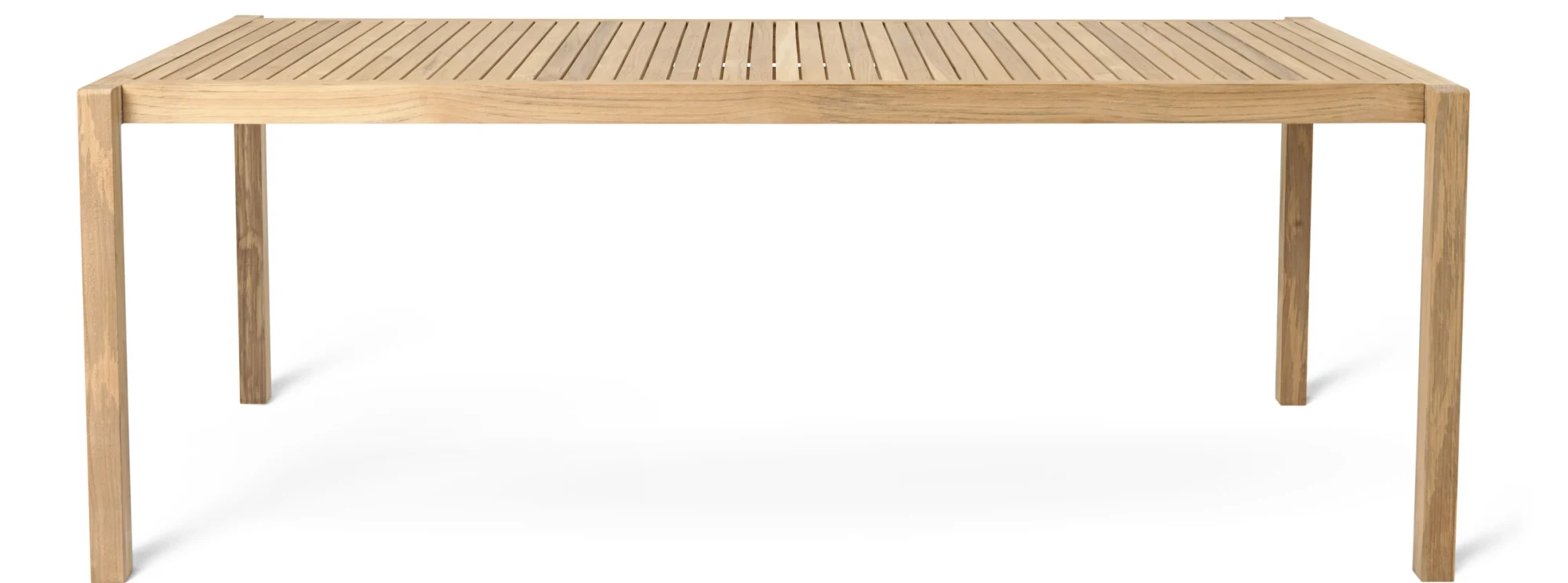
AH901 Outdoor Dining Table
Alfred Homann's 2022 outdoor dining table for up to eight people
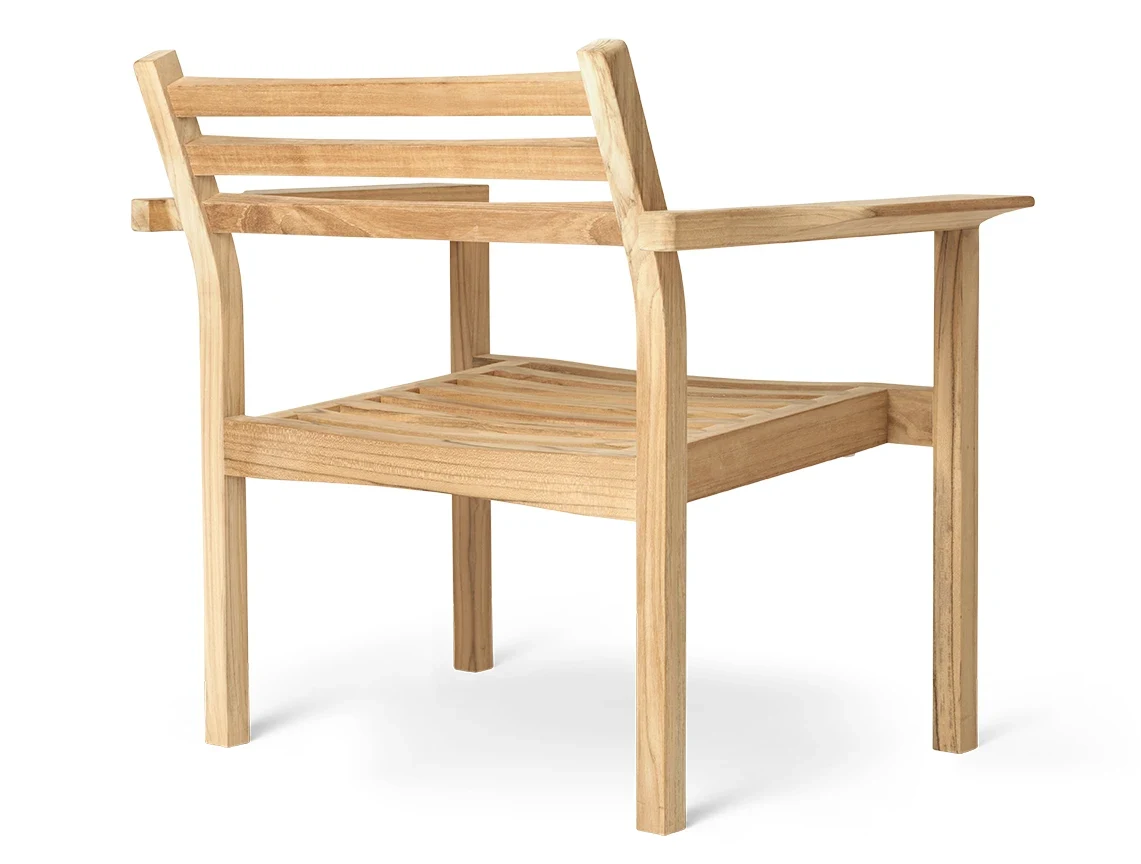
AH601 Outdoor Lounge Chair
Alfred Homann's 2022 stackable outdoor lounge chair in untreated FSC teak, with armrests
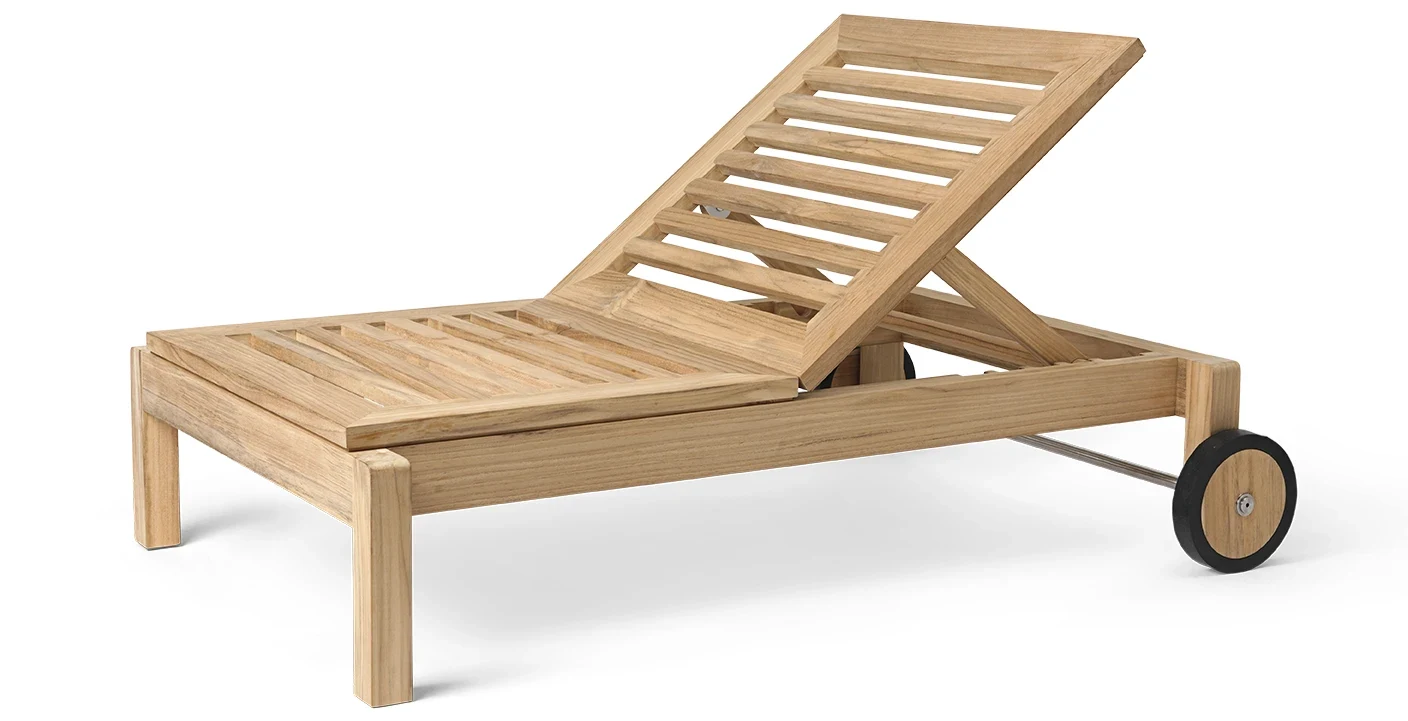
AH604 Outdoor Lounger
Alfred Homann's 2022 outdoor lounger in untreated FSC teak, with a footstool and cushion options