
Jens
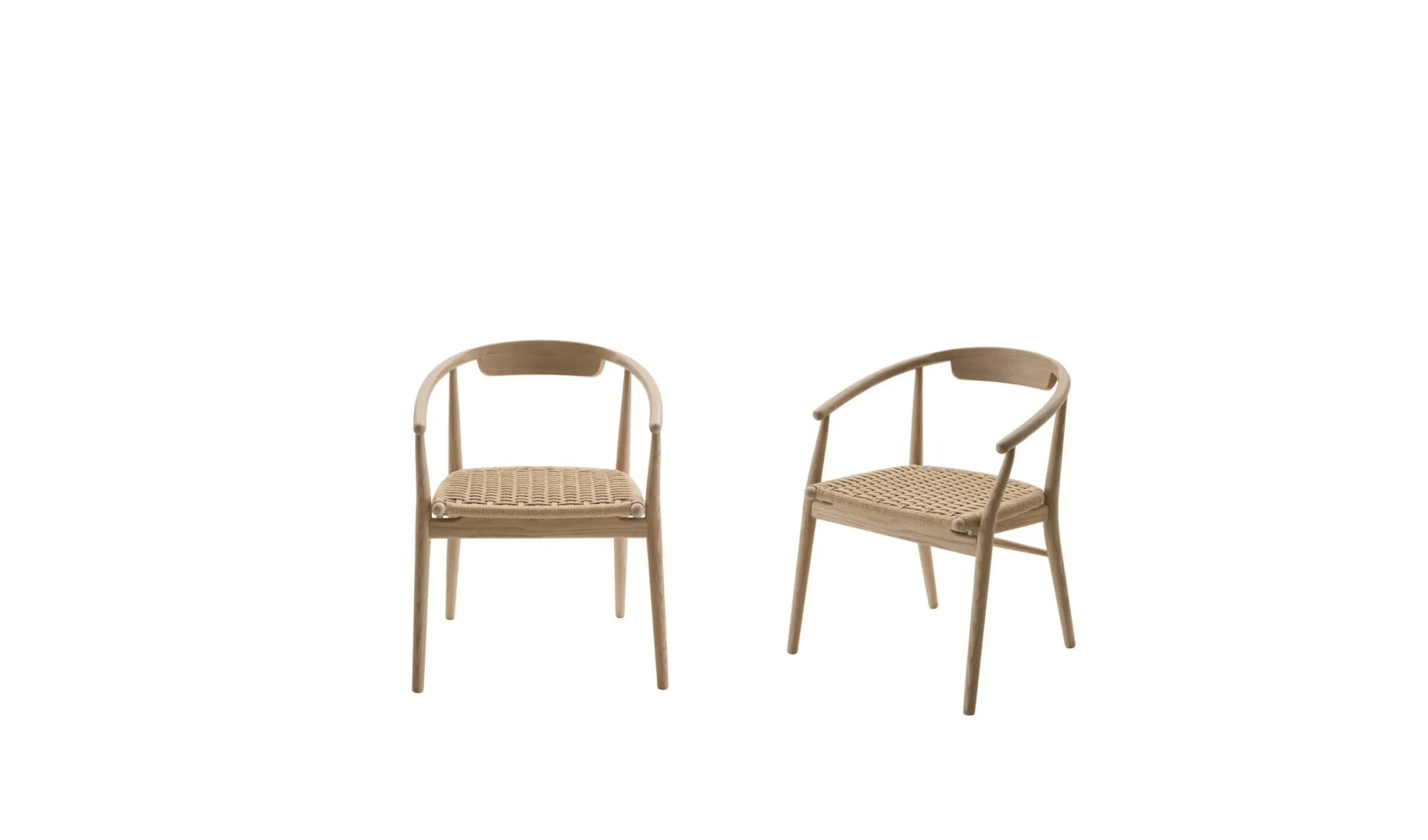
Wood chair with a five-axis frame, in leather or woven cellulose rope seats, by Antonio Citterio


610 × 765 × 565 mm
Source: technical drawing image — SJ61PA chair (cellulose rope seat) — published as W 61 × D 56.5 × H 76.5 cm
2017
Italy
USD 2,307, Jens dining chair, natural cellulose rope interlacing seat, brushed light oak frame, 22 1/4 x 24 x h. 30 1/8 in, B&B Italia official US shop, 2026-10-15
Description
Overview
Jens (2017, Antonio Citterio) is presented by B&B Italia as a collection that takes in chairs with or without armrests and stools. It combines a typical 1950s style with a contemporary reading of classical Chinese chairs.
Construction
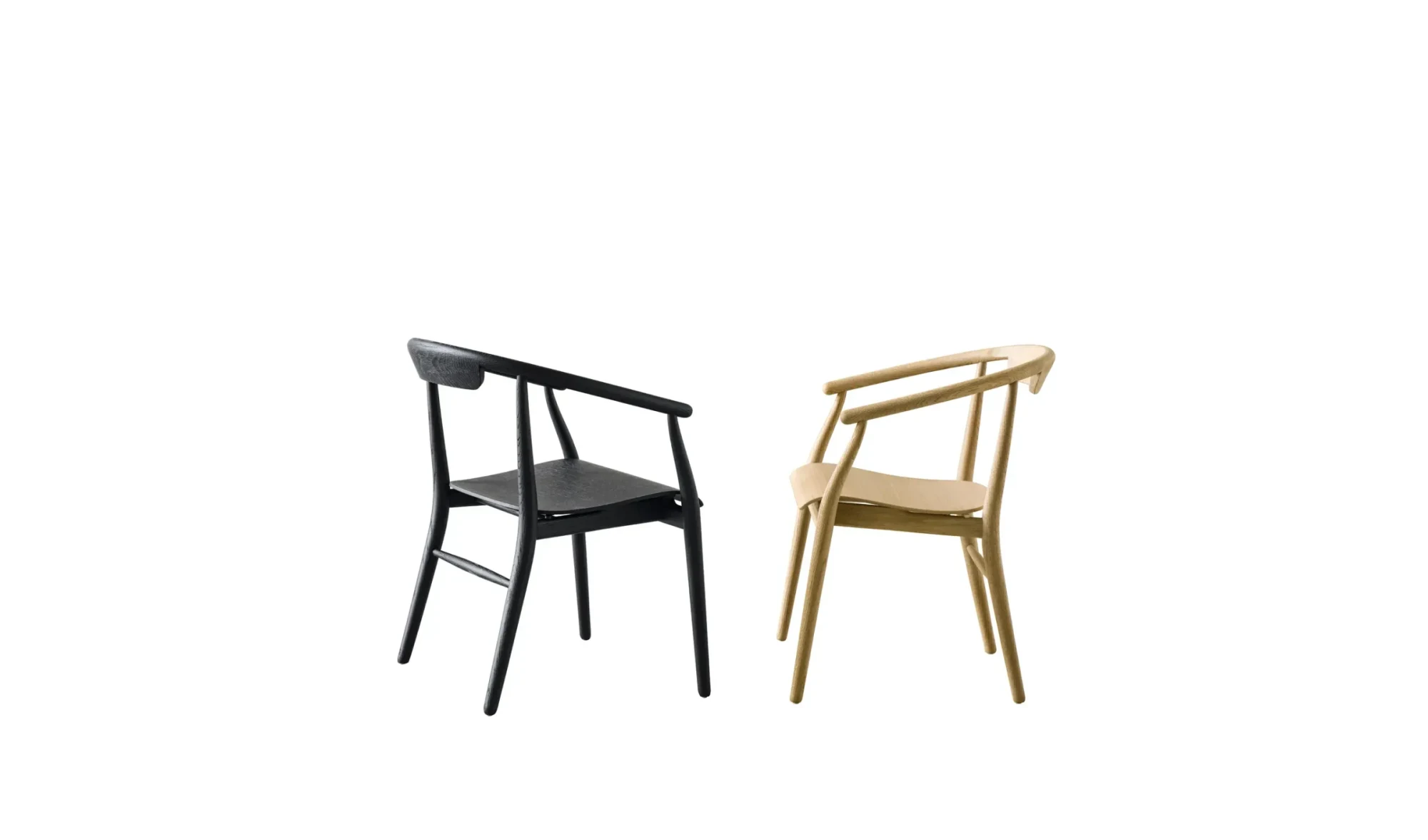
- Frame: solid wood, a five-axis frame in a variety of wood finishes
- Seat: shaped polyurethane and veneered multi-layered wood panel; cellulose rope interlacing on SJ61PA and SJ41PA
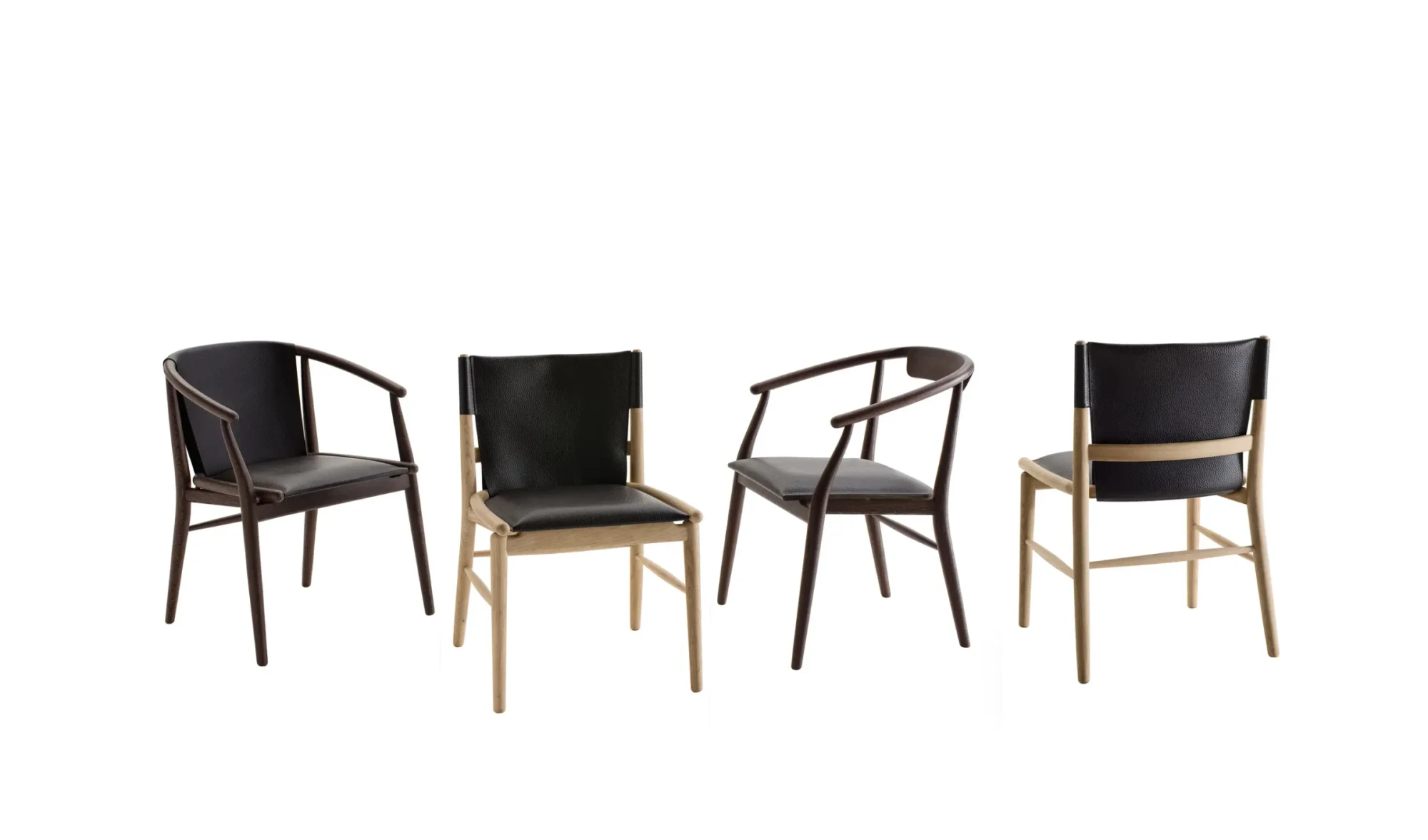
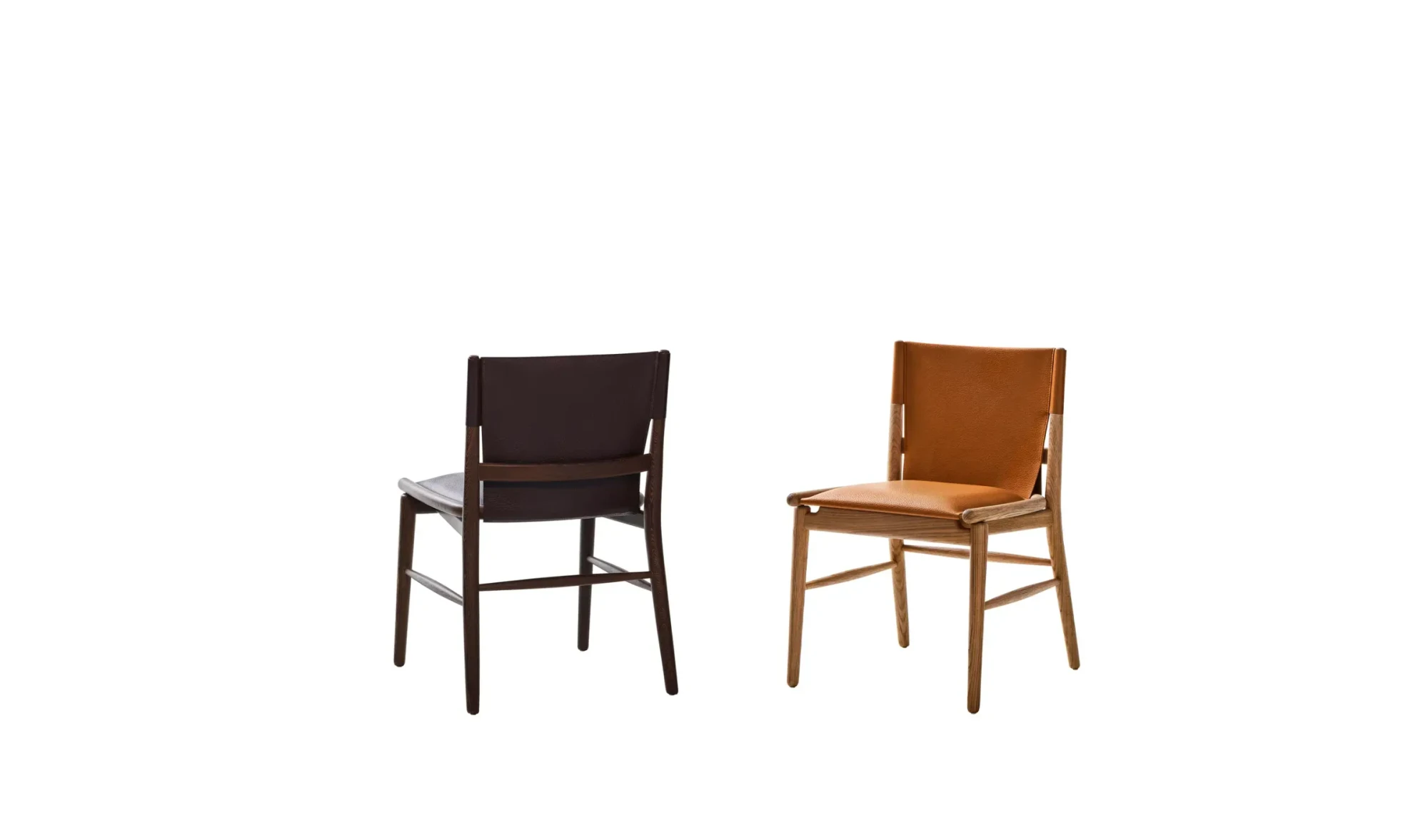
- Cover: thick leather
- Ferrules and reinforcements: plastic material
- Versions: entirely in wood, wooden frame with a leather seat, wooden frame with thick leather seat and back, wooden frame with a seat in woven cellulose rope
Specifications
- SJ61PA: 61 cm (front view) × 56.5 cm (side view); height 76.5 cm (labelled h. on the US shop item)
Story
A memory chair
Citterio describes the chair as "A memory chair that takes you back to the 1950’s, made by numeric control machines." The wooden structure works on five axes and is combined with visible, seamless leather that the structure supports.
Turned and curved wood
The page presents the result as a rediscovery of the craft of turned and curved wood, interpreted for numerically controlled machines. Its references run from nineteenth-century Shaker chairs to 1950s chairs and back to memories of the Ming dynasty.
More by Antonio Citterio
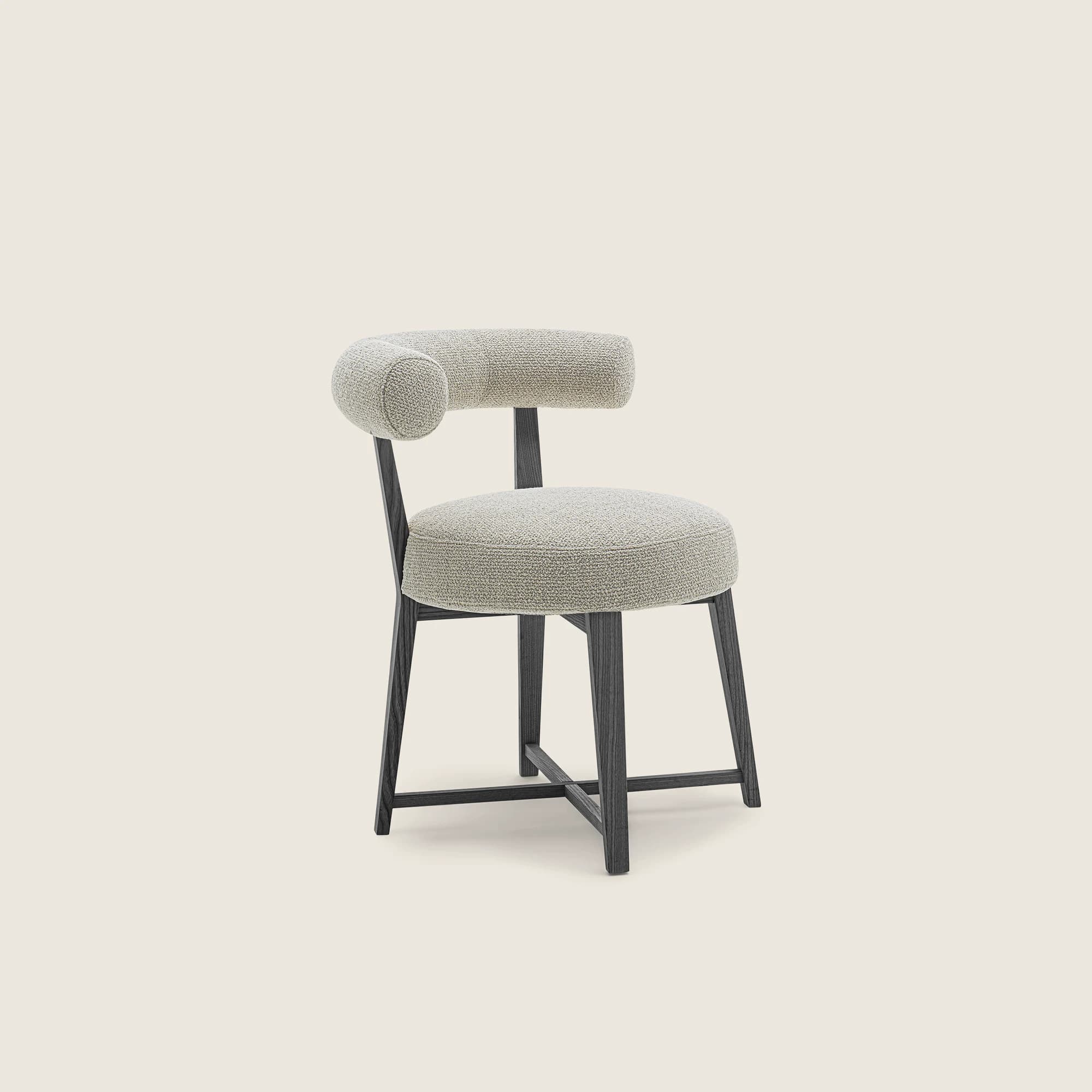
Justine Chair
Antonio Citterio's 2026 Justine dining chair with its official Flexform construction
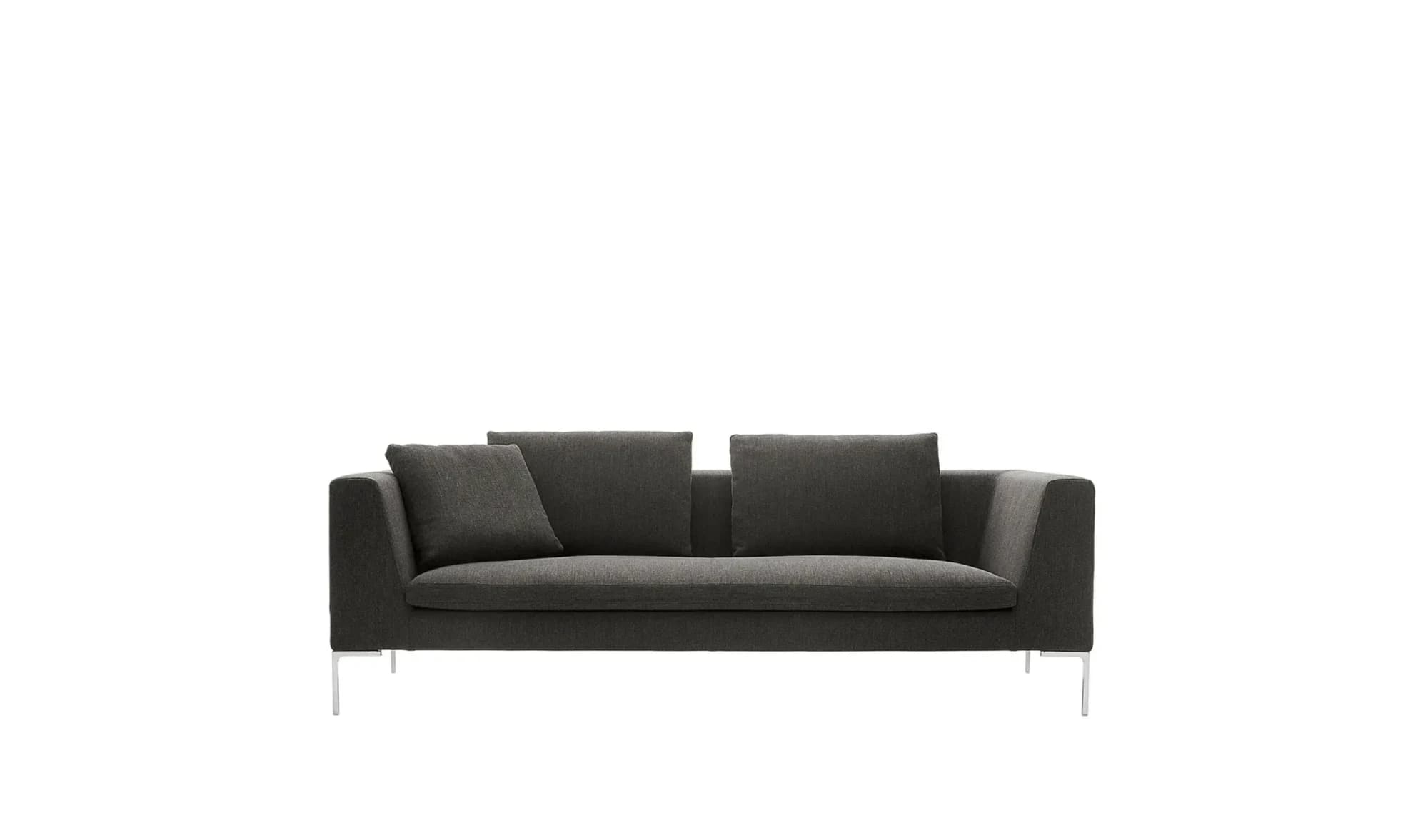
Charles Sofa
Modular sofa system on die-cast aluminium feet shaped as an inverted L
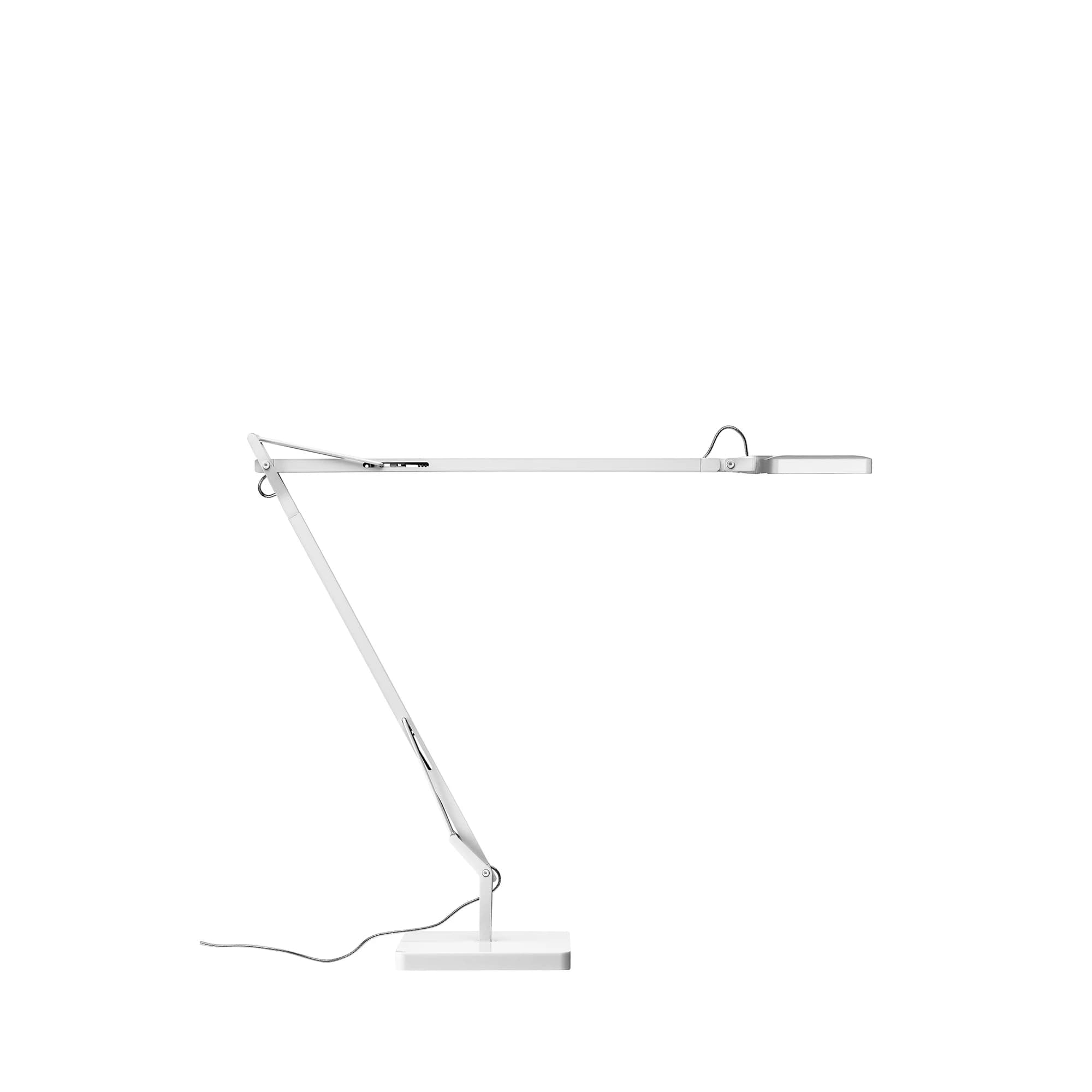
Kelvin LED Base
Flos's original Kelvin LED angle-poise table lamp with optical dimming and energy-saving Green Mode.
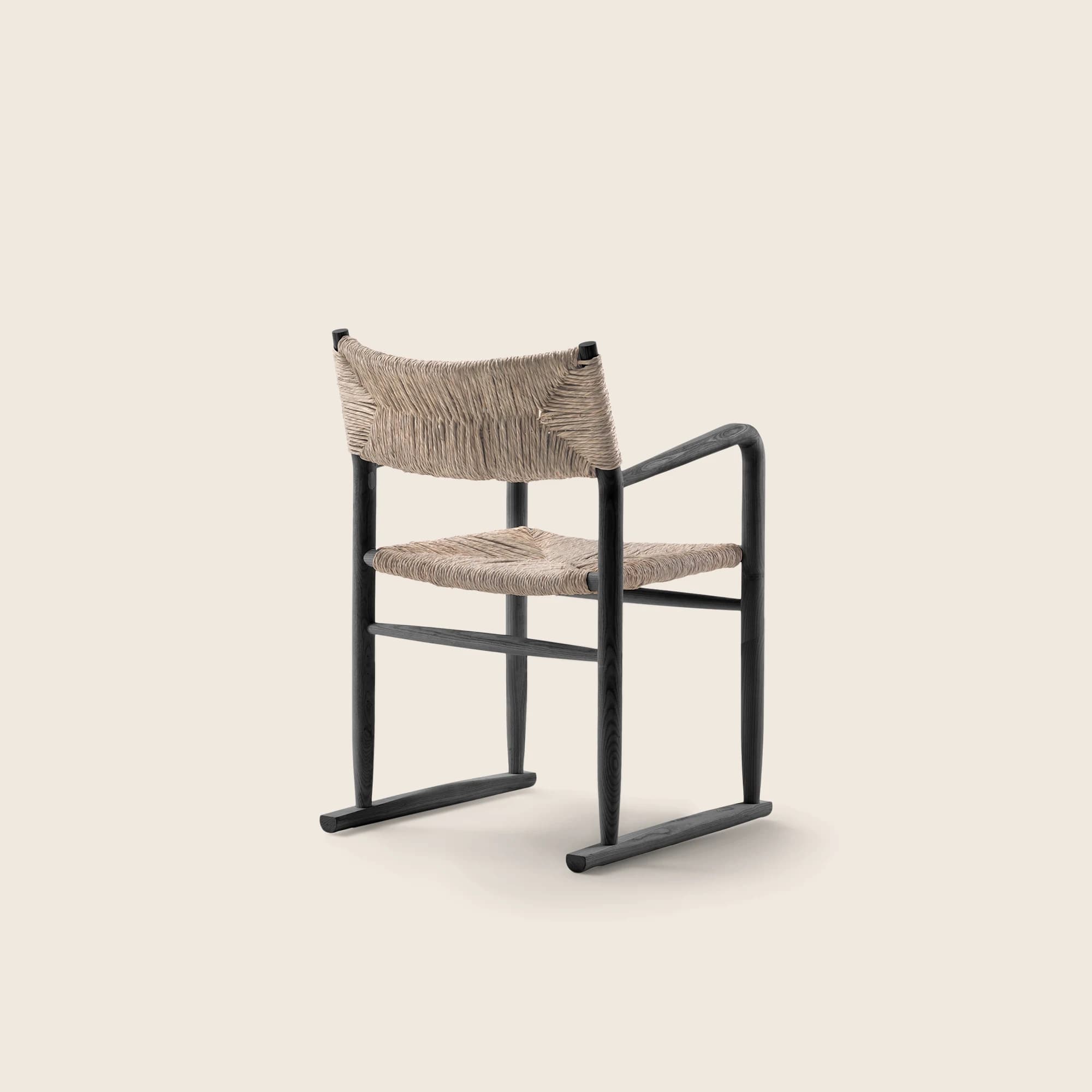
Kim / Kim S.H. Chair
Antonio Citterio's 2025 Kim / Kim S.H. dining chair with its official Flexform construction