
Image source: Living Divani — Hinge Stool
© Living Divani and the respective rights holders. Quoted to accompany INTEBEE's independent design commentary and research.
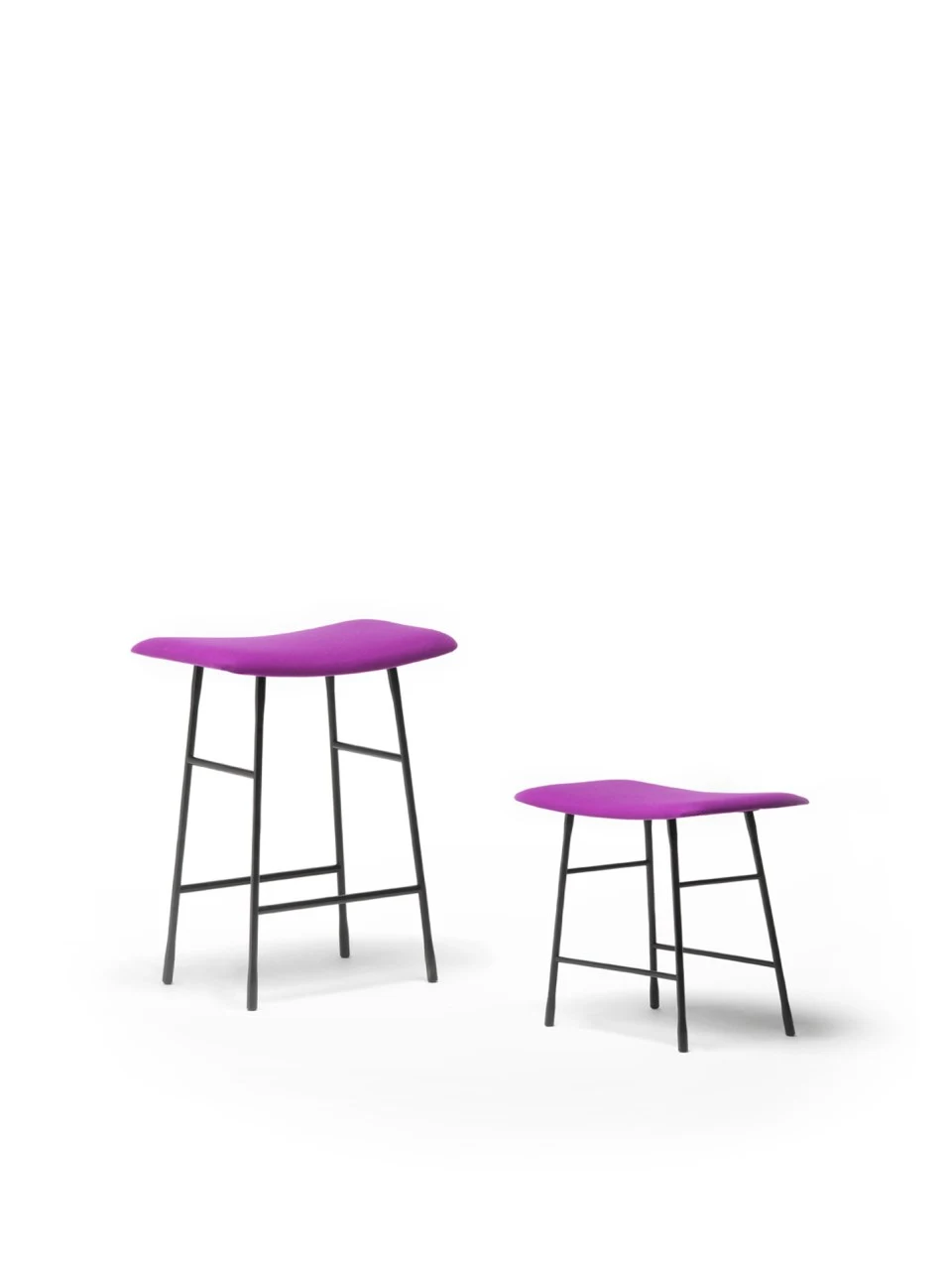
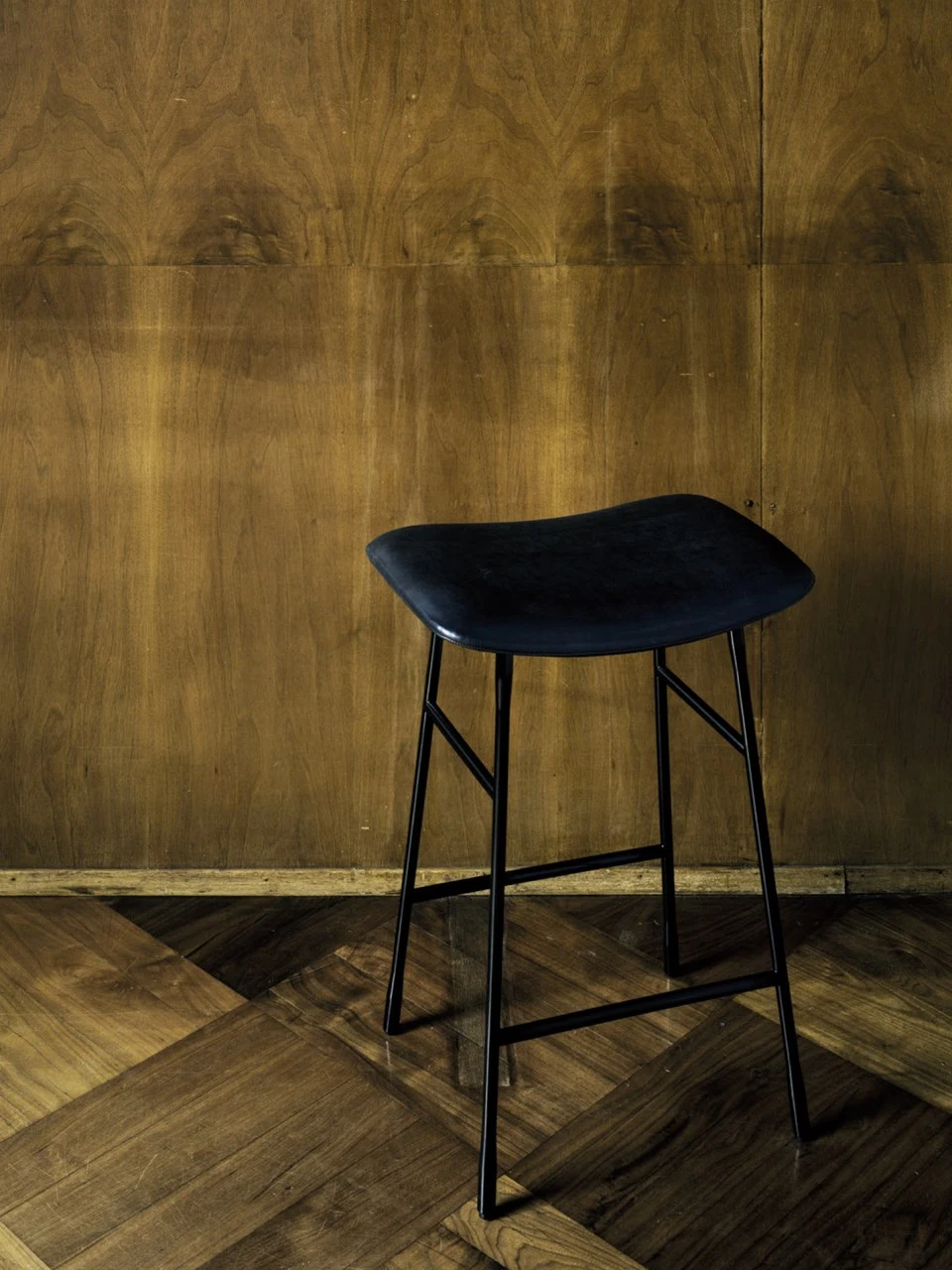
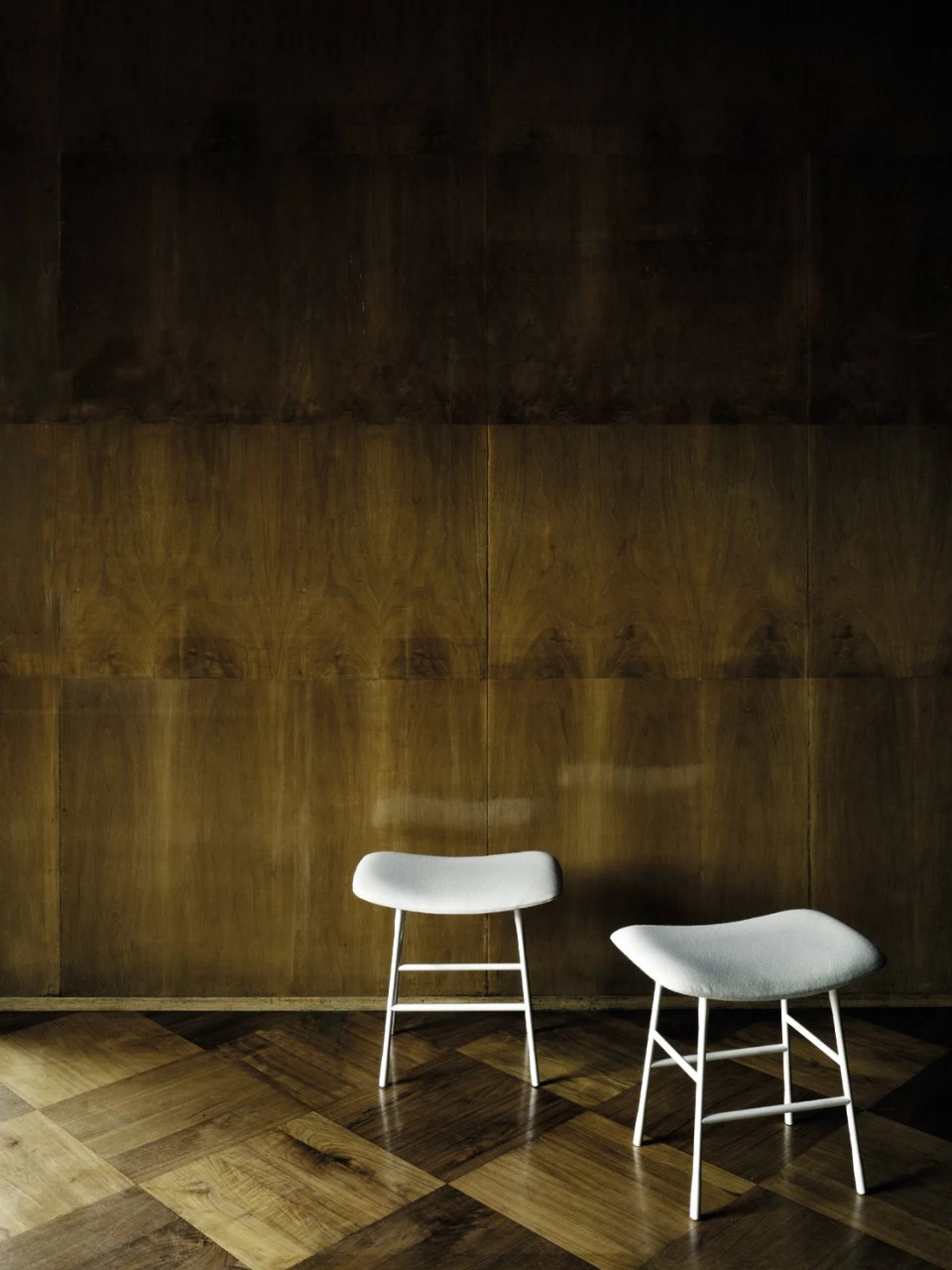
Hinge Stool
Hinge Stool by Francesco Rota: a stool on a turned steel base with a curved, padded seat.


490 × 350 mm
2012
Official product information
INTEBEE AI PUBLIC LIBRARY is an independent furniture design research and discovery platform. Product specifications, finishes, availability and other details may change. For current and definitive information, please refer to the manufacturer's official website.
Go to the official product pageSpecifying Hinge Stool for your design project?
INTEBEE is the FF&E specification platform for interior designers: spec sheets, finishes, floor plans and client-ready PDFs in one place.
Description
Overview
Hinge Stool is a stool designed by Francesco Rota in 2012. Its character is one of discreet elegance and comfort, and it has a metal base under a curved upholstered seat.
Construction
Turned steel forms the base, finished with epoxy polyester powder coating, while a frame of curved poplar plywood shapes the seat. Polyurethane foam padding is wrapped in a resinated, needle-punched non-woven polyester fibre, which is bonded to a polyurethane velveteen backing. The seat covering, in fabric or leather, is removable in full once the seat is unscrewed from the structure, and adjustable plastic glides sit under the base.
Specifications
W x D: 49 x 35 cm.
Story
Discreet elegance and comfort
Francesco Rota designed Hinge Stool in 2012. The stool combines discreet elegance with comfort, with a steel base under a curved, padded seat.
Seat and base in detail
A curved poplar plywood frame carries the seat, which has polyurethane foam padding in a resinated, needle-punched polyester fibre and a polyurethane velveteen backing. The upholstery is fabric or leather, and both can be removed fully after the seat is unscrewed from the structure. Below, the turned steel base carries a powder coat of epoxy polyester and rests on adjustable plastic glides.