
Image source: Carl Hansen & Søn — FK64 Scimitar Chair
© Carl Hansen & Søn and the respective rights holders. Quoted to accompany INTEBEE's independent design commentary and research.
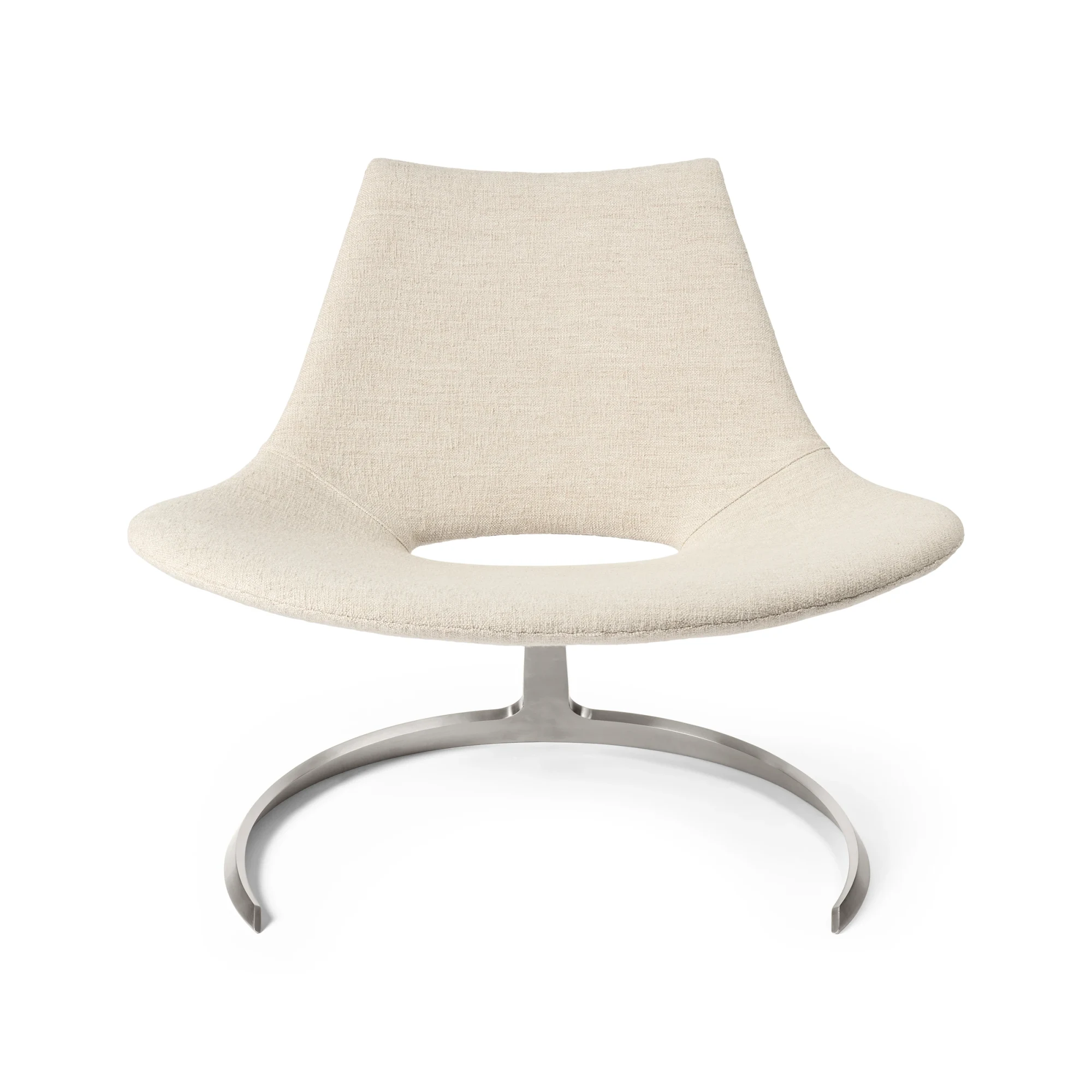
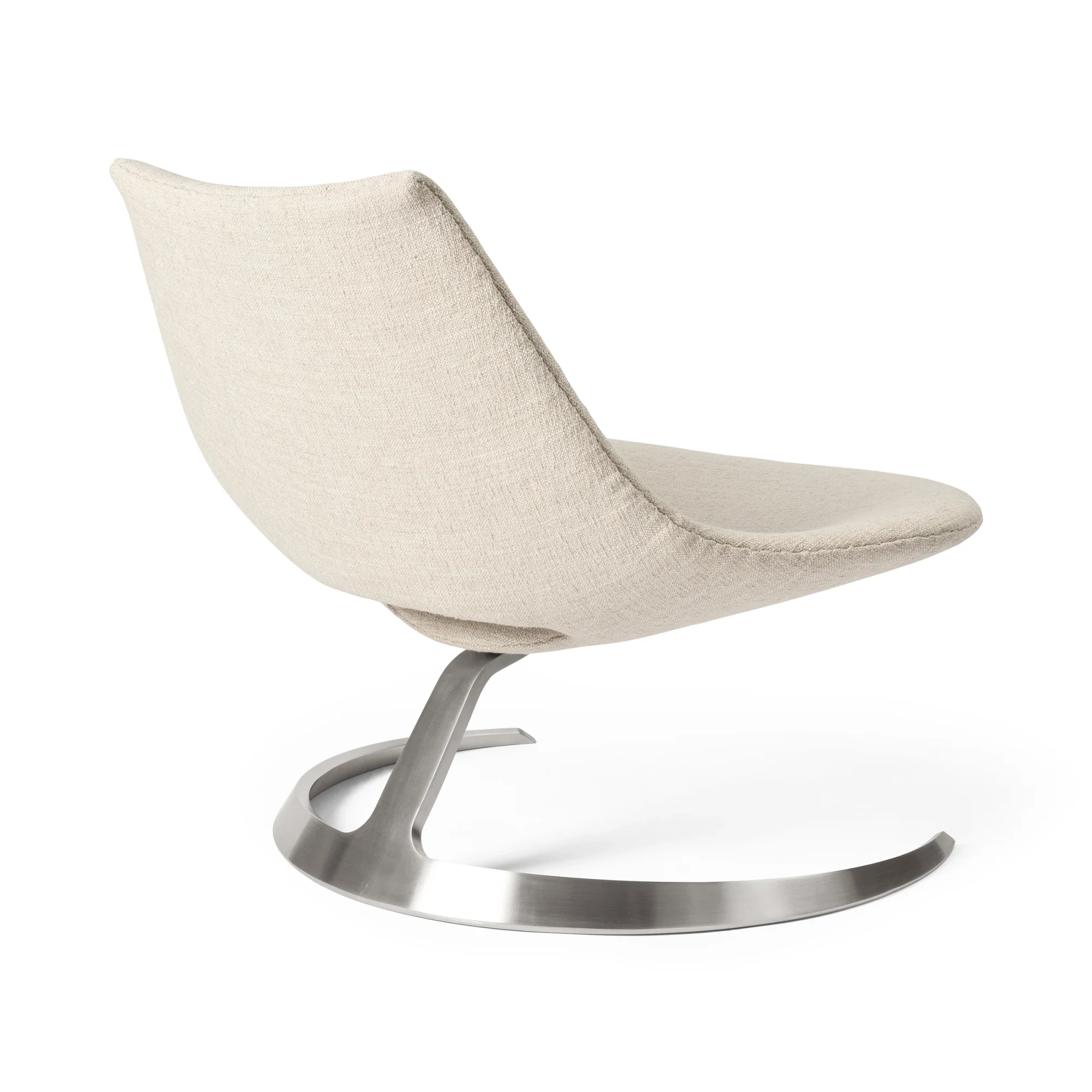
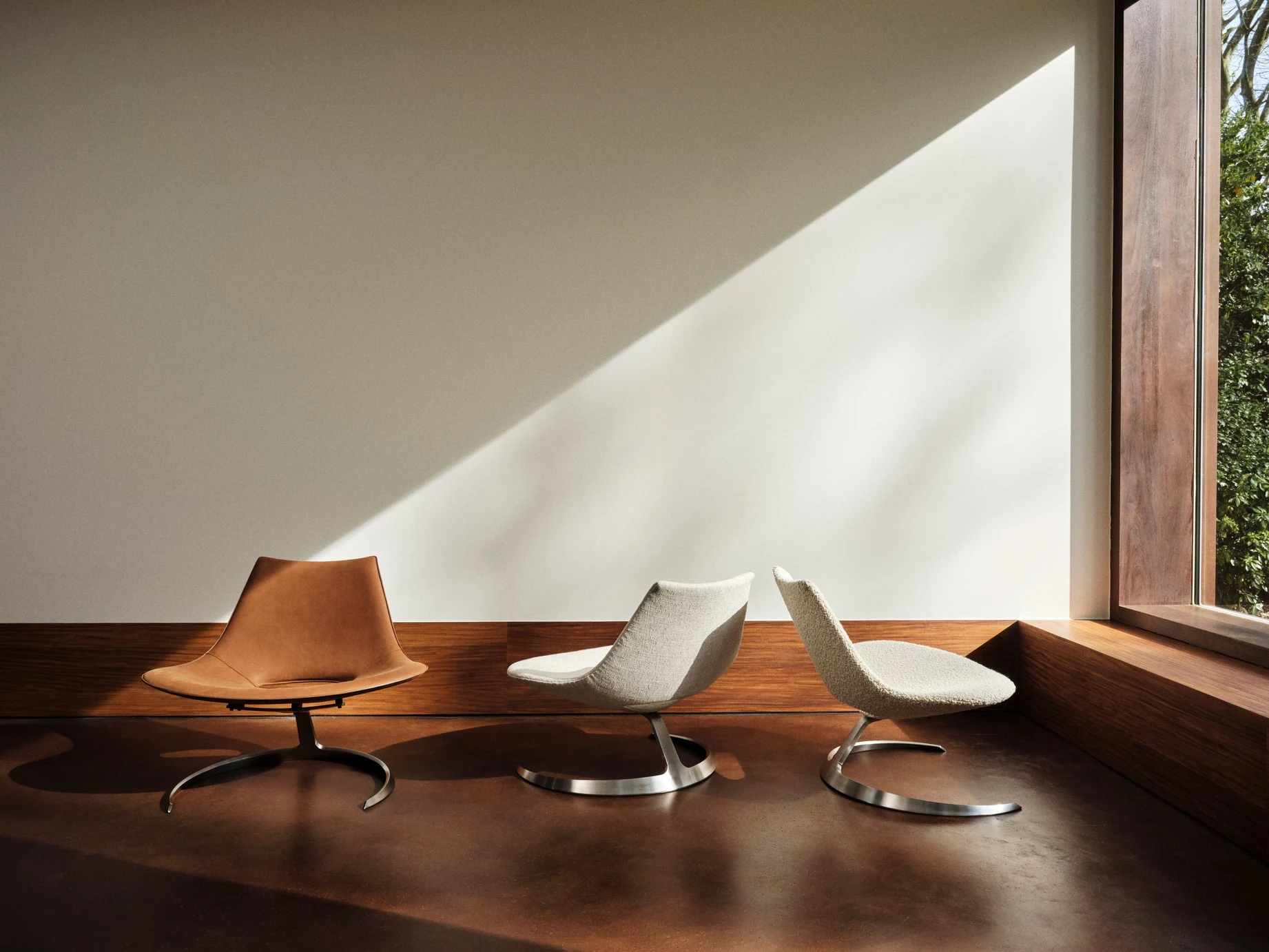
FK64 Scimitar Chair
Fabricius and Kastholm's FK64 Scimitar Chair of 1963, on a stainless-steel crescent base

1963
Approx. $4,500 (reference price; varies by region and retailer)
Official product information
INTEBEE AI PUBLIC LIBRARY is an independent furniture design research and discovery platform. Product specifications, finishes, availability and other details may change. For current and definitive information, please refer to the manufacturer's official website.
Go to the official product pageSpecifying FK64 Scimitar Chair for your design project?
INTEBEE is the FF&E specification platform for interior designers: spec sheets, finishes, floor plans and client-ready PDFs in one place.
Description
Overview
The FK64 Scimitar Chair was designed in 1963 by Preben Fabricius and Jørgen Kastholm. Carl Hansen & Søn calls it an icon of Danish steel modernism.
Construction
- Base: stainless-steel crescent
- Seat: sculpted veneer shell, upholstered in leather or textile
- Upholstery in the default version: Antoni 813
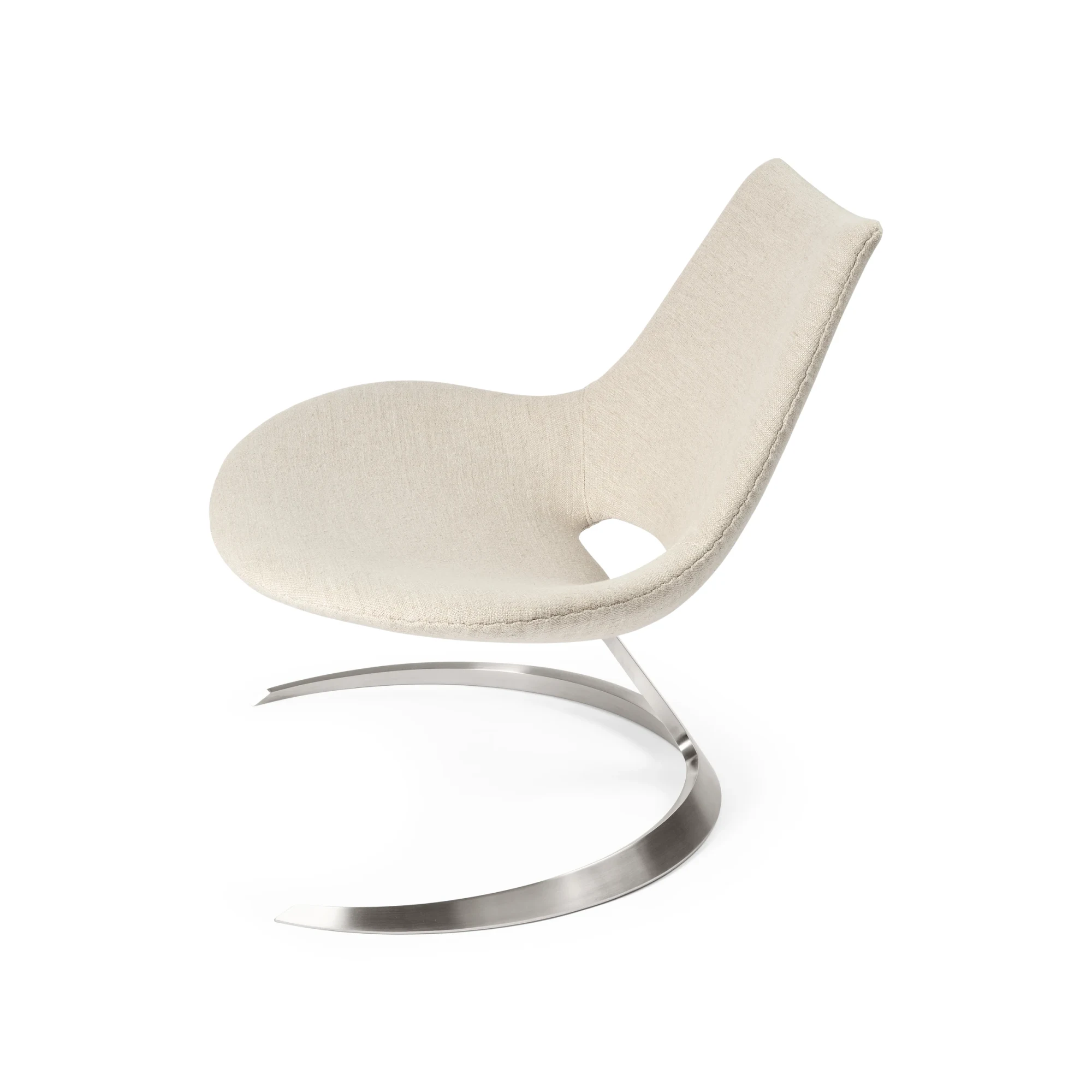 Image source: Carl Hansen & Søn — FK64 Scimitar Chair · © Carl Hansen & Søn and the respective rights holders. Quoted to accompany INTEBEE's independent design commentary and research. · View official product page ↗ · Image use & copyright policy
Specifications
- Designed: 1963
- Certification: FSC-certified wood and other controlled materials
Story
From Lebanon to Copenhagen
The page says Jørgen Kastholm drew on his time in Lebanon for the early versions, observing how people sat close to the ground on rugs, and sketched a wide seat for a crossed-leg posture. Back in Denmark he refined the design with Preben Fabricius into a softly contoured seat made of precisely curved veneer.
The name and the first showing
The chair is named after the curved blade of a scimitar sword. It was first presented at the Cabinetmakers' Autumn Exhibition in Copenhagen in 1963.
More by Fabricius & Kastholm
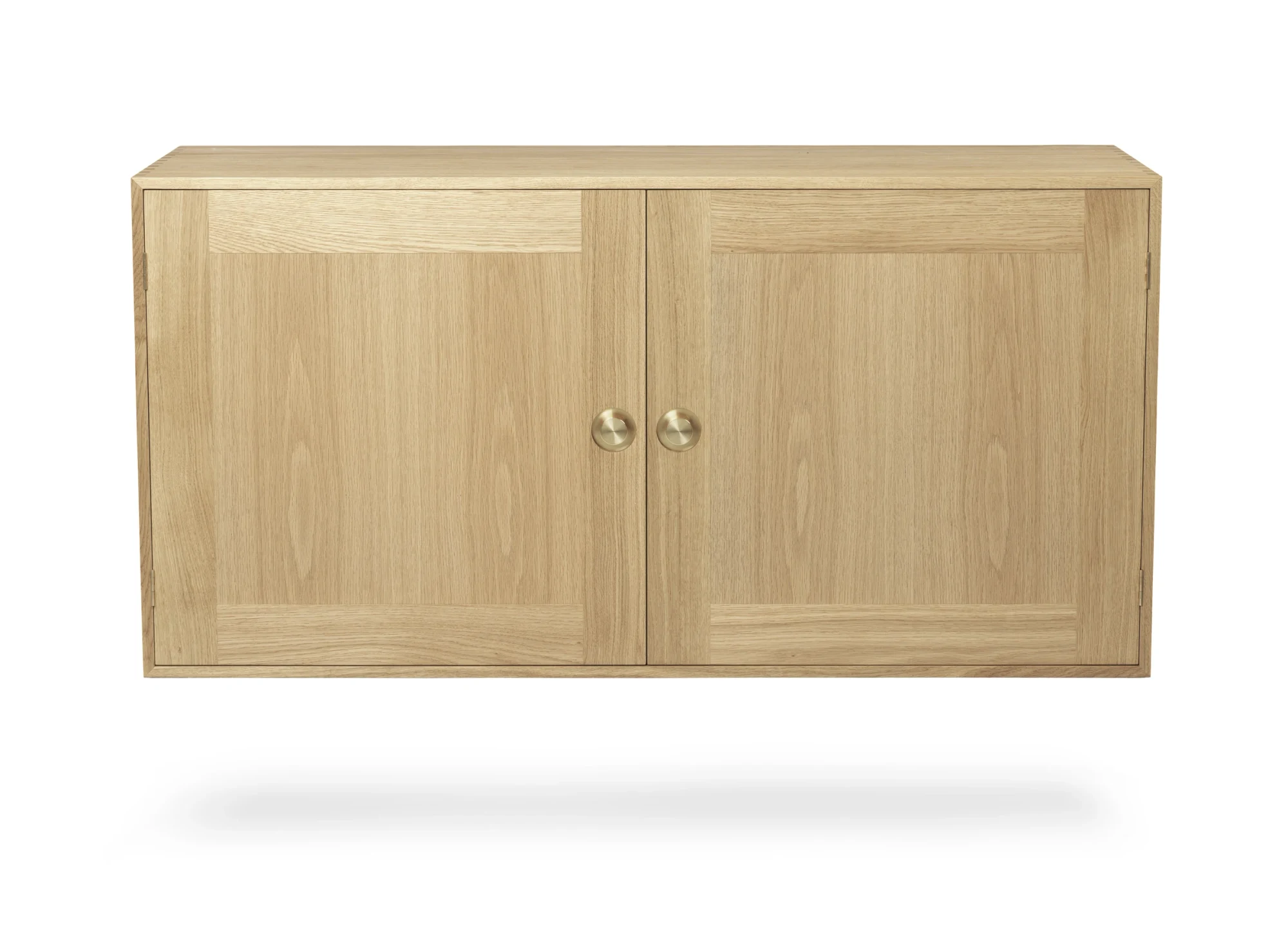
FK63 Cabinet
FK63 Cabinet, a two-door module of Fabricius and Kastholm's 1963 bookcase system
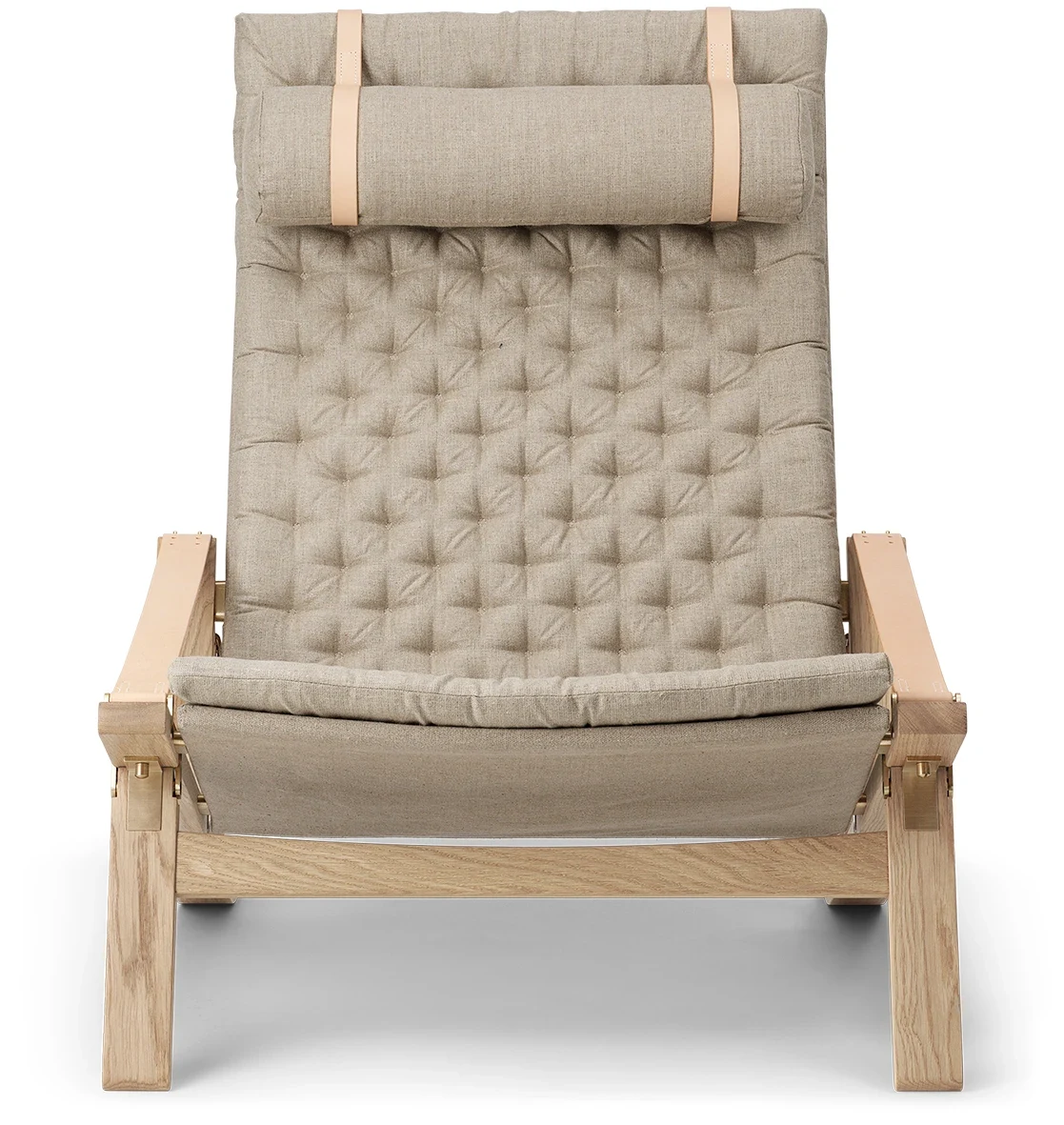
FK10 Plico Chair
Fabricius and Kastholm's foldable FK10 Plico Chair with visible joints
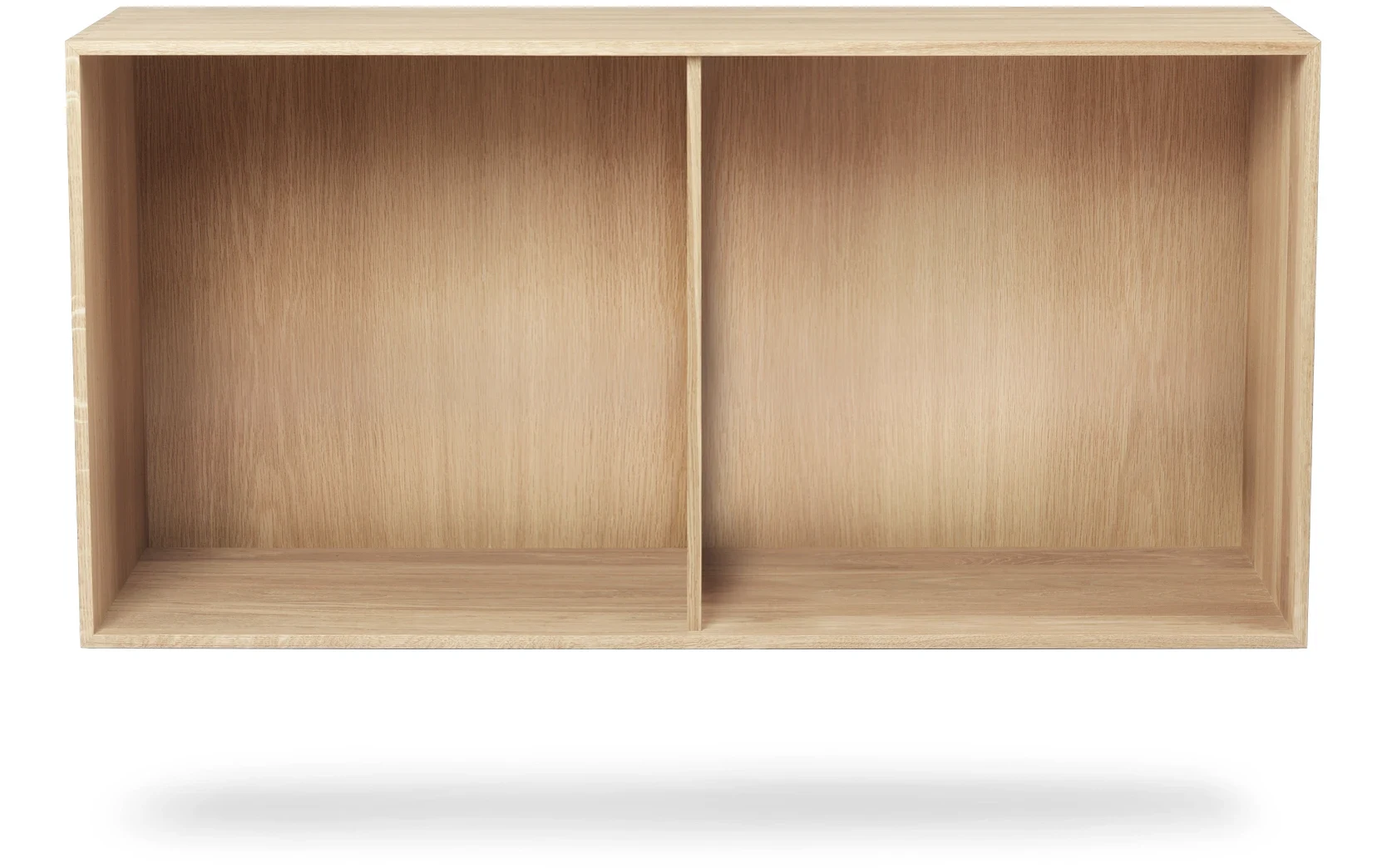
FK63 Deep Bookcase
FK63 Deep Bookcase, an open oak module of the Fabricius and Kastholm system