
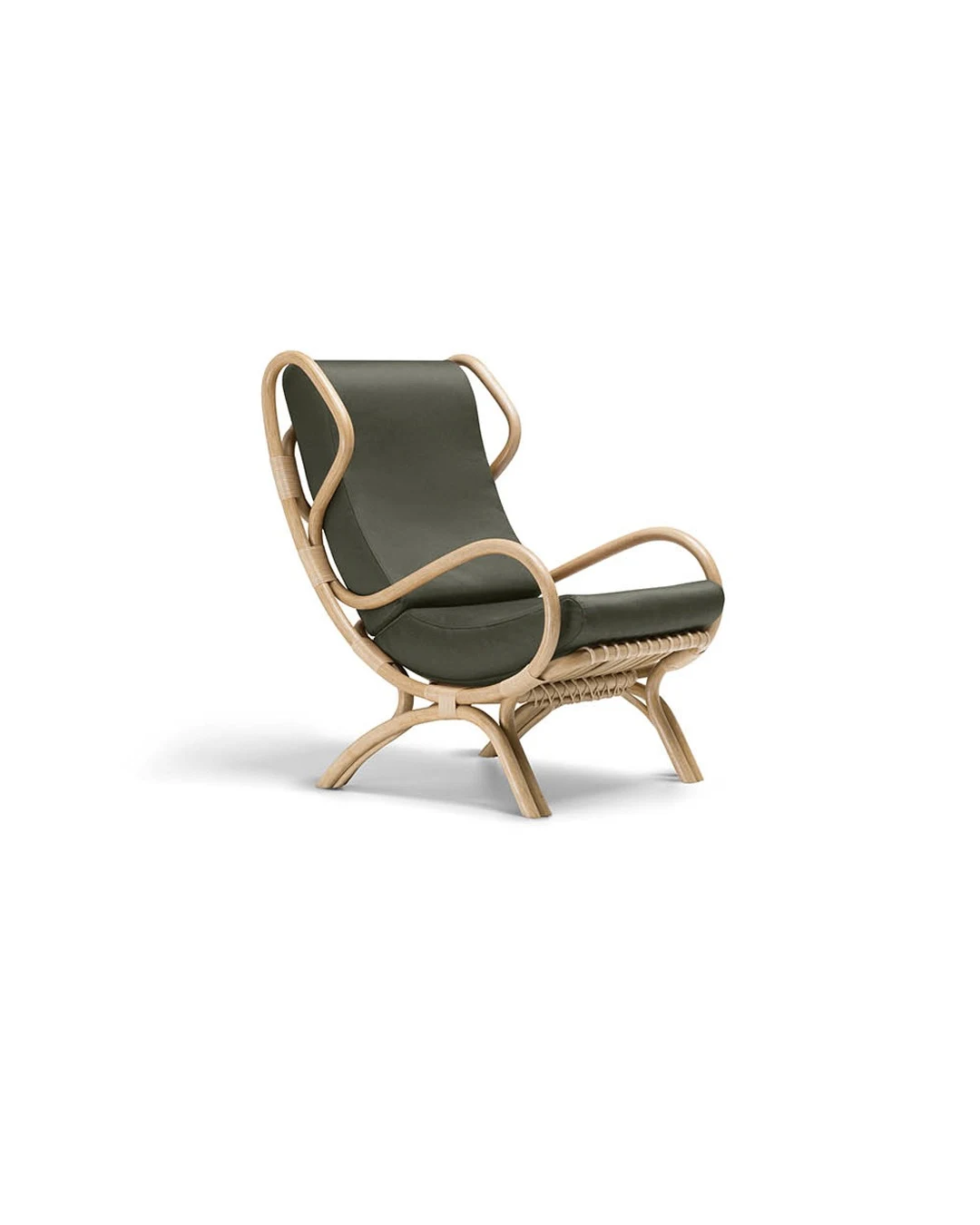
Continuum D.163.7
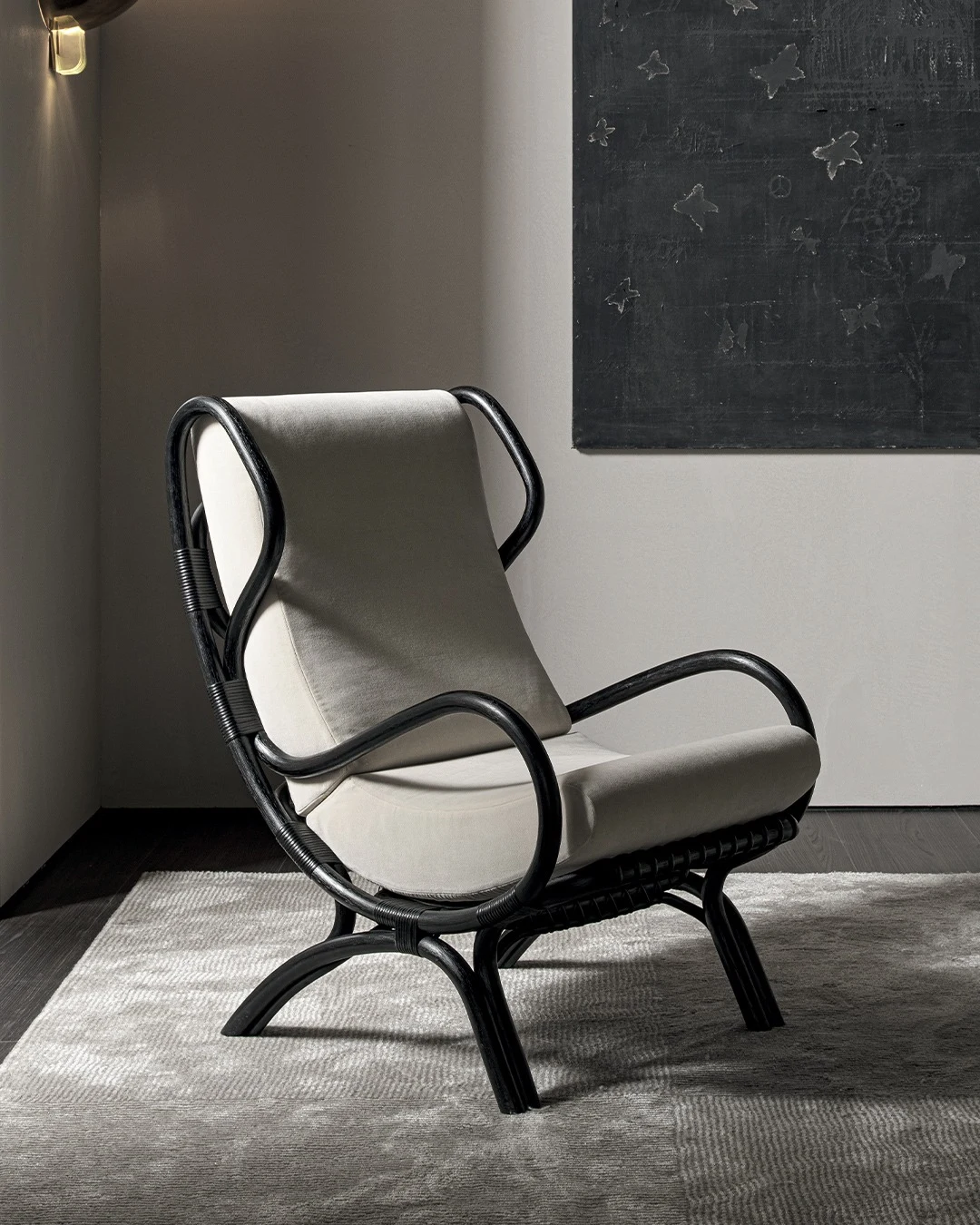
Gio Ponti's 1963 rattan armchair, hand-curved and made in Italy with Bonacina 1889.


630 × 1020 × 950 mm
Source: spec sheet PDF — D.163.7 armchair — published as W 63 × D 95 × H 102 cm
1963
Italy
Description
Overview
Continuum D.163.7 is Gio Ponti's armchair of 1963, produced by Molteni&C in collaboration with the Gio Ponti Archives and Bonacina 1889. The page says it draws on bergères created in the early 1950s for hotels and cruise ships; the datasheet adds that it is a permanent fixture in the Triennale Design Museum's collection.
Construction
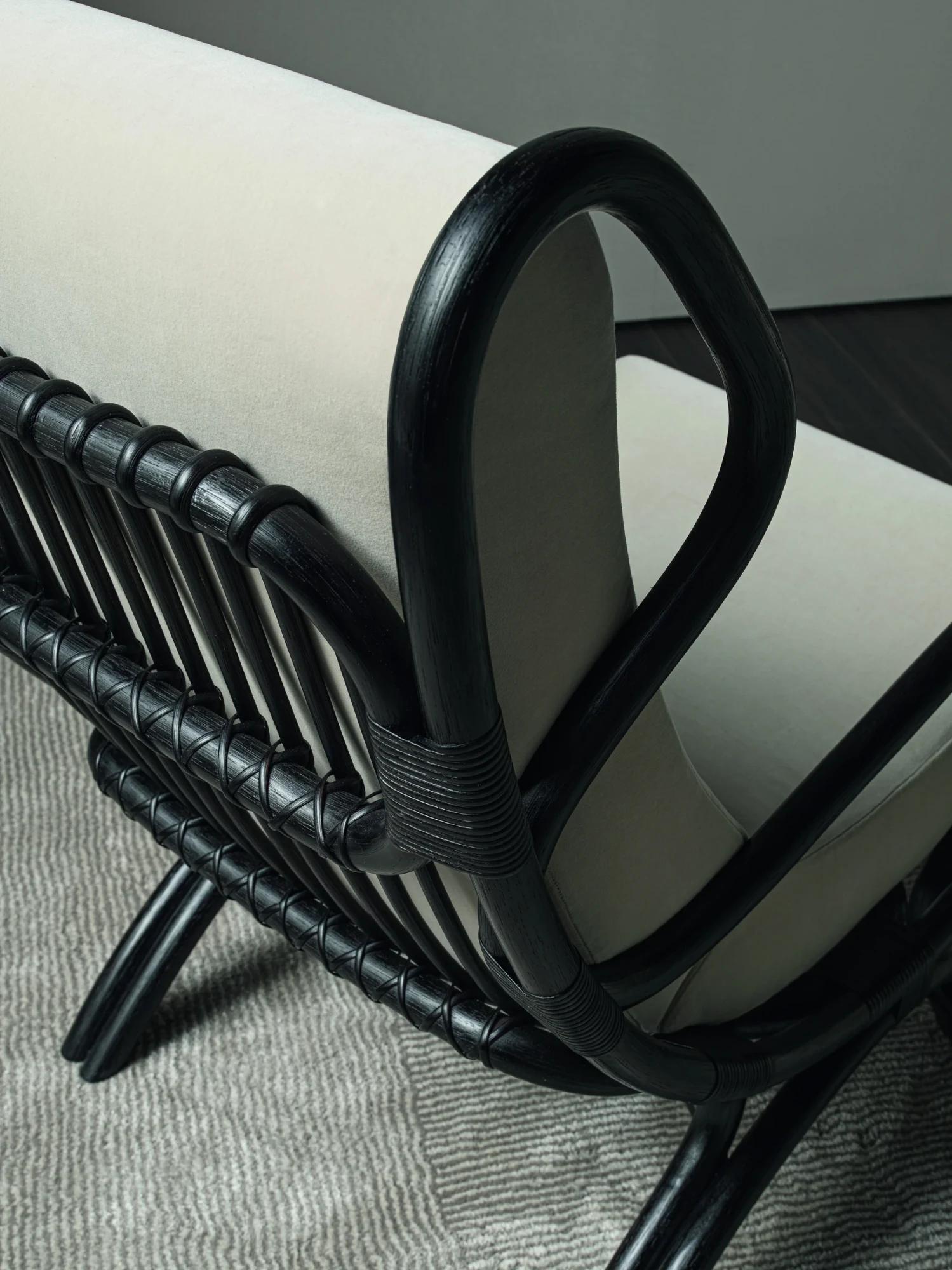
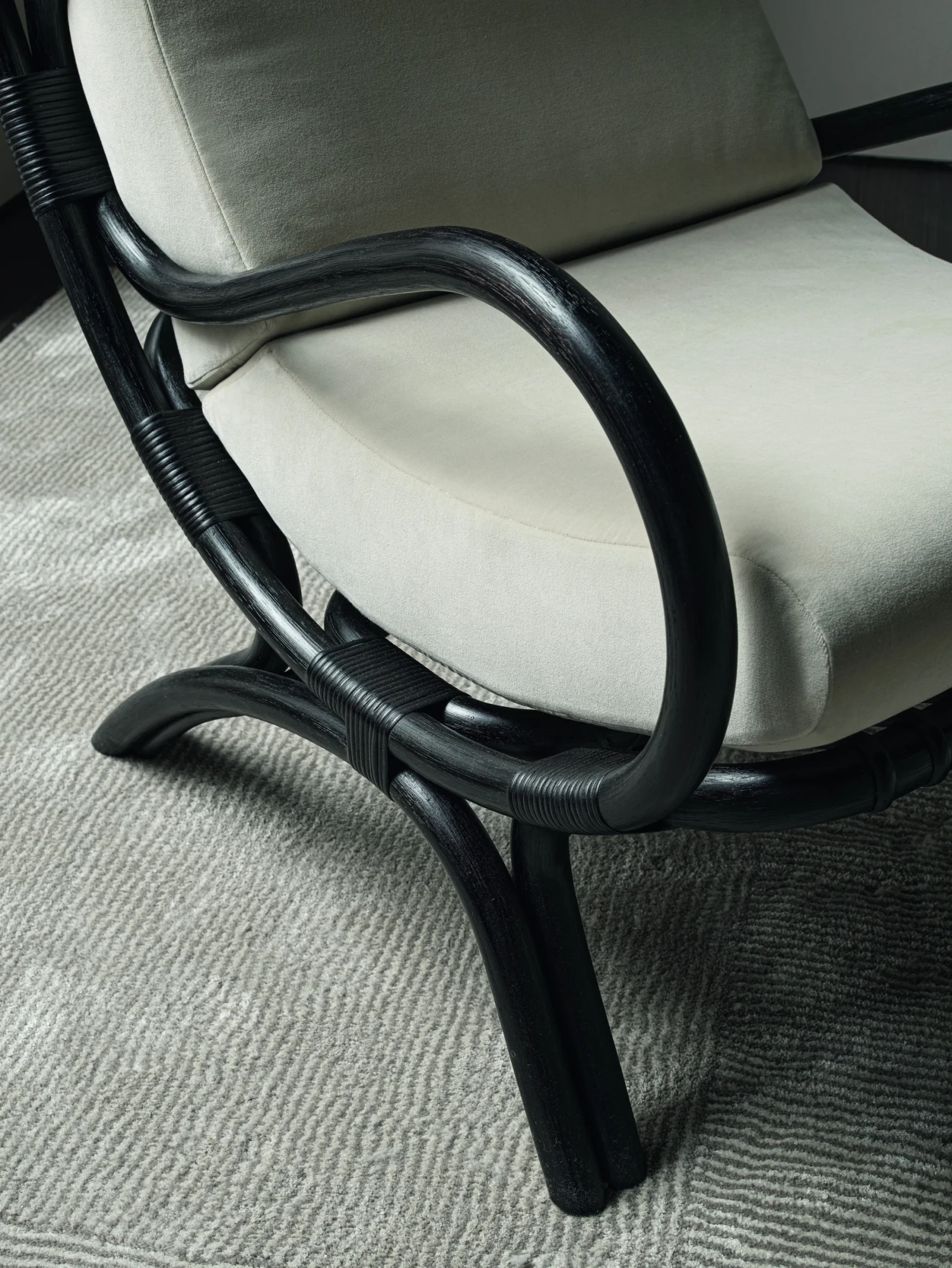
The page says the armchair is crafted entirely in Italy from manao and malacca, rattan-family materials sourced from the equatorial forests of Indonesia, and that each piece demands over 200 hours of craftsmanship. The datasheet gives a structure of manao without bark, hand-curved using steam, with a hand-woven wicker seat and flat wicker binding.
Specifications
- D.163.7 armchair: 63 cm wide and 95 cm deep; the drawing's tallest vertical value is 102 cm, which is not labelled on the drawing
- Structure finishes: aniline-painted or lacquered wicker, in 11 lacquered and 9 aniline colours
Story
From hotels and cruise ships
Molteni&C says Gio Ponti designed Continuum in 1963, drawing inspiration from the bergères he had created in the early 1950s for hotels and cruise ships. According to the datasheet, the armchair is a permanent fixture in the Triennale Design Museum's collection.
A shared project with Bonacina
With this project Molteni&C reaffirms its commitment to preserving Ponti's legacy, working with the Gio Ponti Archives, whom the page calls guardians of the furniture's authenticity. Bonacina, which the page presents as a symbol of Italian excellence since 1889, collaborates on the chair and guarantees high quality standards in raw materials and expert craftsmanship, in line with the sustainability policy that both companies follow.
More by Gio Ponti
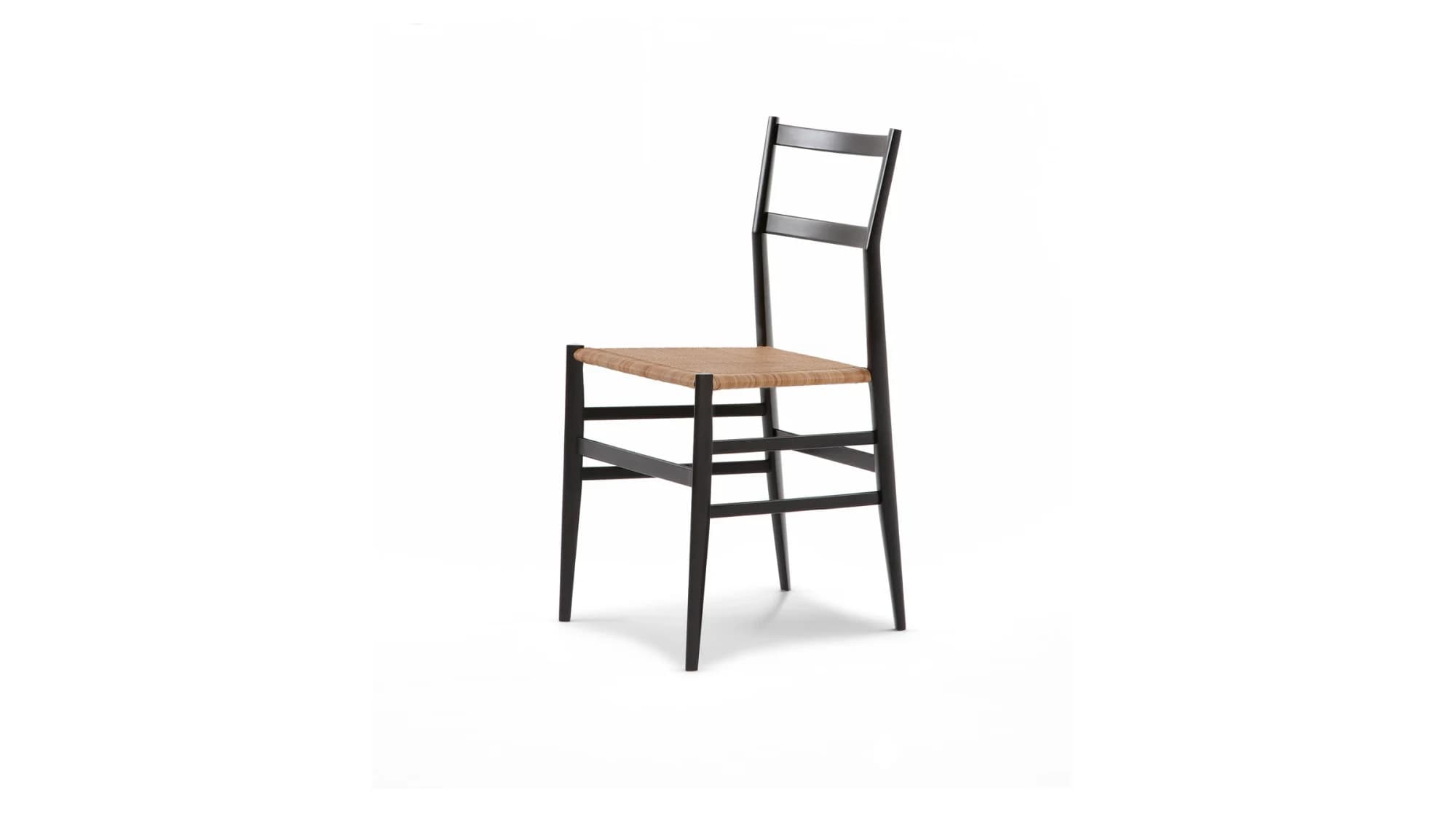
699 Superleggera
Gio Ponti's 1957 ash chair with 18 mm triangular legs and a hand-woven or upholstered seat.
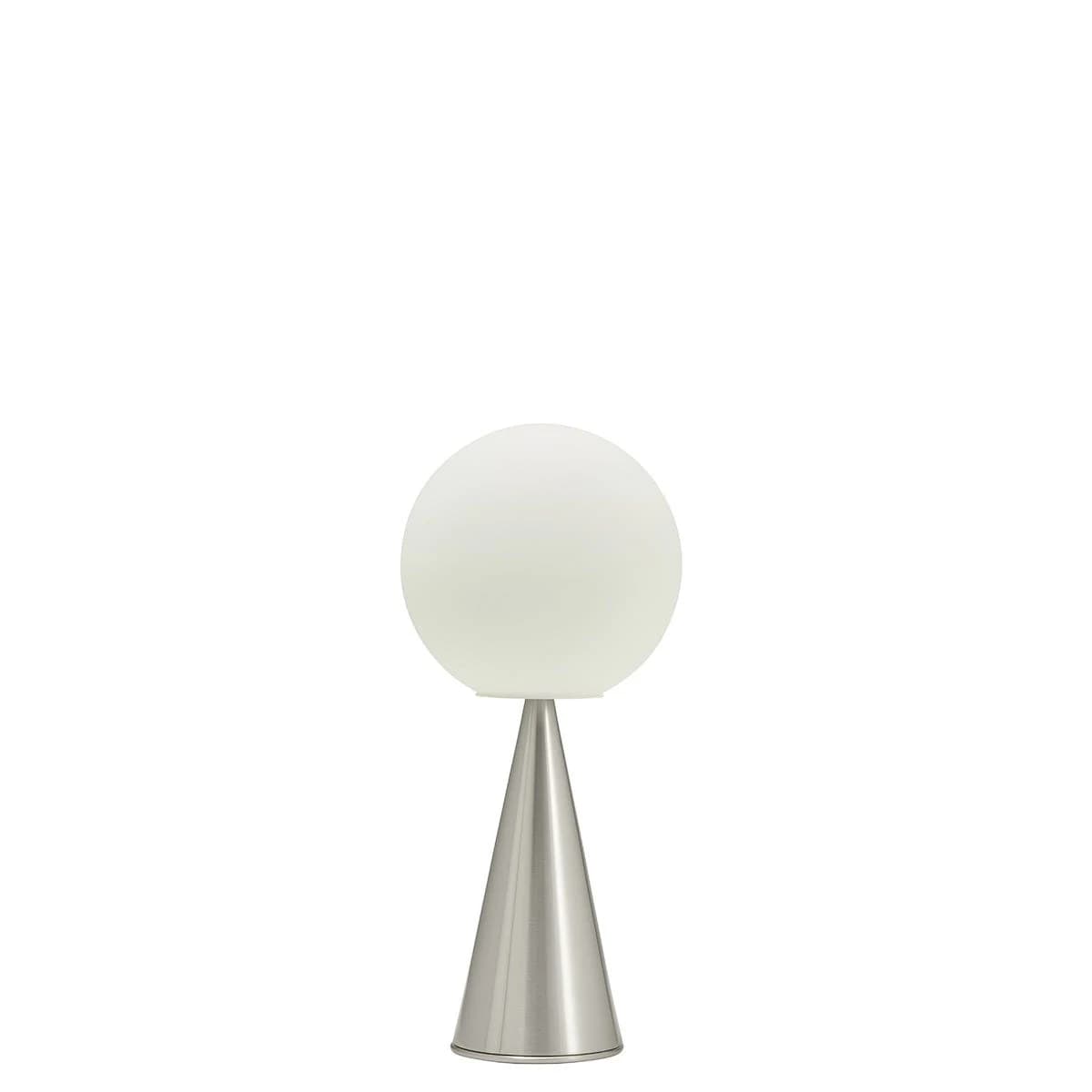
Bilia
Gio Ponti's 1932 table lamp: a frosted glass sphere balanced on a metal cone.
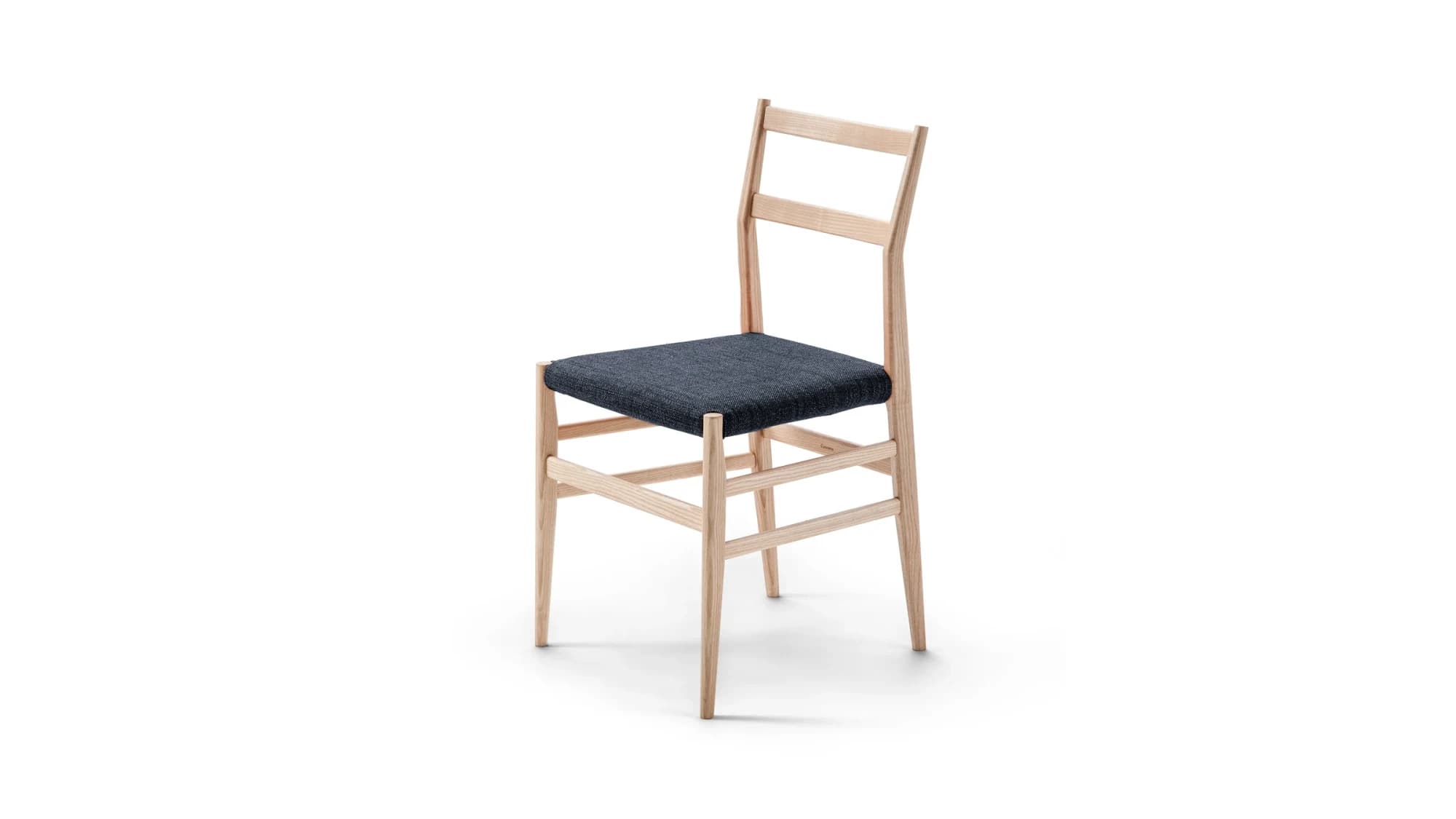
Leggera Chair
Wood chair and armchair by Gio Ponti, 1952, with an upholstered seat; made by Cassina.
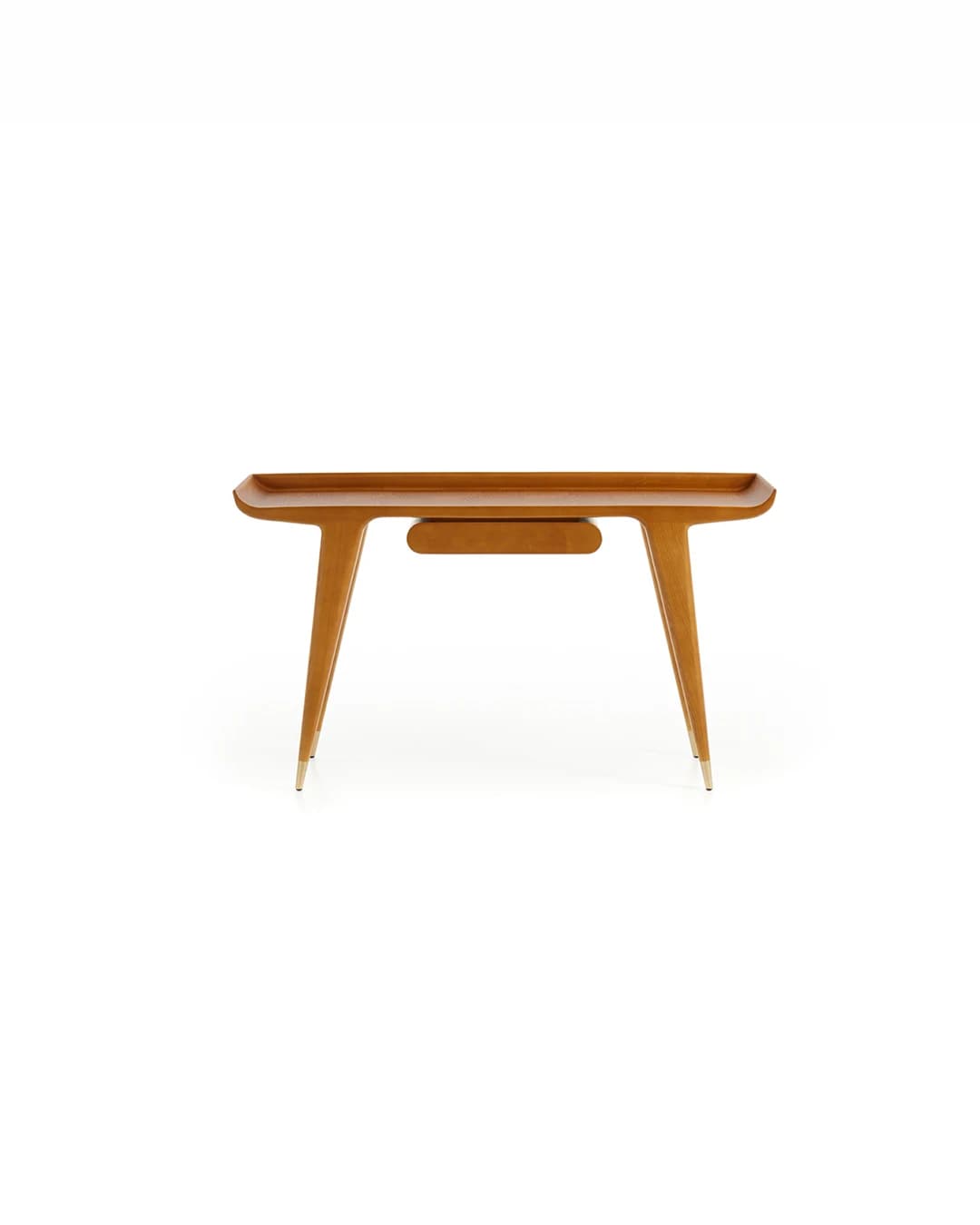
D.847.1
Ponti's 1947 solid ash writing desk, with a wing-inspired top and a small rounded drawer.