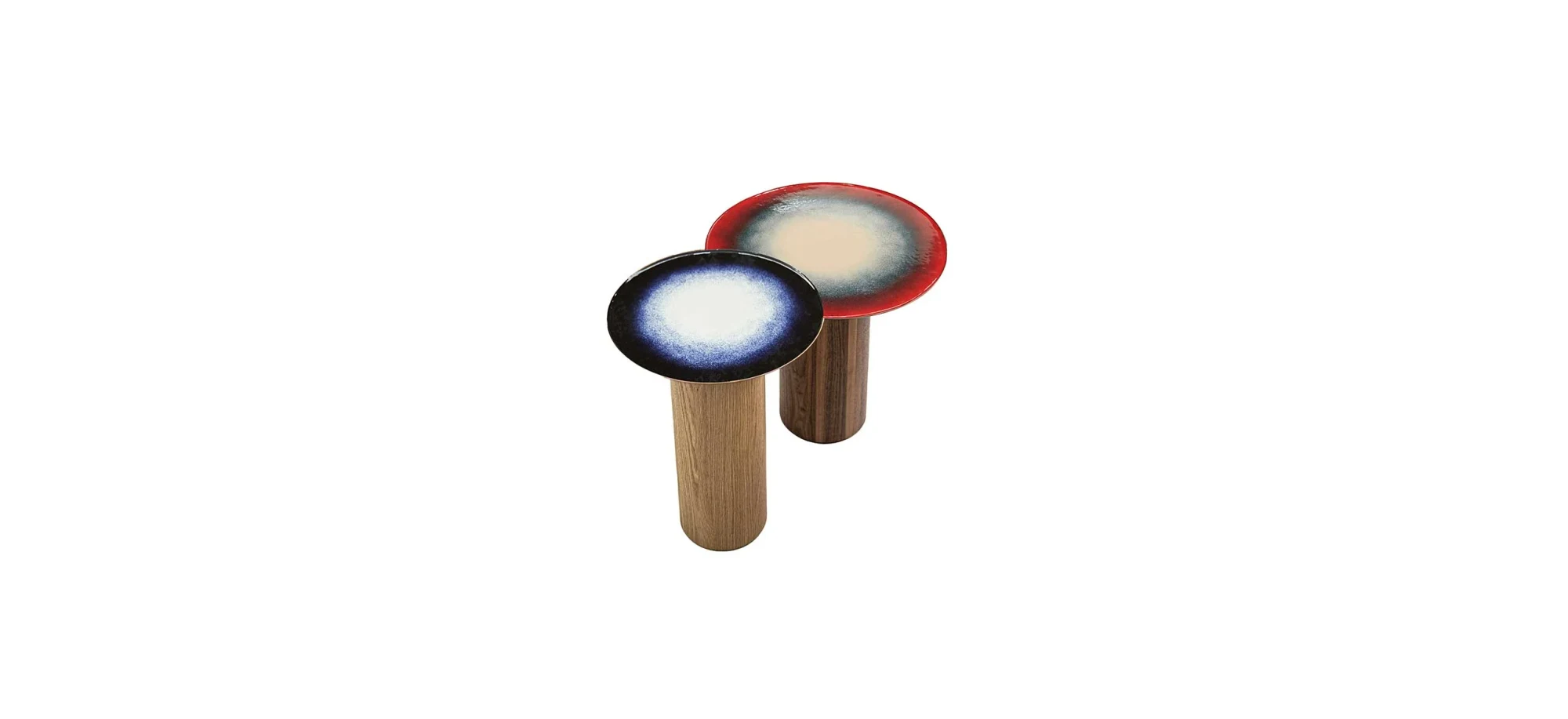
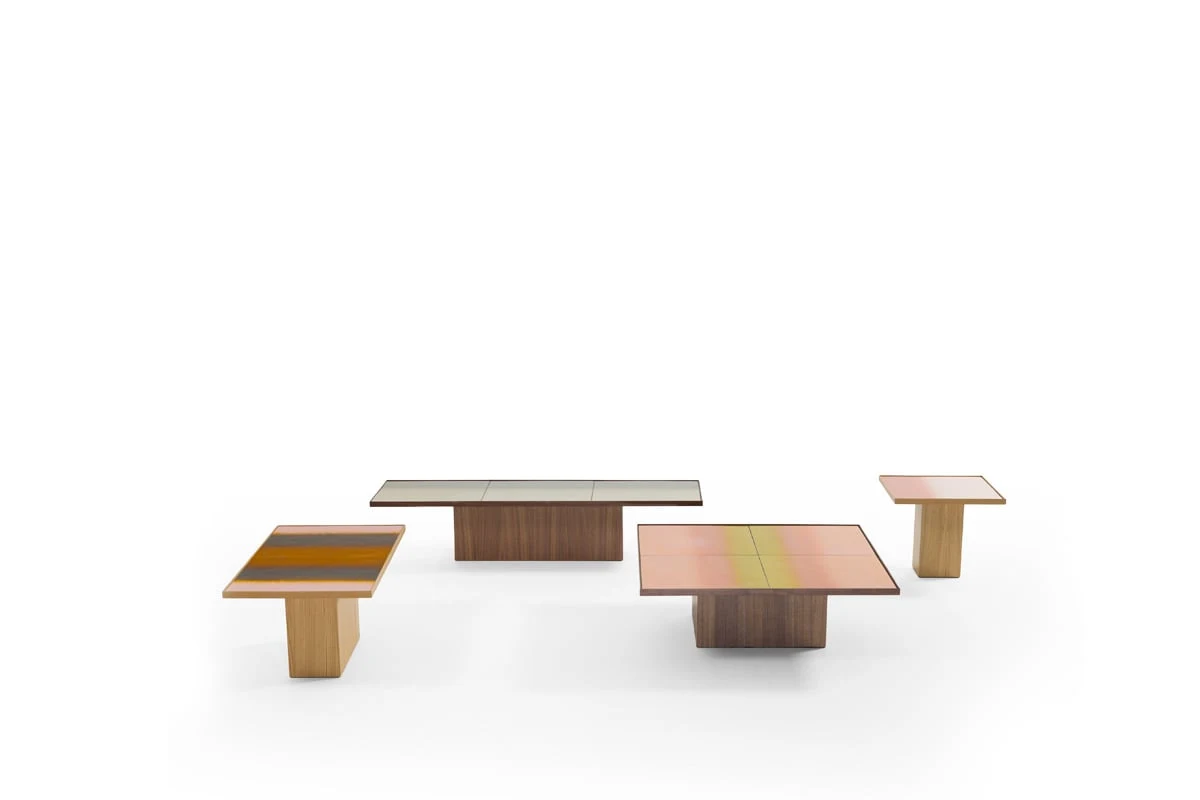
Image source: Moroso — Clay
© Moroso and the respective rights holders. Quoted to accompany INTEBEE's independent design commentary and research.
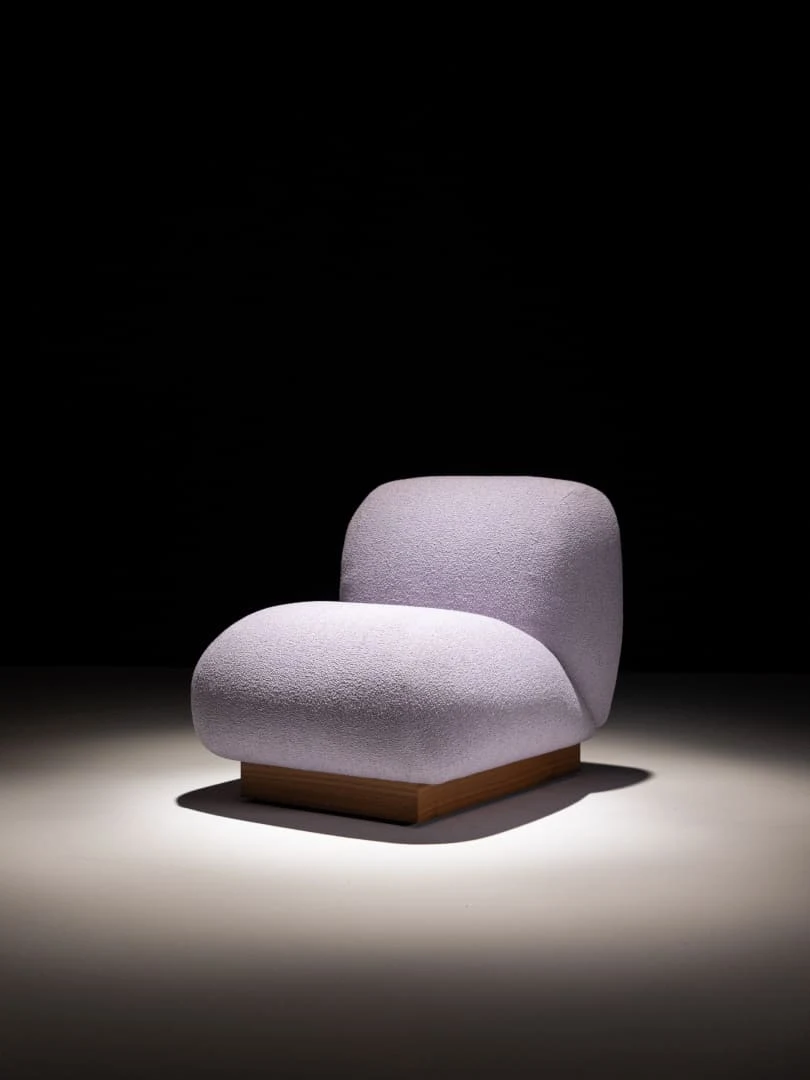
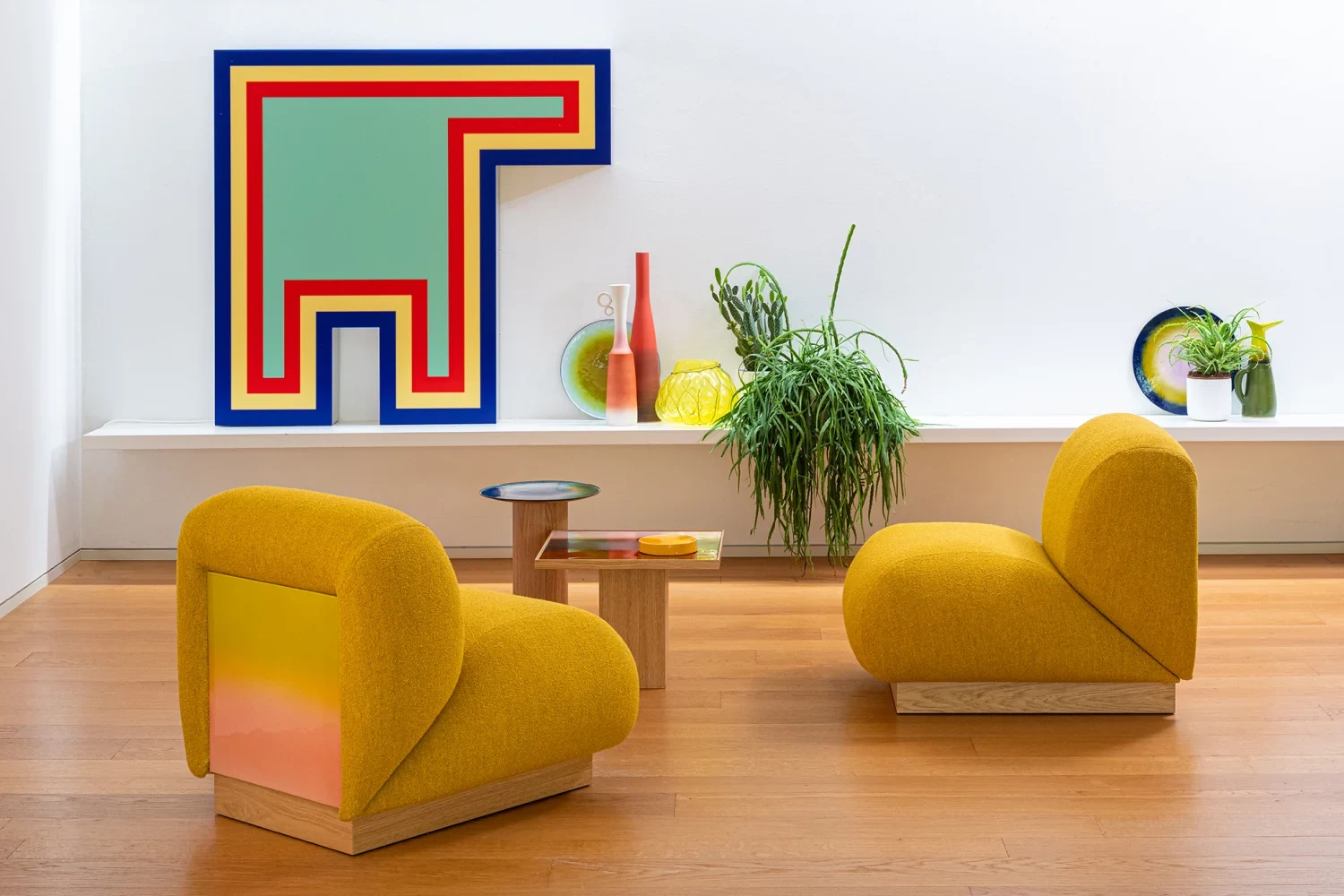
Clay
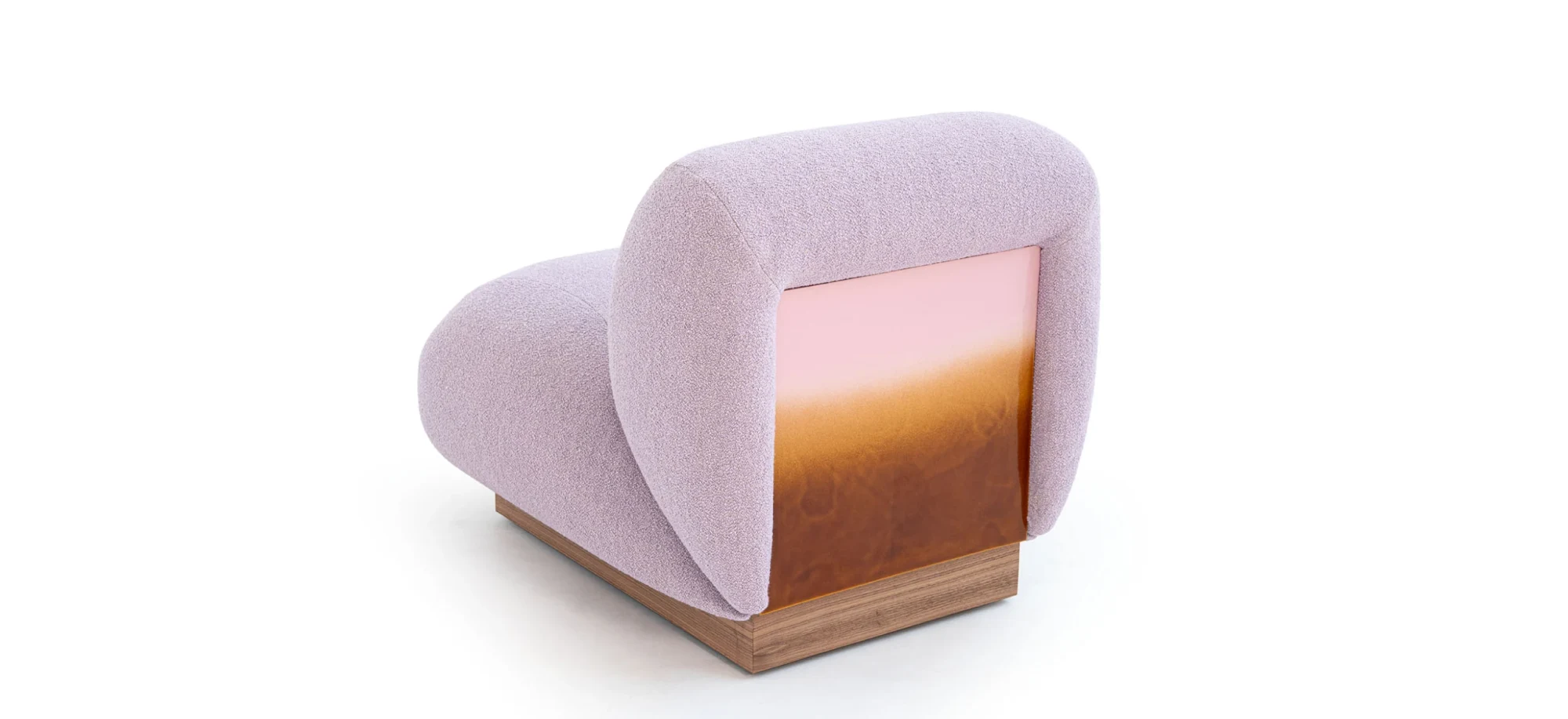
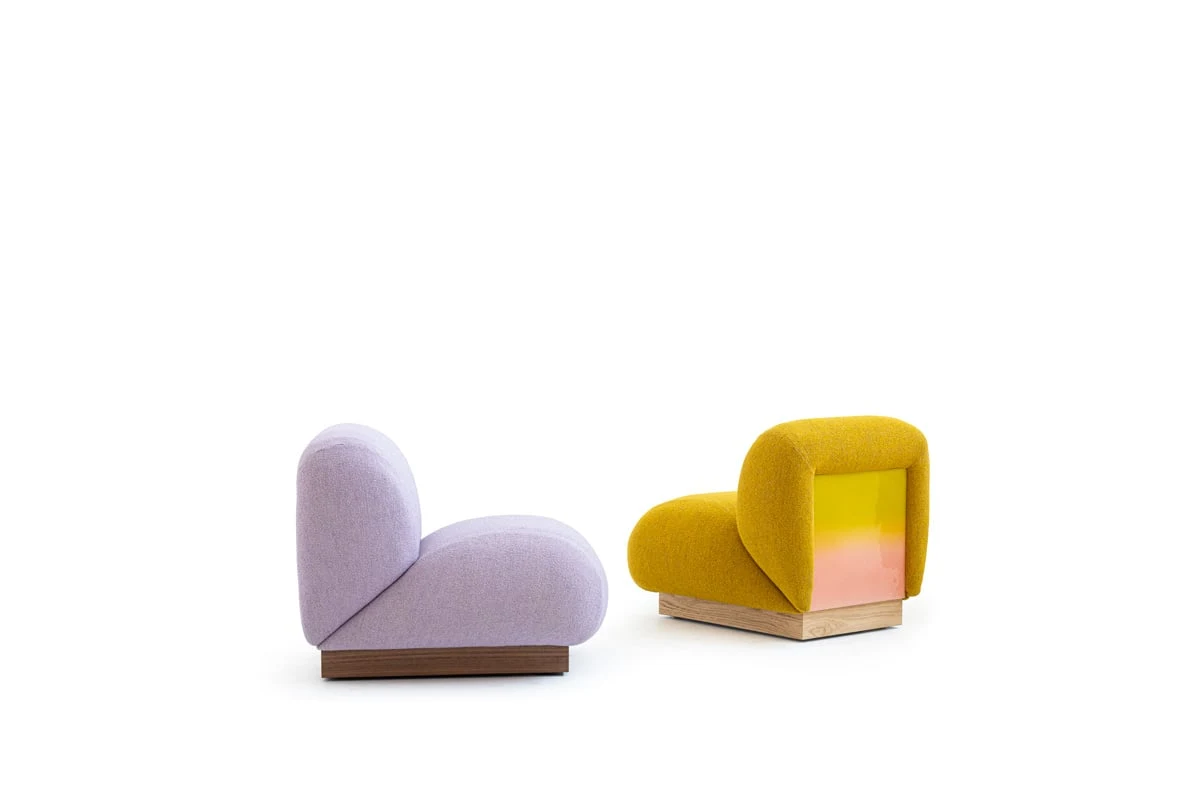
Clay armchair by Zanellato/Bortotto for Moroso, 2025, with a hand-glazed ceramic backrest panel

760 × 710 mm
2025
Official product information
INTEBEE AI PUBLIC LIBRARY is an independent furniture design research and discovery platform. Product specifications, finishes, availability and other details may change. For current and definitive information, please refer to the manufacturer's official website.
Go to the official product pageSpecifying Clay for your design project?
INTEBEE is the FF&E specification platform for interior designers: spec sheets, finishes, floor plans and client-ready PDFs in one place.
Description
Overview
The Clay armchair is a Moroso armchair by Zanellato/Bortotto, dated 2025. A handcrafted ceramic panel serves as the backrest, and each piece is made in the ceramics district of Nove, Vicenza.
Construction
The seat is an elastic webbed frame in plywood and solid fir wood with moulded polyurethane foam. The backrest is a plywood and solid fir frame with moulded polyurethane foam, and a hand-glazed ceramic plate is fixed to it. The base is available in oak or walnut and stands on screw-fastened polypropylene glides.
Specifications
- Seat height: 42 cm without applied load
- Backrest: hand-glazed ceramic plate
- Glaze colours: nine
- Base: oak or walnut
- Designer and year: Zanellato/Bortotto, 2025
Story
A collaboration that continues the Mangiafuoco research
Clay is the result of a collaboration between Zanellato/Bortotto and Moroso, and it continues the research path started with the Mangiafuoco collection. Giorgia Zanellato and Daniele Bortotto founded their studio in 2013, after degrees at IUAV in Venice and ECAL in Lausanne; it is based in Treviso.
Ceramic from Nove
Each Clay is handcrafted in the historic ceramics district of Nove (Vicenza), using bi- and three-dimensional slabs with glazes and lustres. Every plate is unique, and small differences between plates are treated as a valued part of the craft. From behind, the glazed ceramic is set into a textile frame.