
Image source: Artek — Aslak Chair
© Artek and the respective rights holders. Quoted to accompany INTEBEE's independent design commentary and research.
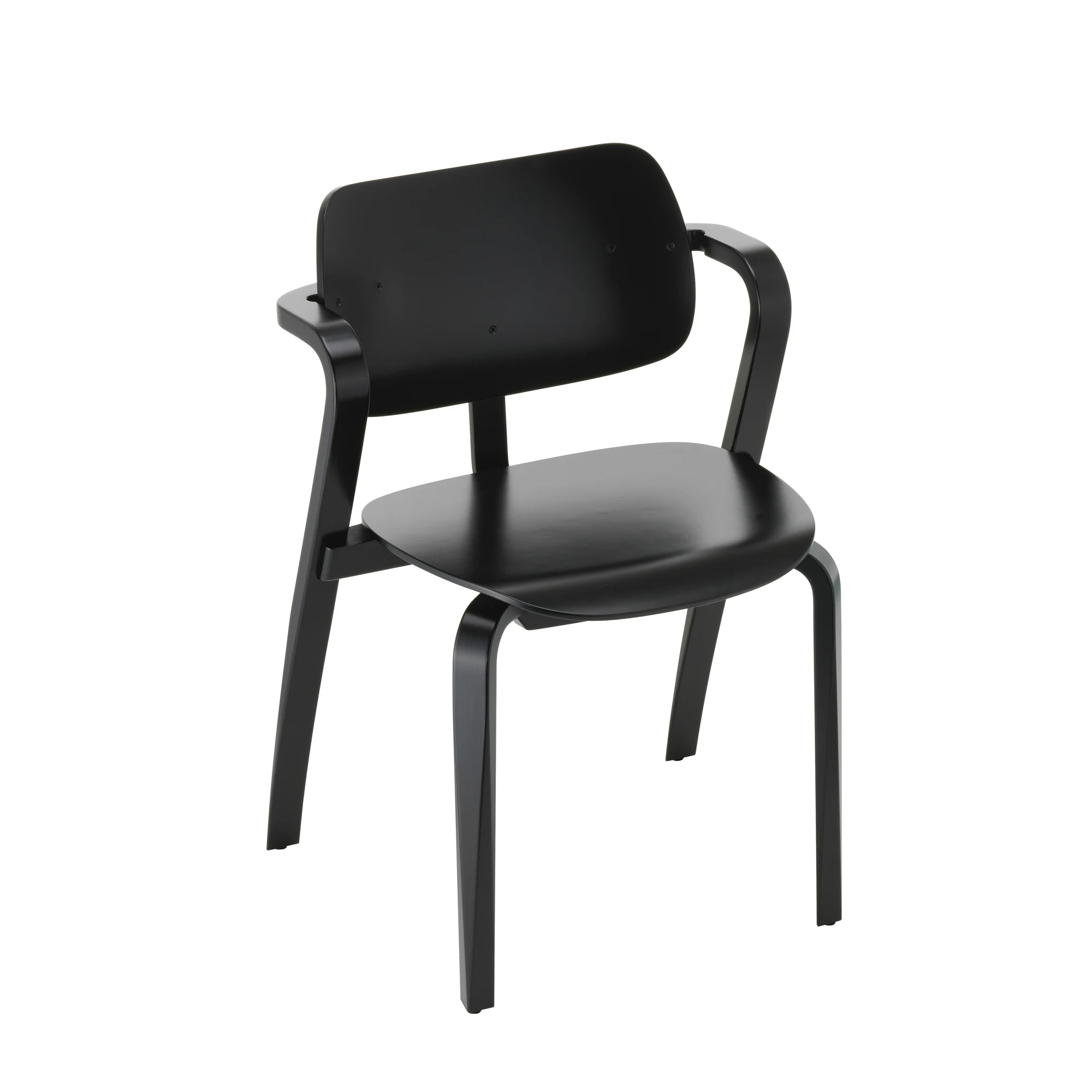
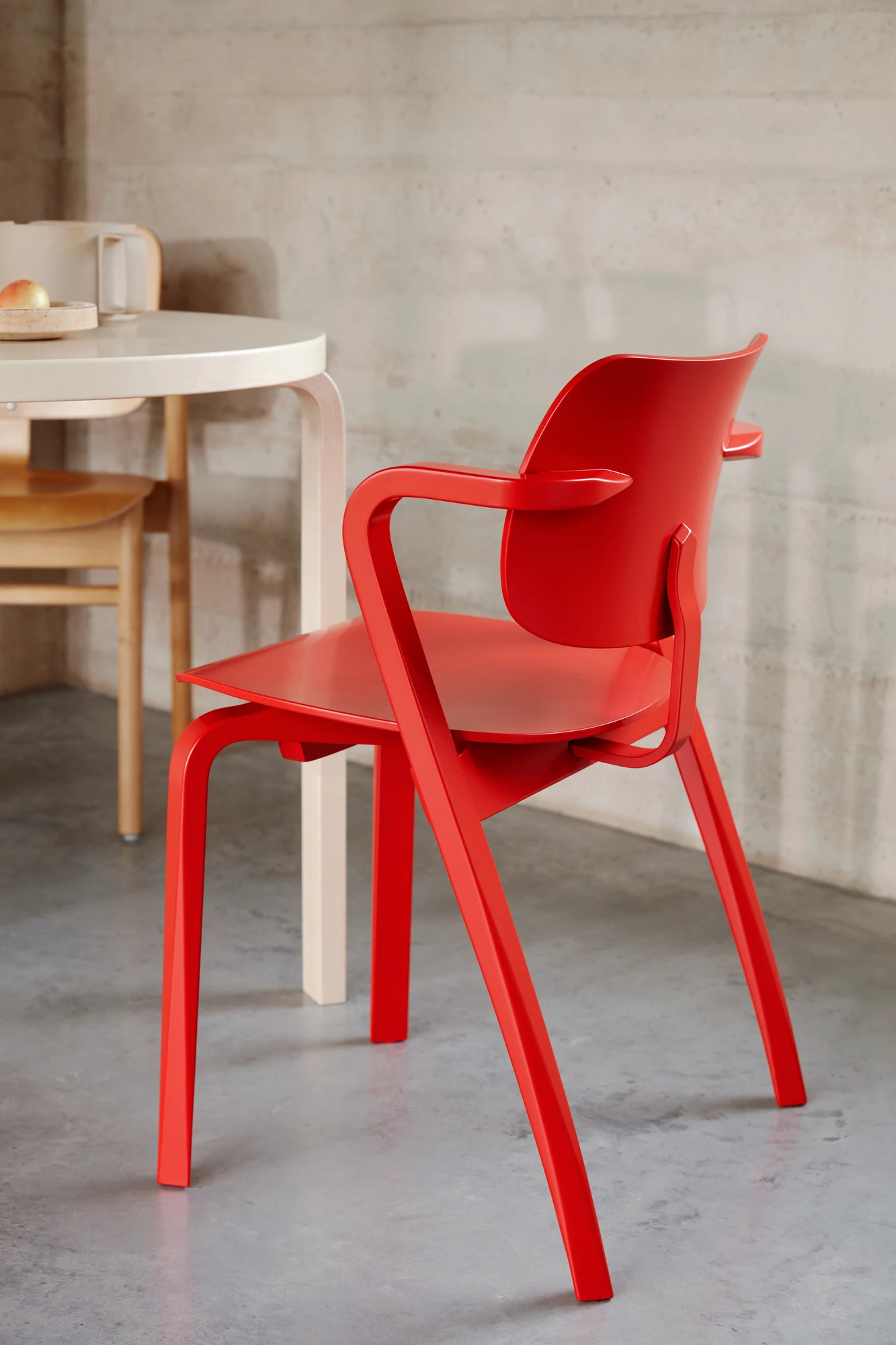
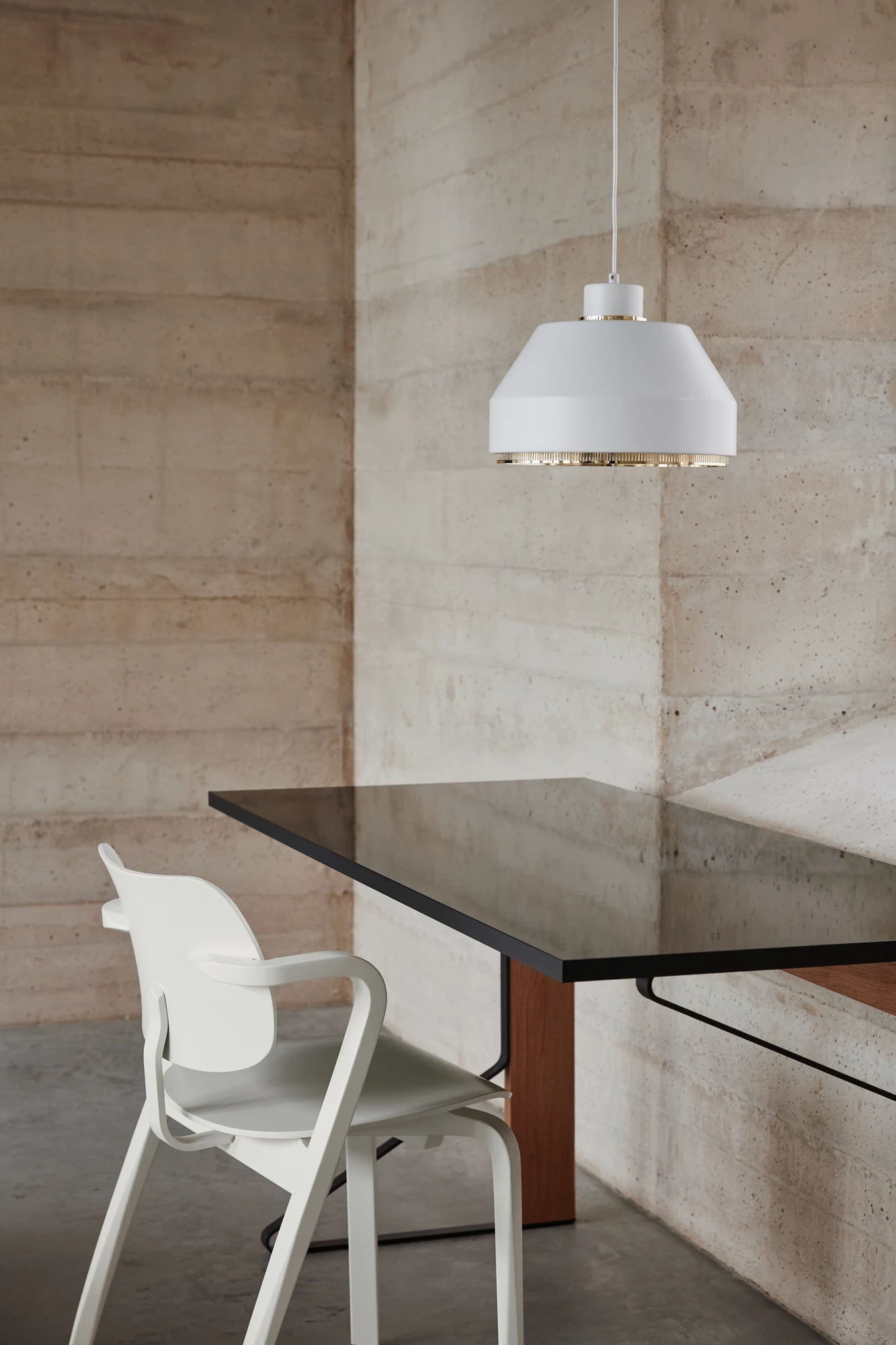
Aslak Chair
A stackable beech chair sketched in 1946 and brought into production by technical advances in 1958.


530 × 760 × 500 mm
1958
Italy
Official product information
INTEBEE AI PUBLIC LIBRARY is an independent furniture design research and discovery platform. Product specifications, finishes, availability and other details may change. For current and definitive information, please refer to the manufacturer's official website.
Go to the official product pageDescription
Overview
Ilmari Tapiovaara sketched the Aslak Chair in 1946, but technical advances delayed manufacture until 1958. Artek describes it for restaurants, meeting rooms and homes, including use at dining tables.
Construction
The seat and back are formed beech plywood. Solid beech and form-pressed beech plywood make up the frame and legs. Curved seating surfaces and short rounded armrests shape the chair’s documented function.
Specifications
The official drawing labels W 53 × D 50 × H 76 cm and a 46 cm seat height. Four chairs can be stacked.
Story
From sketch to production
Although Tapiovaara drew Aslak as early as 1946, Artek says it was not manufactured until 1958. Improvements in production technology made serial manufacture possible at that later date.
Economy of material
Artek relates Aslak to Tapiovaara’s goal of combining plasticity with economical material use. The chair achieves that objective through formed plywood surfaces, a beech frame and a stackable structure.
More by Ilmari Tapiovaara
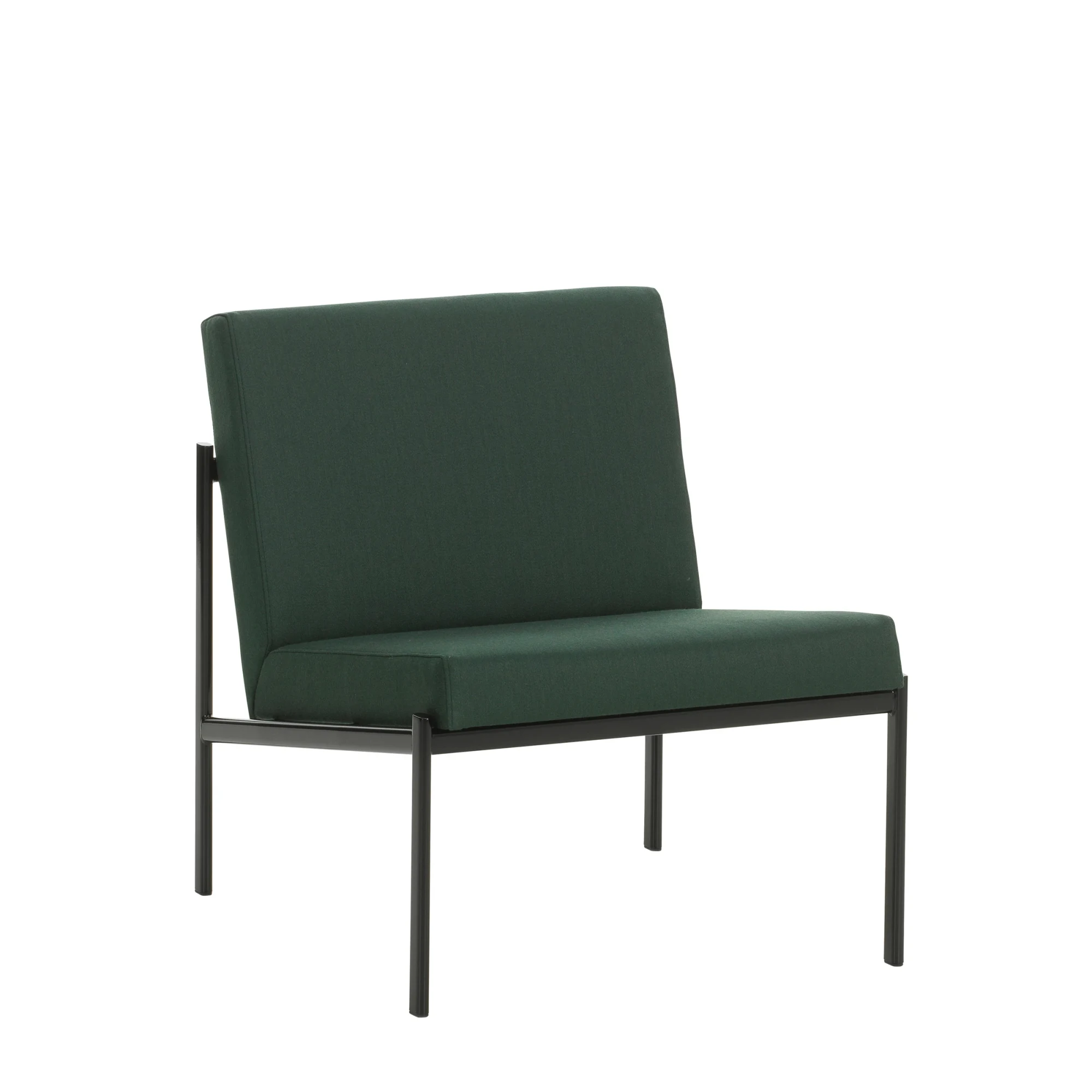
Kiki Lounge Chair
Ilmari Tapiovaara's compact steel-framed lounge chair from the Kiki Collection, 1960
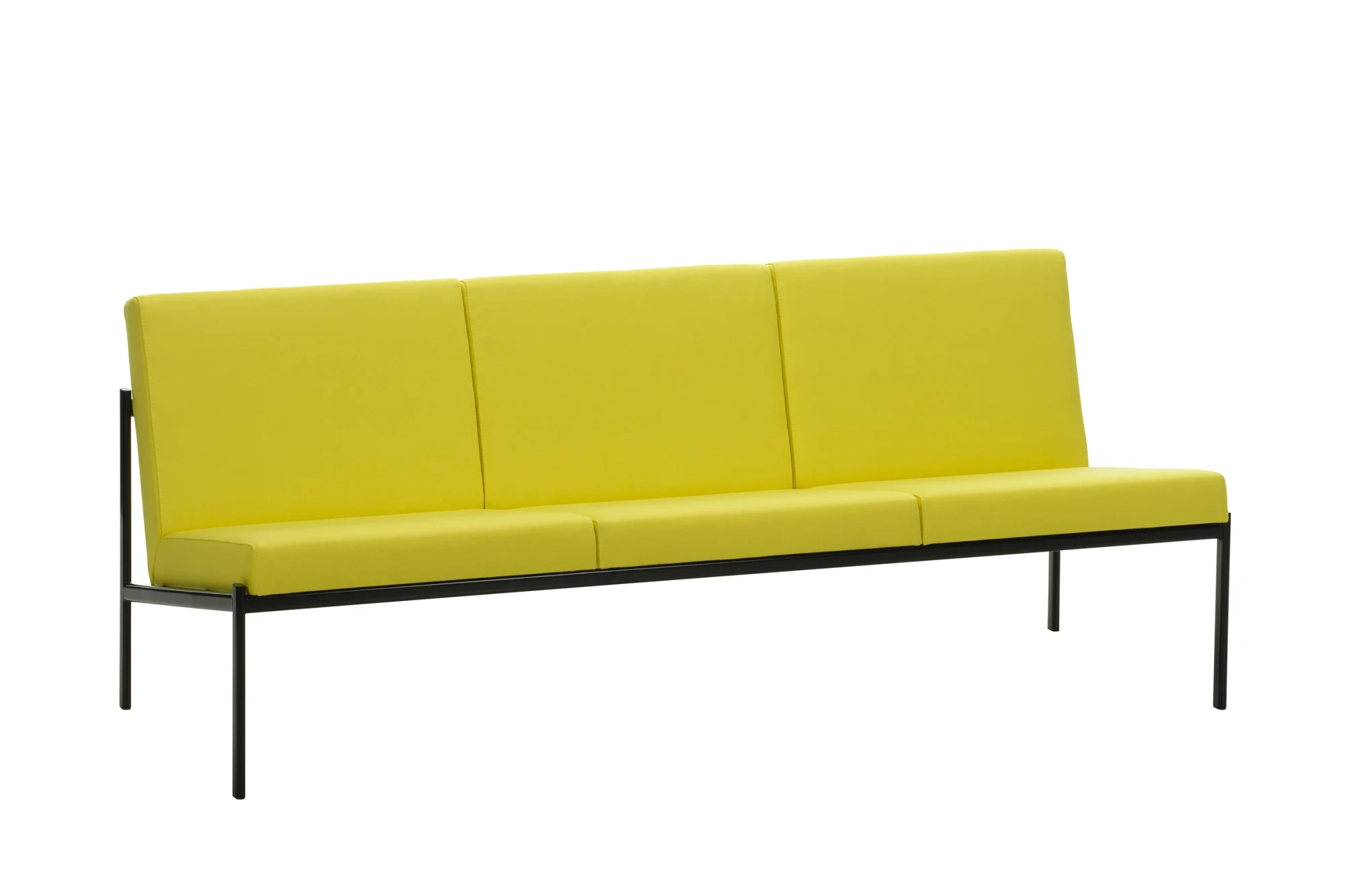
Kiki Sofa
Ilmari Tapiovaara's steel-framed Kiki Sofa for Artek, 2- or 3-seater, 1960
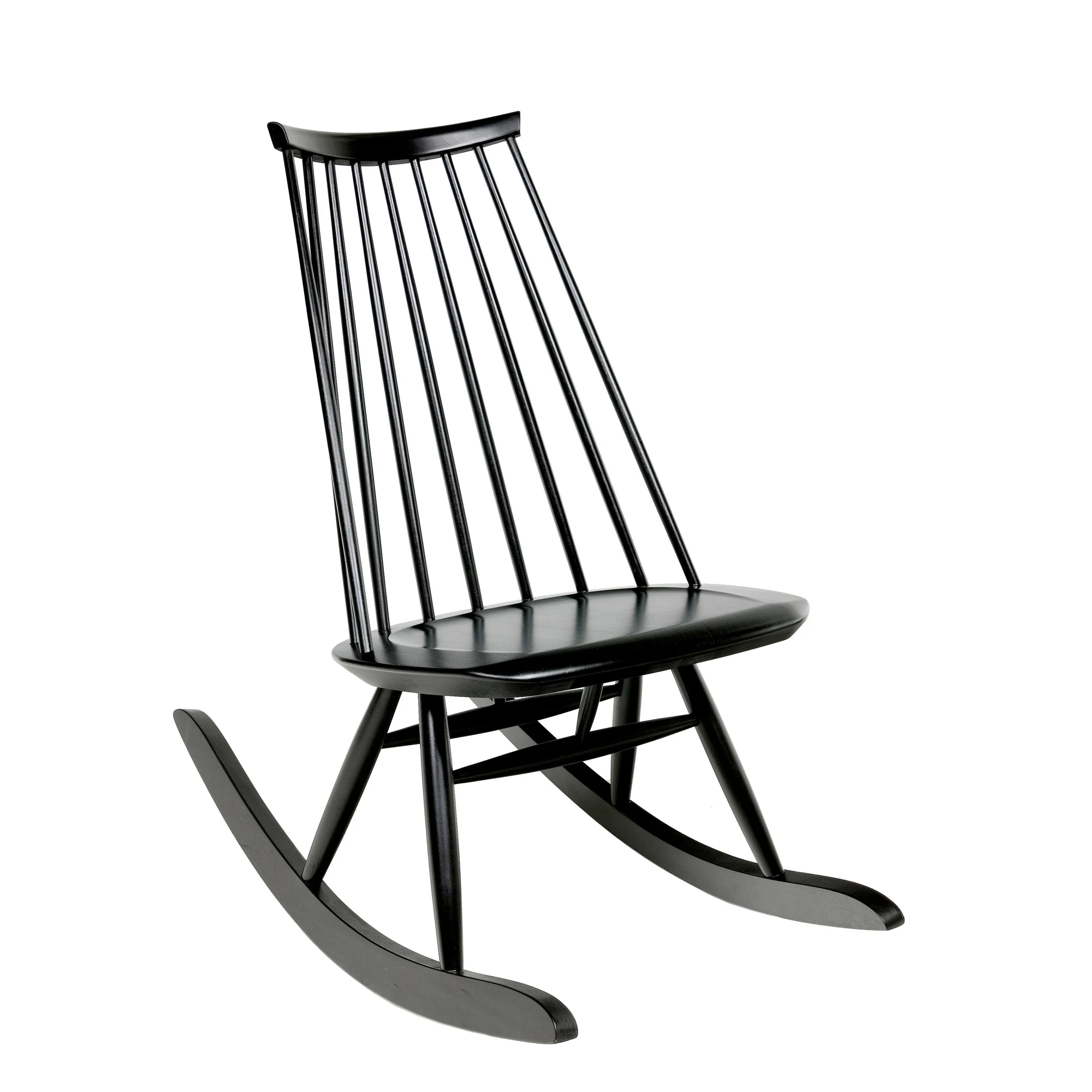
Mademoiselle Rocking Chair
Tapiovaara’s 1956 solid-birch rocking chair, shaped through Finnish tradition and modern design.
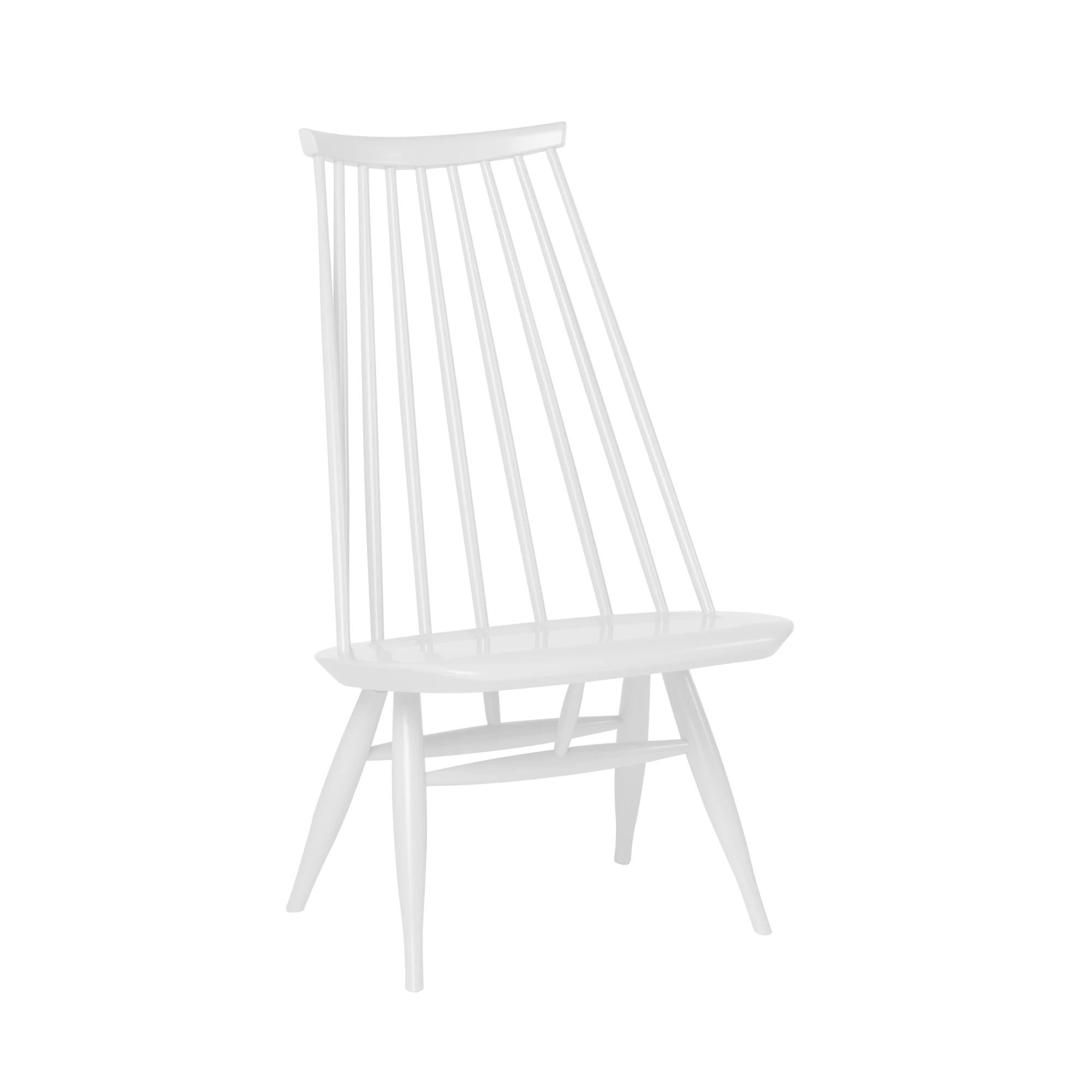
Mademoiselle Lounge Chair
A solid-birch lounge chair joining Finnish chair tradition with Tapiovaara’s modern approach.