
Image source: Ligne Roset — Albers Occasional table
© Ligne Roset and the respective rights holders. Quoted to accompany INTEBEE's independent design commentary and research.
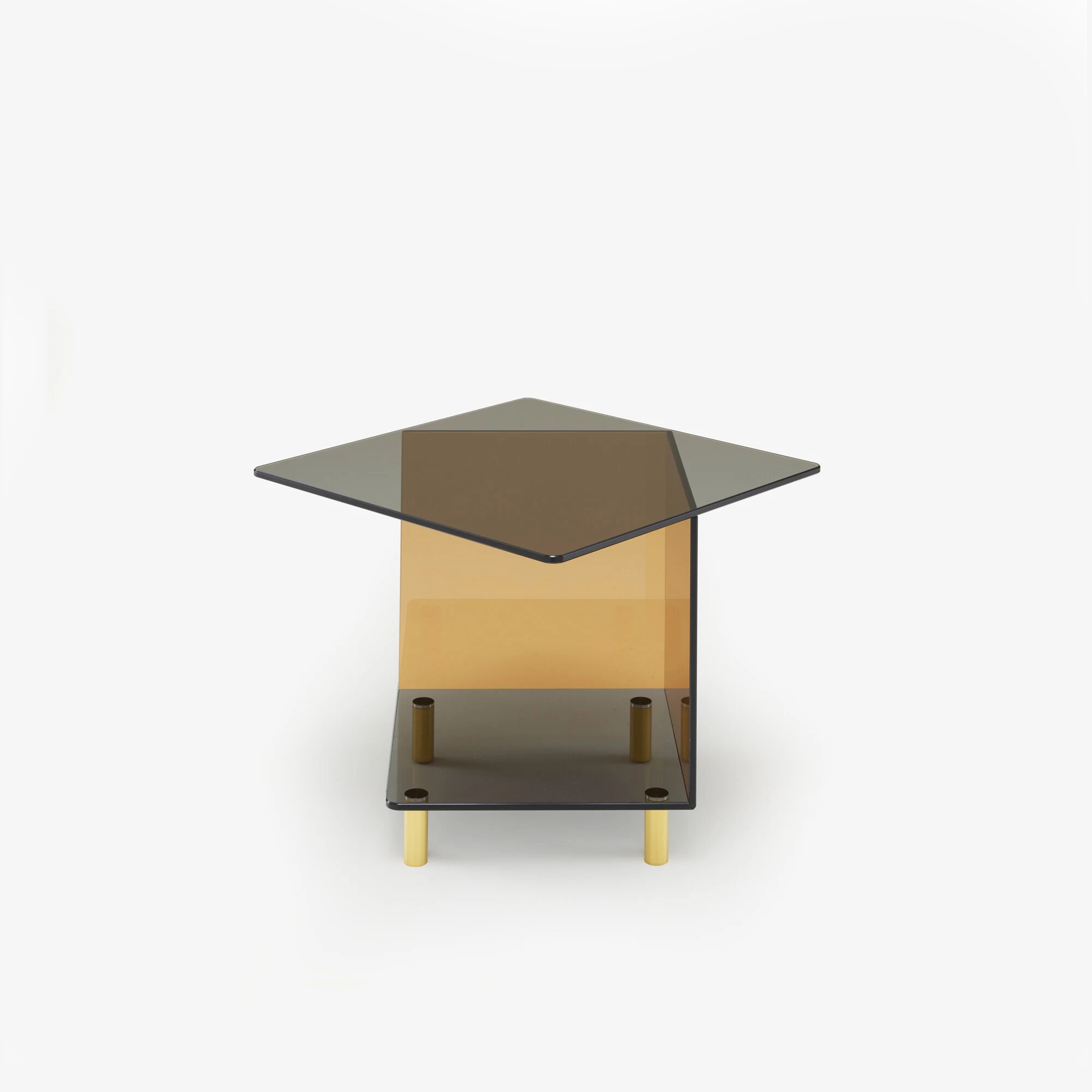
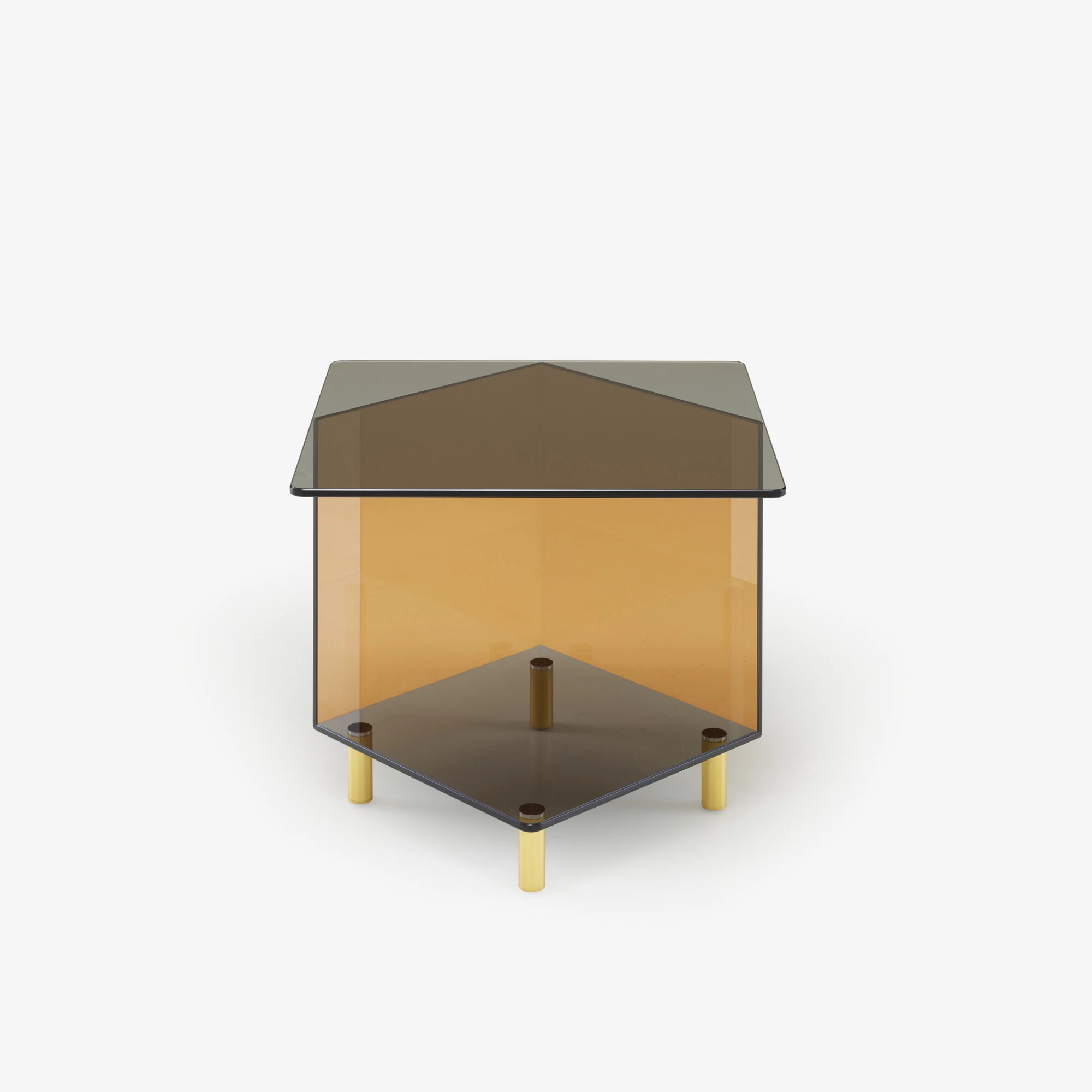
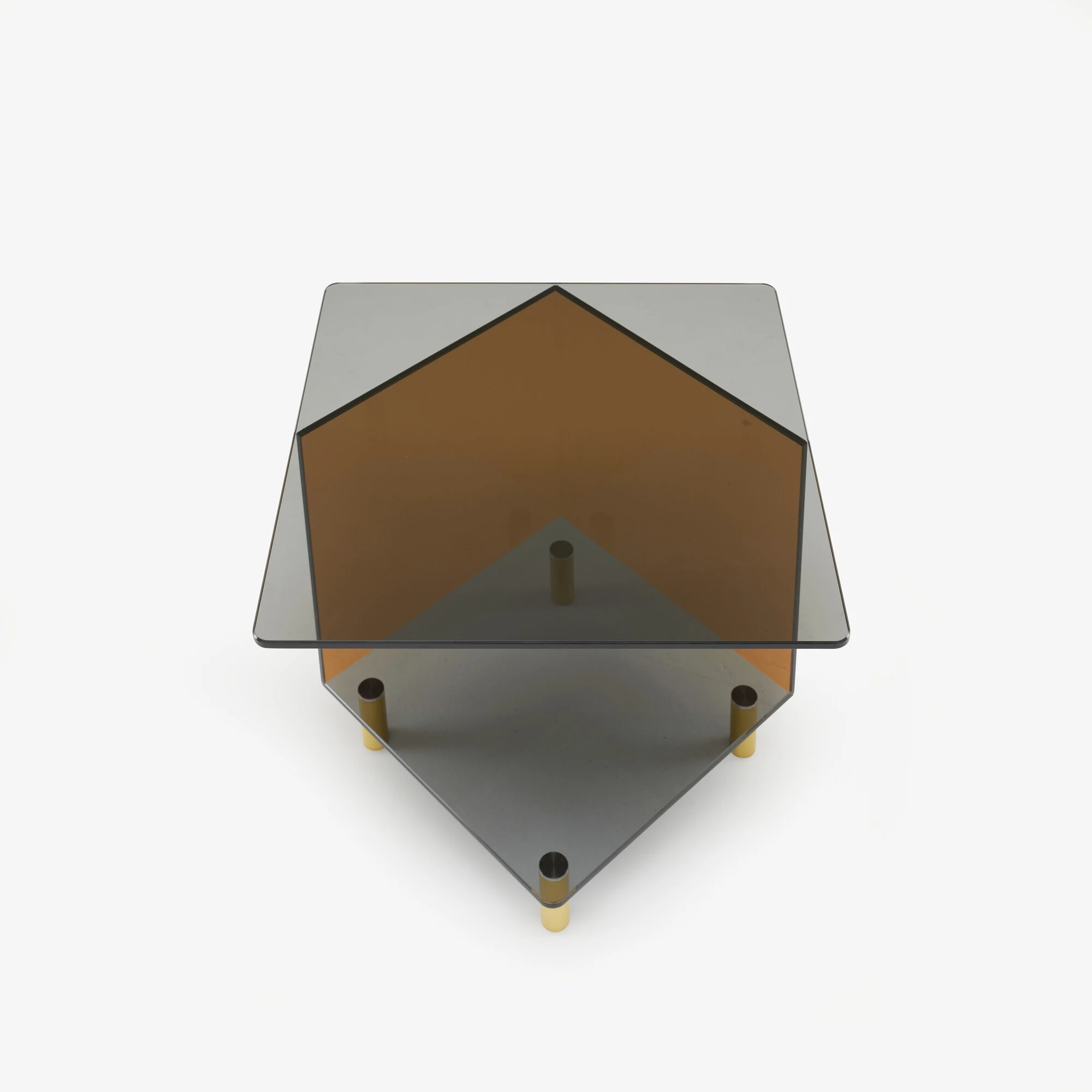
Albers Occasional table
Modular low table in smoked and amber tempered glass on four brass legs


450 × 369 × 450 mm
Approx. $1,600 (reference price; varies by region and retailer)
Official product information
INTEBEE AI PUBLIC LIBRARY is an independent furniture design research and discovery platform. Product specifications, finishes, availability and other details may change. For current and definitive information, please refer to the manufacturer's official website.
Go to the official product pageSpecifying Albers Occasional table for your design project?
INTEBEE is the FF&E specification platform for interior designers: spec sheets, finishes, floor plans and client-ready PDFs in one place.
Description
Overview
Marie-Aurore Stiker-Métral designed the Albers occasional table for Ligne Roset as part of a modular set of low tables, built on geometry, proportions and modularity. Each module sets one square inside another, after the painter Josef Albers.
Construction
The top and base are smoked tinted tempered glass, the sides are amber glass and the four legs are brass. Two or four modules can be assembled into occasional tables of variable geometry, and several tables can be placed side by side in different configurations.
Specifications
Overall size: 45 x 45 x 36.9 cm (W x D x H). Weight: 20 kg.
Story
A square within a square
Albers is a set of modular low tables that works with geometry, proportions and modularity. Each module sets one square inside another, a reference to Josef Albers, painter and Bauhaus art teacher (1923-1933), and his Homage to the Square series.
Modules that combine
Assembling 2 or 4 modules gives occasional tables with variable geometry and multiple combinations. Several tables can also be composed side by side, creating different configurations according to needs and space.
More by Marie-Aurore Stiker-Métral
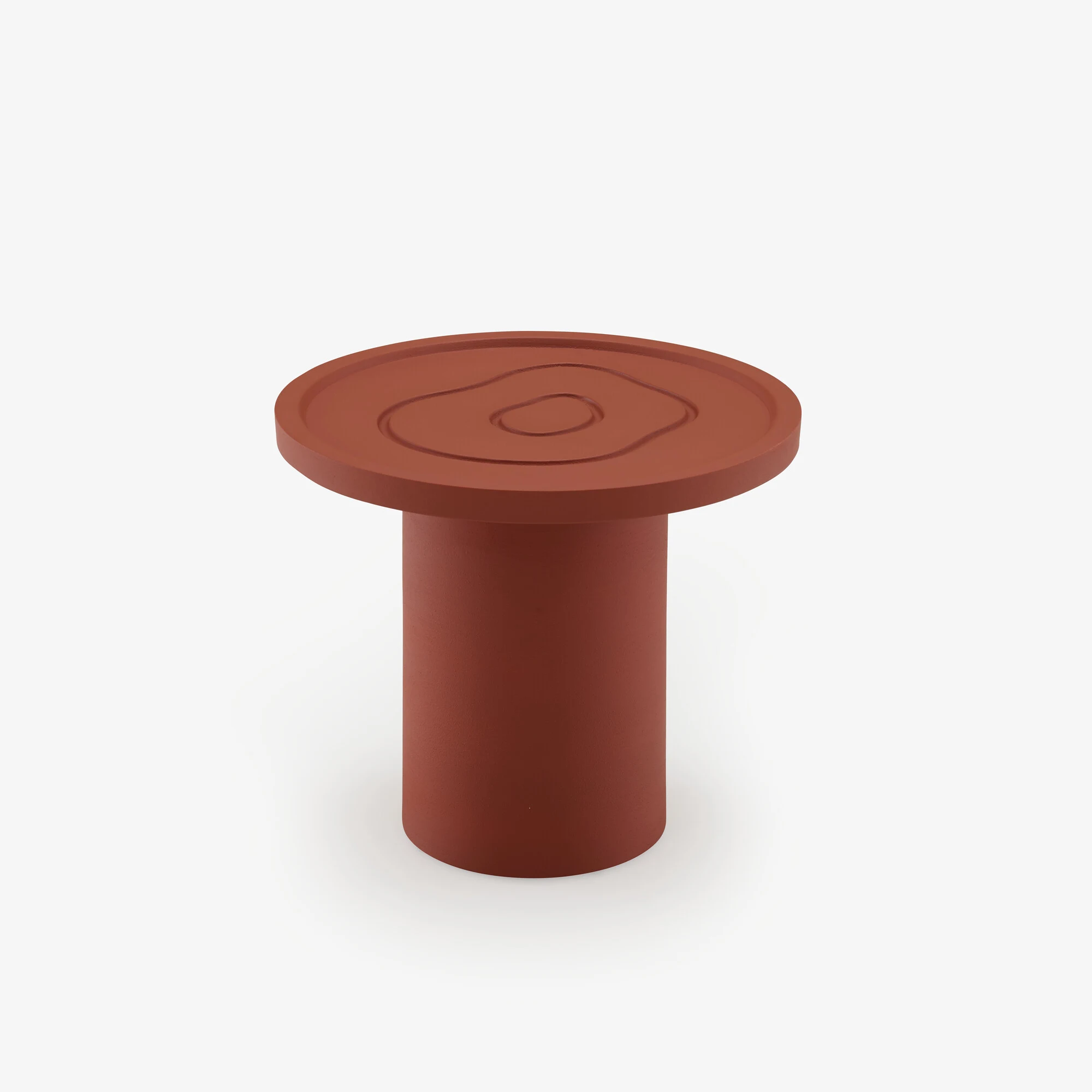
Contrée Low table
Contrée low table, small: enamelled stoneware with an embedded pattern, for indoors and outdoors
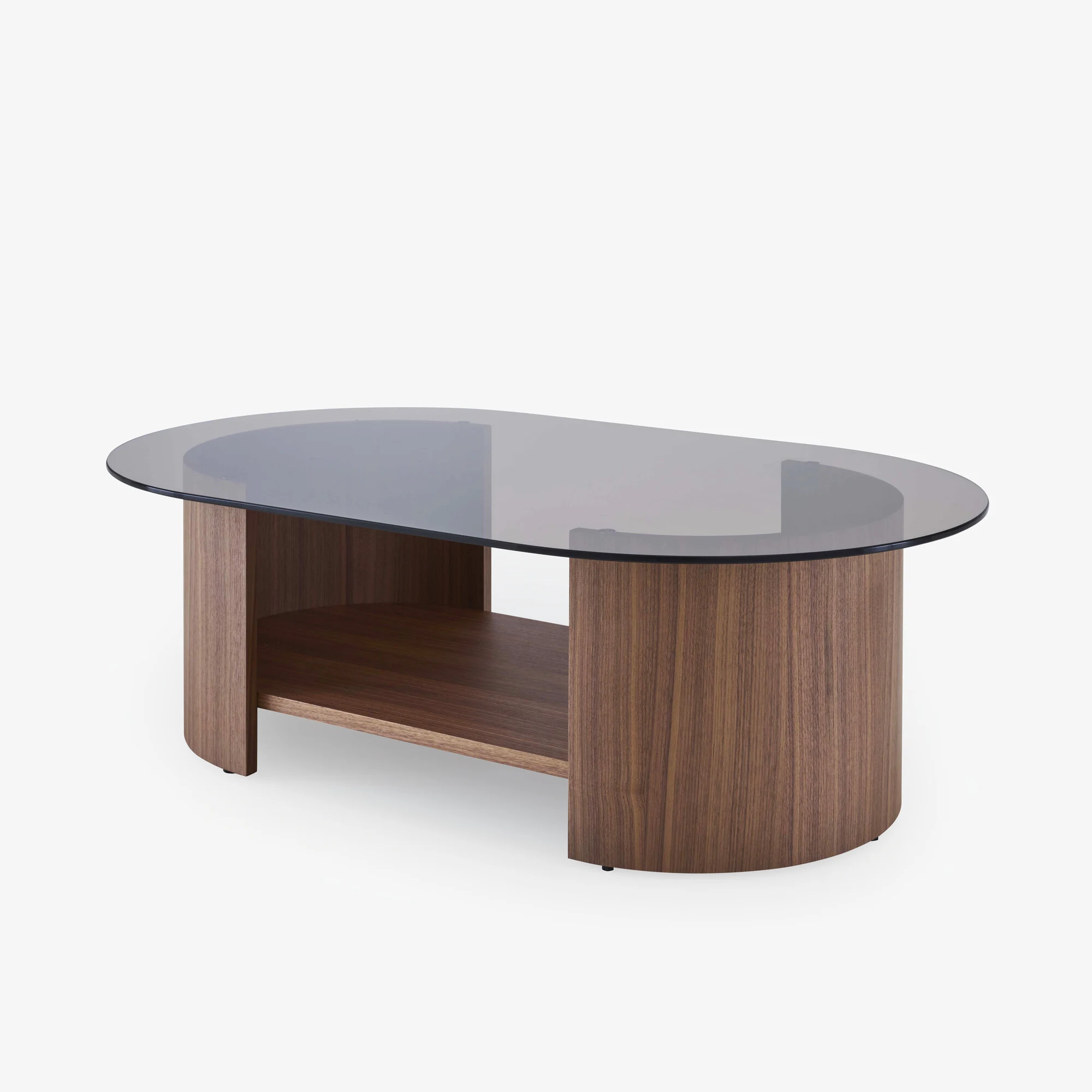
Ove Low table
Low table with two curved walnut-veneered legs, a walnut lower top and a smoked glass top
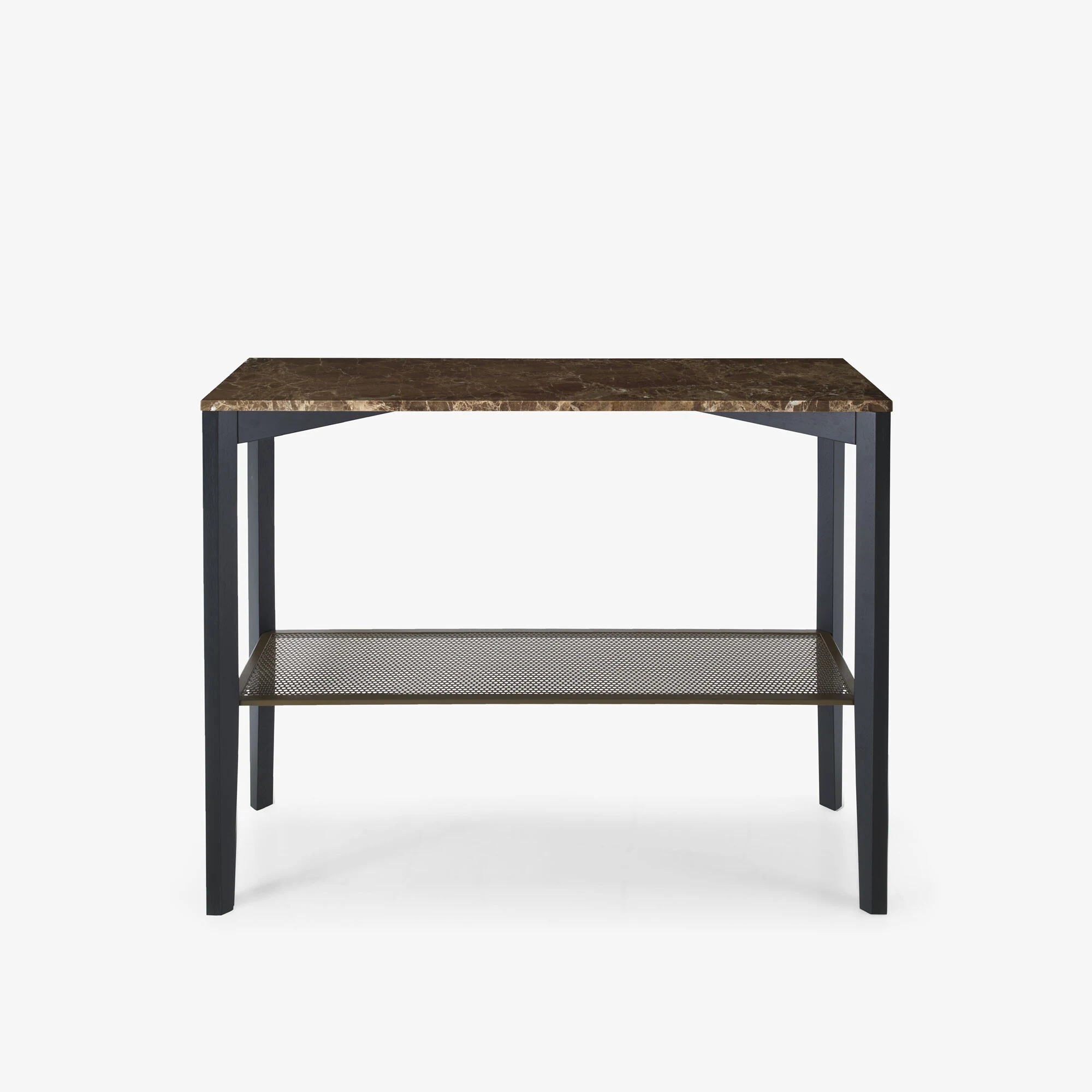
Inamma Console table
Inamma console table by Marie-Aurore Stiker-Métral: ash structure, perforated steel and marble tops