
Image source: Herman Miller — Action Office System
© Herman Miller and the respective rights holders. Quoted to accompany INTEBEE's independent design commentary and research.
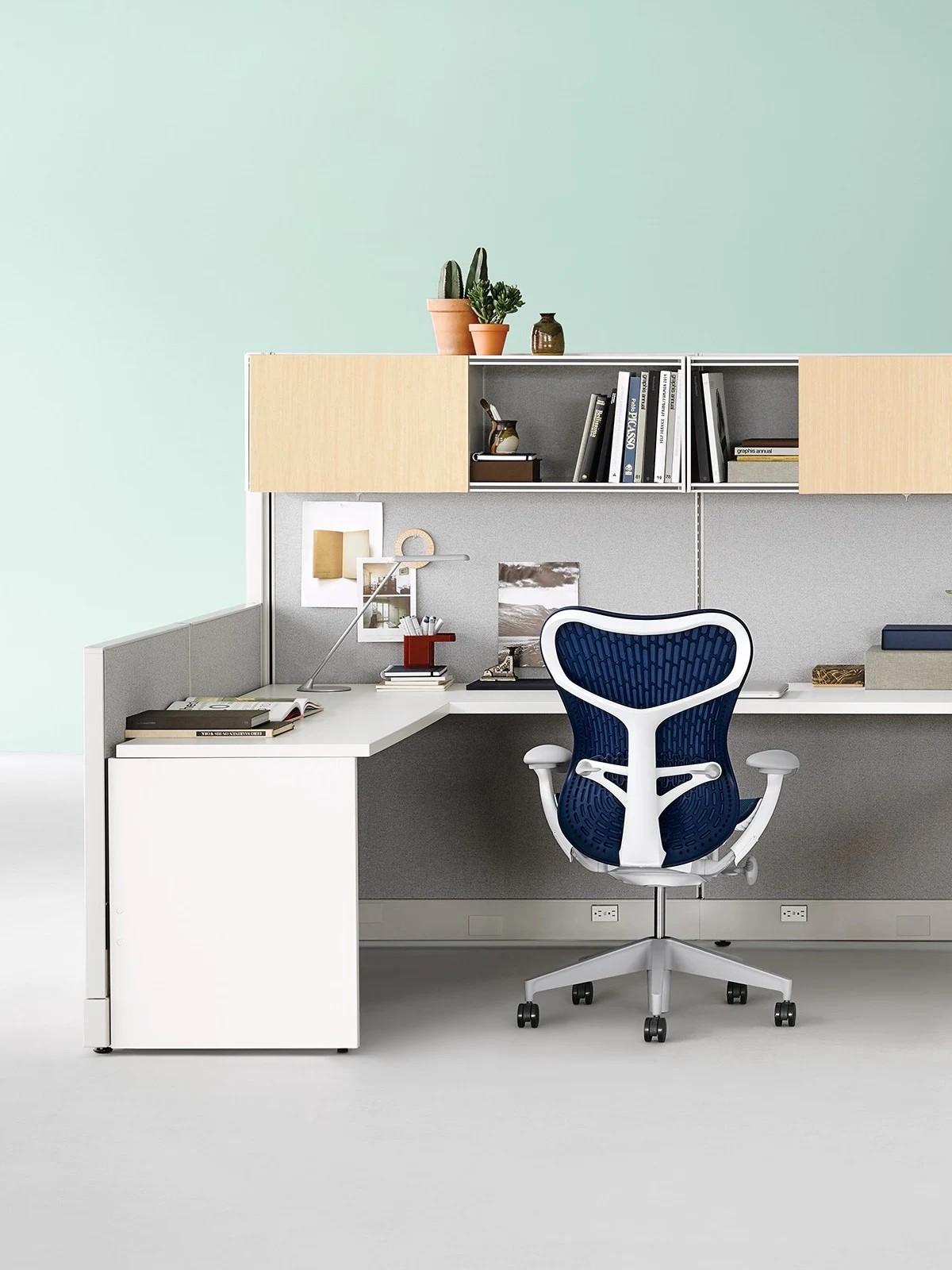
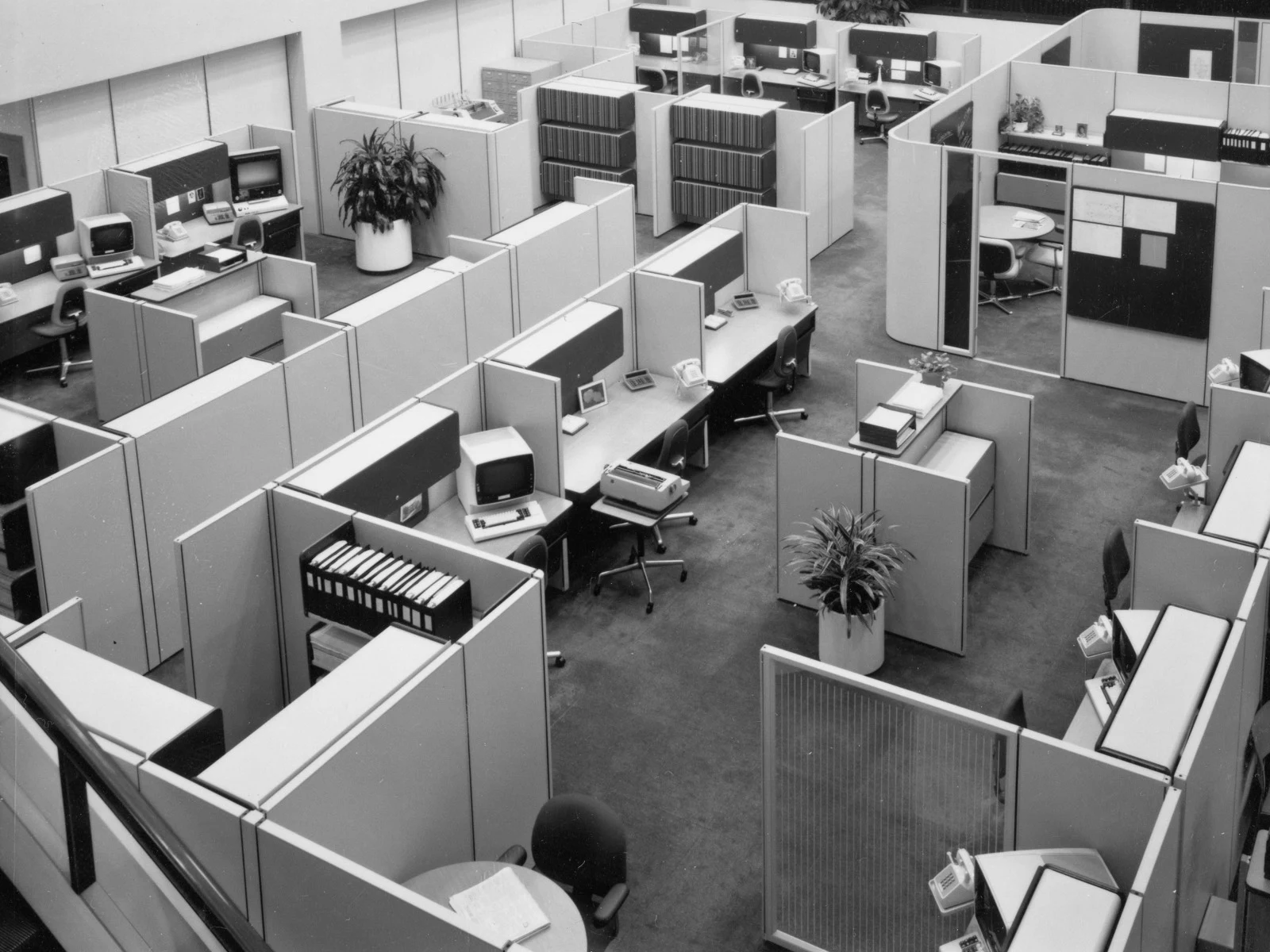
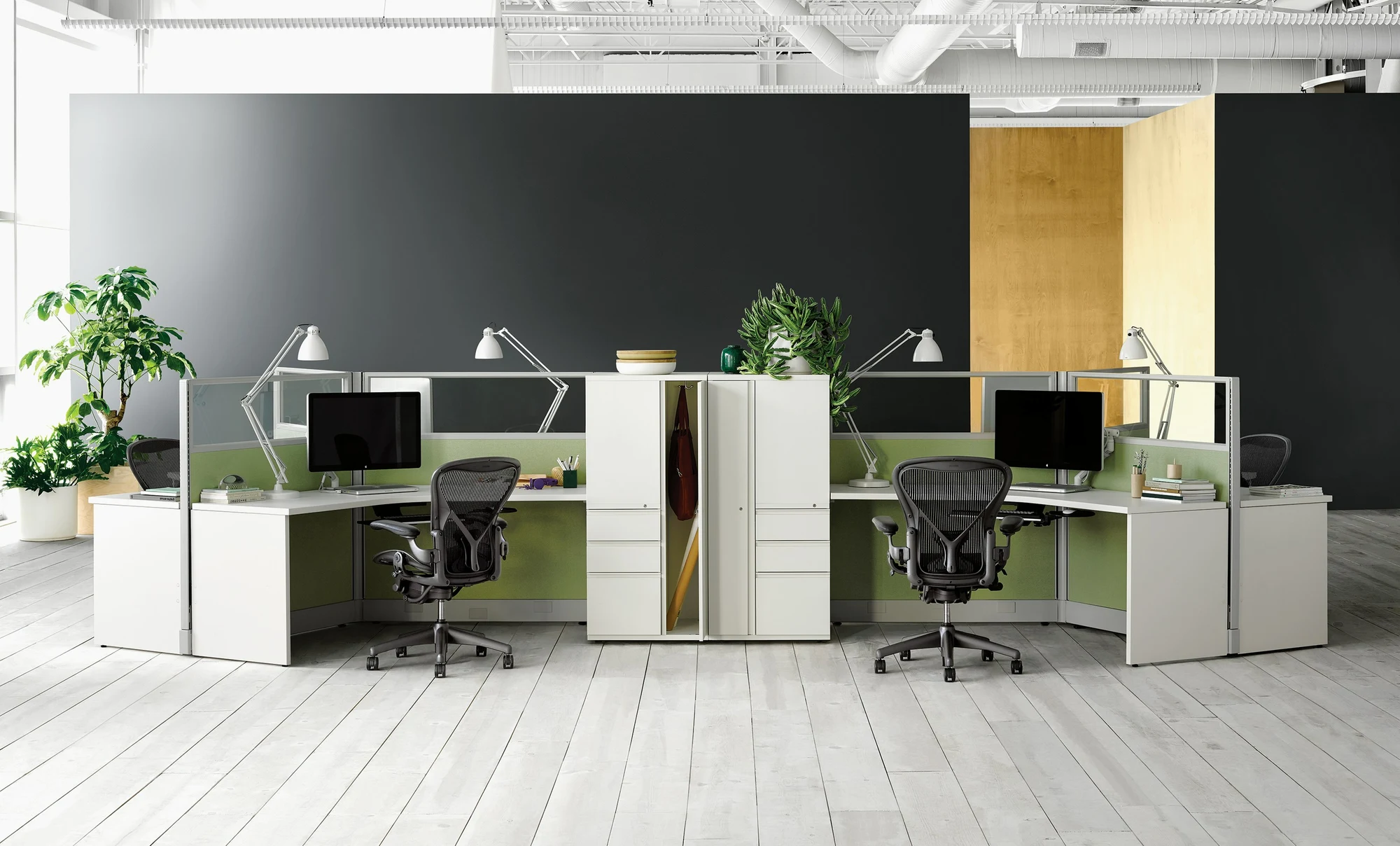
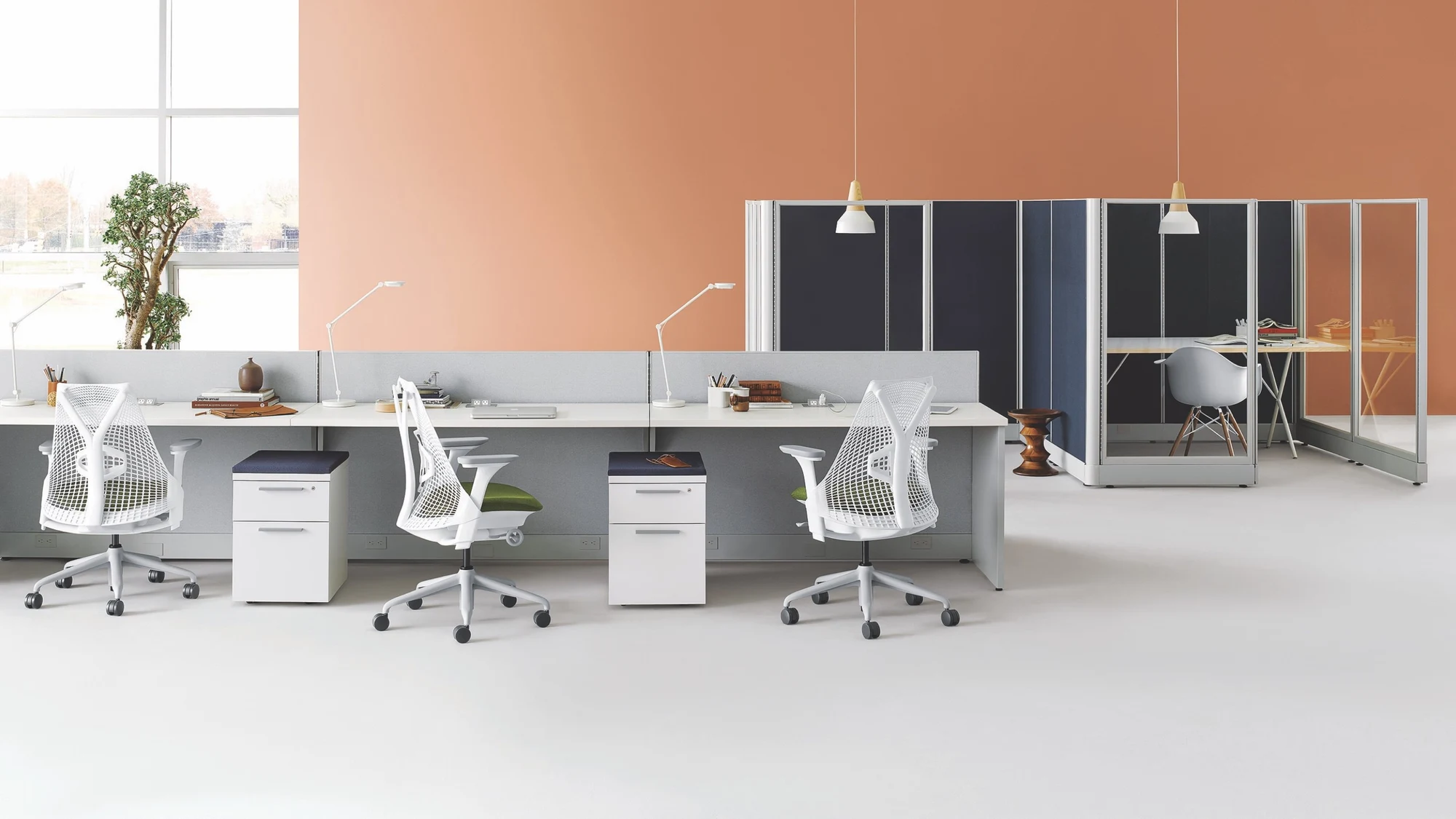
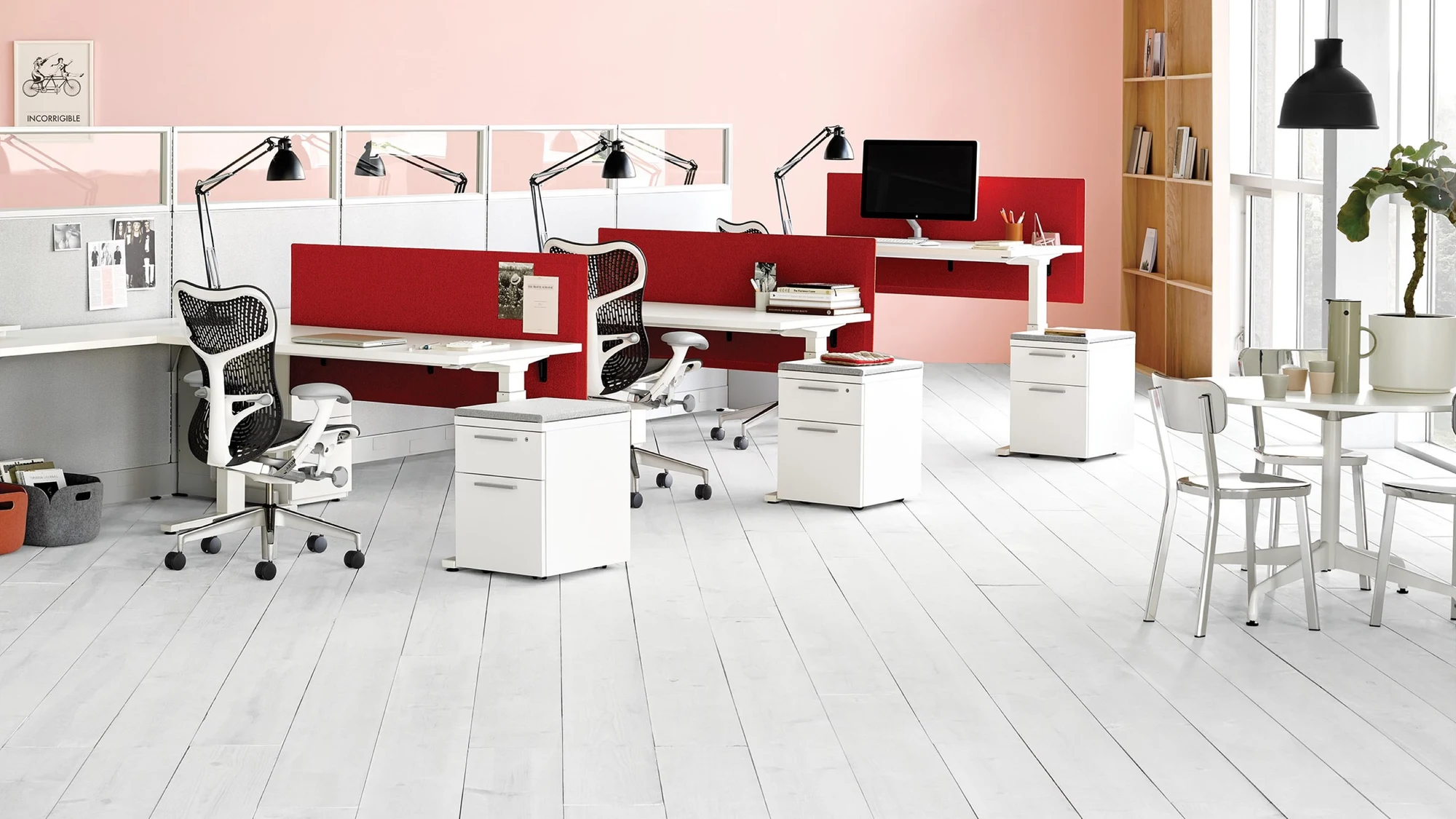
Action Office System
The 1968 open-plan system of panels, work surfaces and storage by Robert Propst and Jack Kelley.


1219 × 749 × 762 mm
1968
Official product information
INTEBEE AI PUBLIC LIBRARY is an independent furniture design research and discovery platform. Product specifications, finishes, availability and other details may change. For current and definitive information, please refer to the manufacturer's official website.
Go to the official product pageDescription
Overview
Action Office System is a modular open-plan workstation system of panels, work surfaces and storage, designed by Robert Propst and Jack Kelley and introduced by Herman Miller in 1968.
Construction
Structural panels delineate space, absorb sound and support work surfaces and upper storage, and they route power and data to the work surface. Lower storage comes from Tu and Meridian, and sit-to-stand tables can be integrated.
Specifications
Panels are drawn in widths of 12 to 60 in and heights of 32 to 85 in; rectangular work surfaces are 24 or 30 in deep and 24 to 96 in wide.
Story
The office as a facility based on change
Robert Propst, president of Herman Miller Research Corporation from 1960, wrote in The Office: A Facility Based on Change that offices were built for a way of life that was gone. His answer was Action Office, a set of components meant to be combined and recombined as an office changed over time.
Propst and Kelley
Jack Kelley worked side by side with Propst through the 1960s and early 1970s and played a pivotal role in the design of many components. Herman Miller says the system transformed workplaces and the office furniture industry, and that it evolves as work changes.