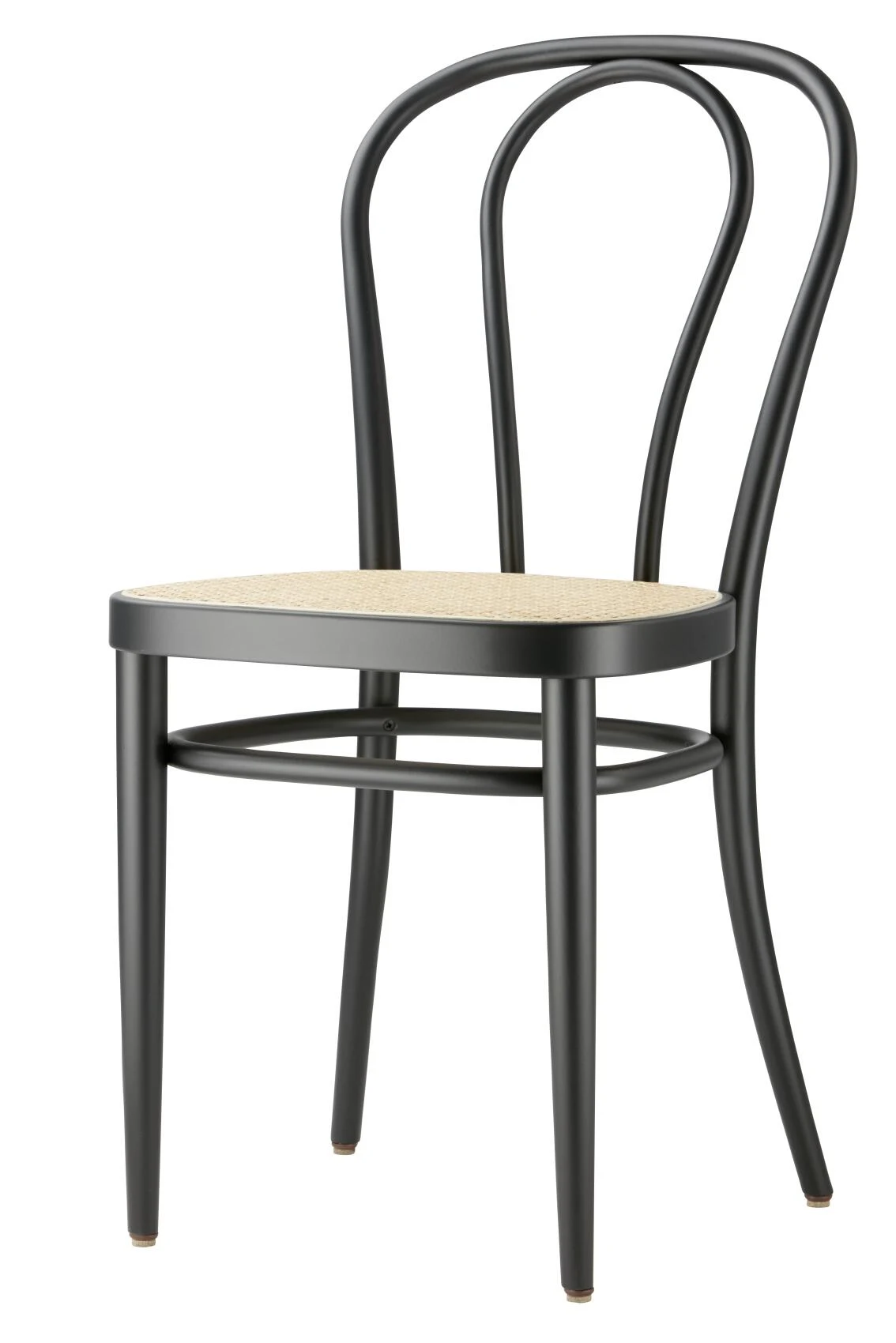
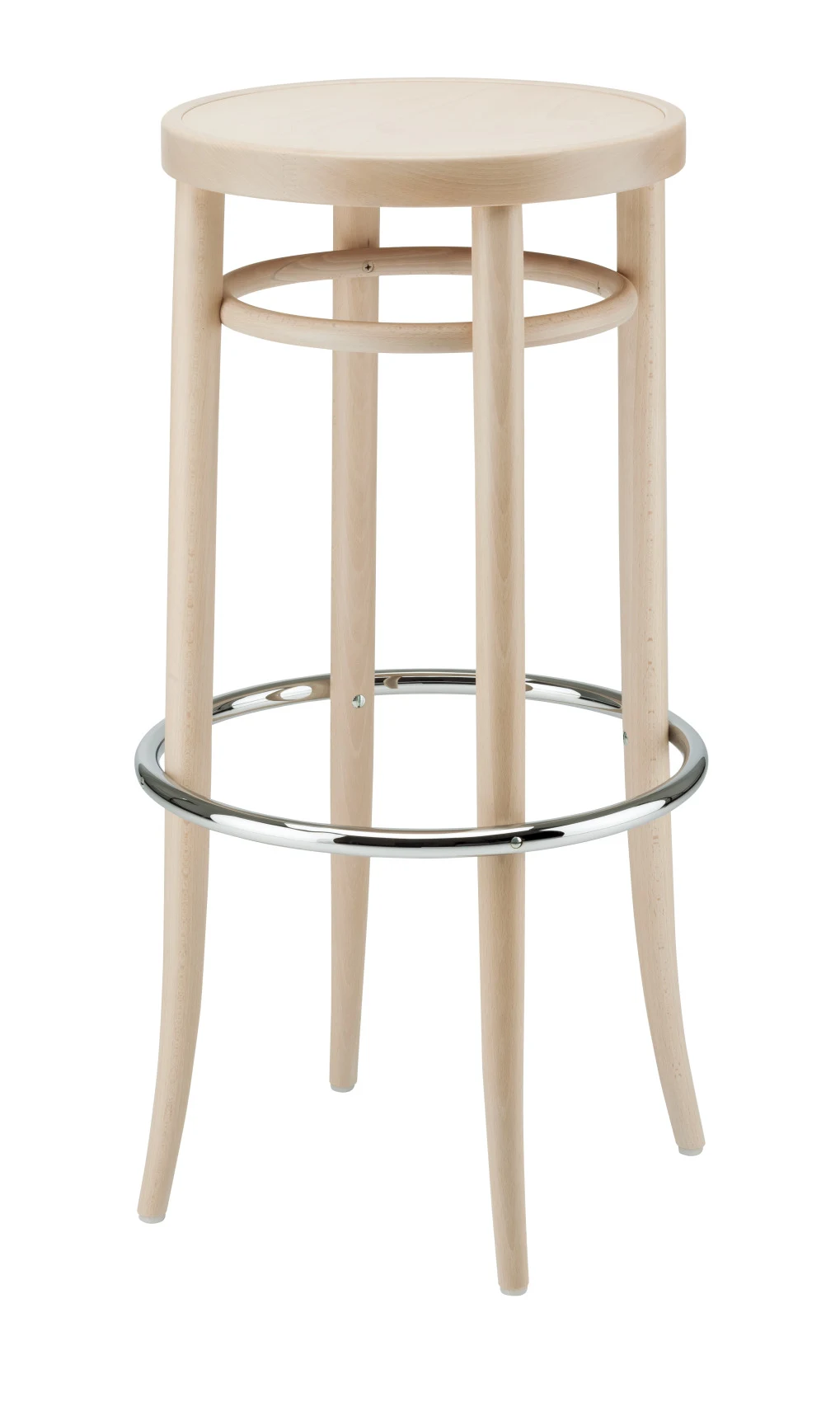
Image source: Thonet — 209 Bentwood Chair
© Thonet and the respective rights holders. Quoted to accompany INTEBEE's independent design commentary and research.
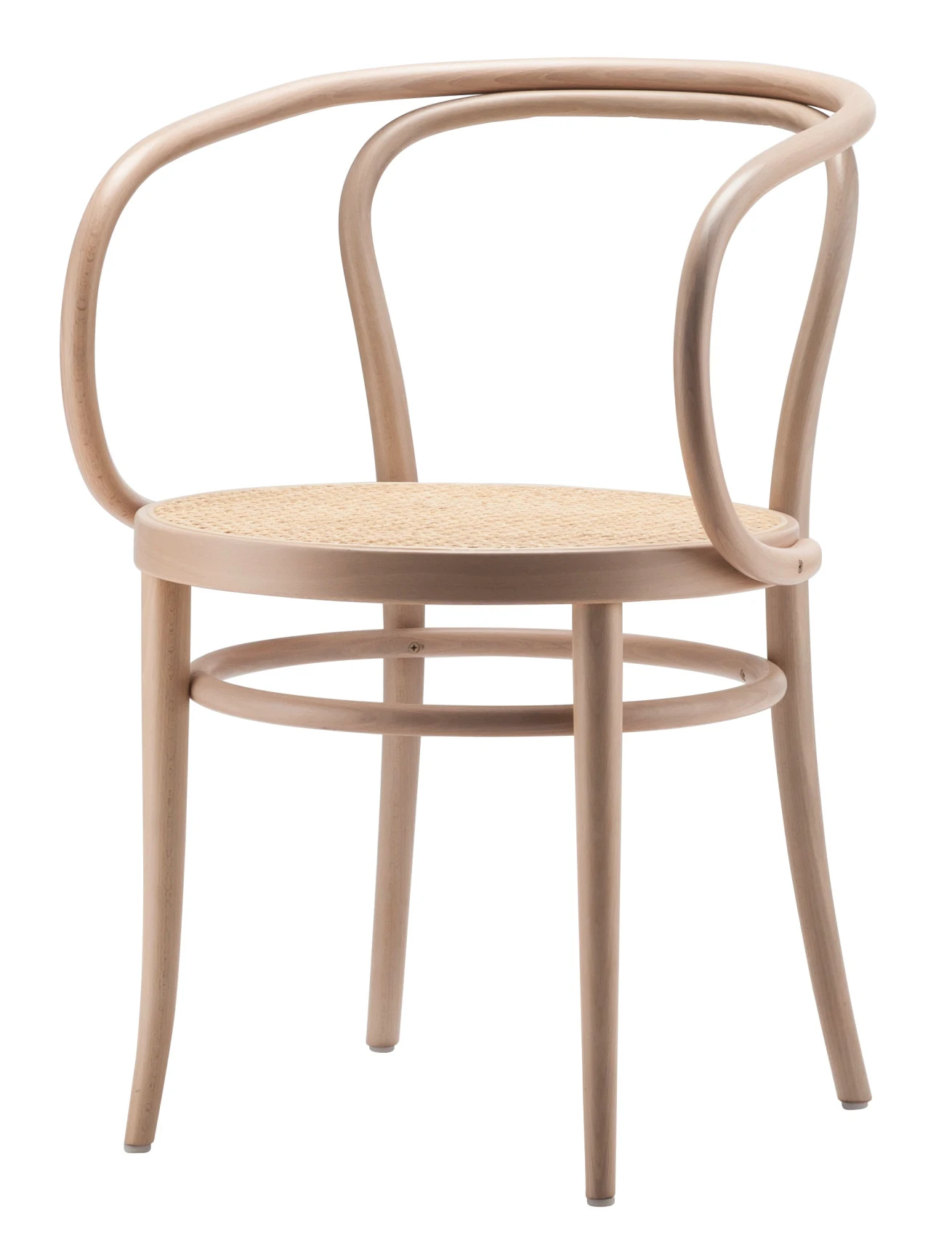
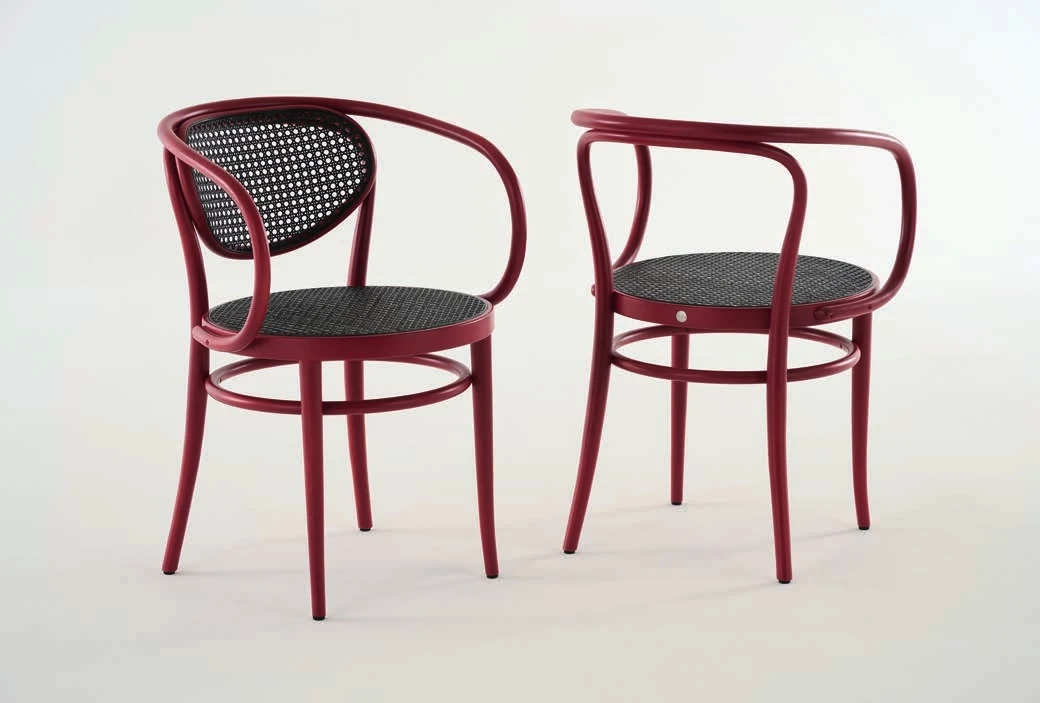
209 Bentwood Chair
Thonet's bentwood armchair of 1900, its back and arms bent from a single piece of beech.


540 × 750 × 570 mm
1900
Germany
Official product information
INTEBEE AI PUBLIC LIBRARY is an independent furniture design research and discovery platform. Product specifications, finishes, availability and other details may change. For current and definitive information, please refer to the manufacturer's official website.
Go to the official product pageSpecifying 209 Bentwood Chair for your design project?
INTEBEE is the FF&E specification platform for interior designers: spec sheets, finishes, floor plans and client-ready PDFs in one place.
Description
Overview
The 209 is a bentwood armchair credited on Thonet's page to Gebrüder Thonet, 1900. A single bent piece of solid beech forms both backrest and armrest, and the seat is canework with supporting synthetic mesh. Thonet notes that, like the original model 214, it consists of only six parts.
Construction
The projecting frame, which forms back and armrest in one, is bent from one length of solid beech wood. The brochure lists the frame wood as beech, clear varnished or stained in six colours, and the seat weave as canework on a synthetic support mesh, also offered in a dark melange. The 209 P has an upholstered seat; the related 210 R and 210 P have a different back.
Specifications
- Dimensions (209): W 54 cm x D 57 cm x H 75 cm
- Seat height: 46 cm
- Armrest height: 70 cm
- Weight: 3.5 kg
- Made in: Frankenberg, Germany
Story
One bent frame
Thonet calls the 209 a masterpiece of construction and production: the frame that carries back and arms is bent in one piece from solid beech, and, like no. 214, the chair needs only six parts. The company adds that its reduced, organic form makes it look almost like a sculpture.
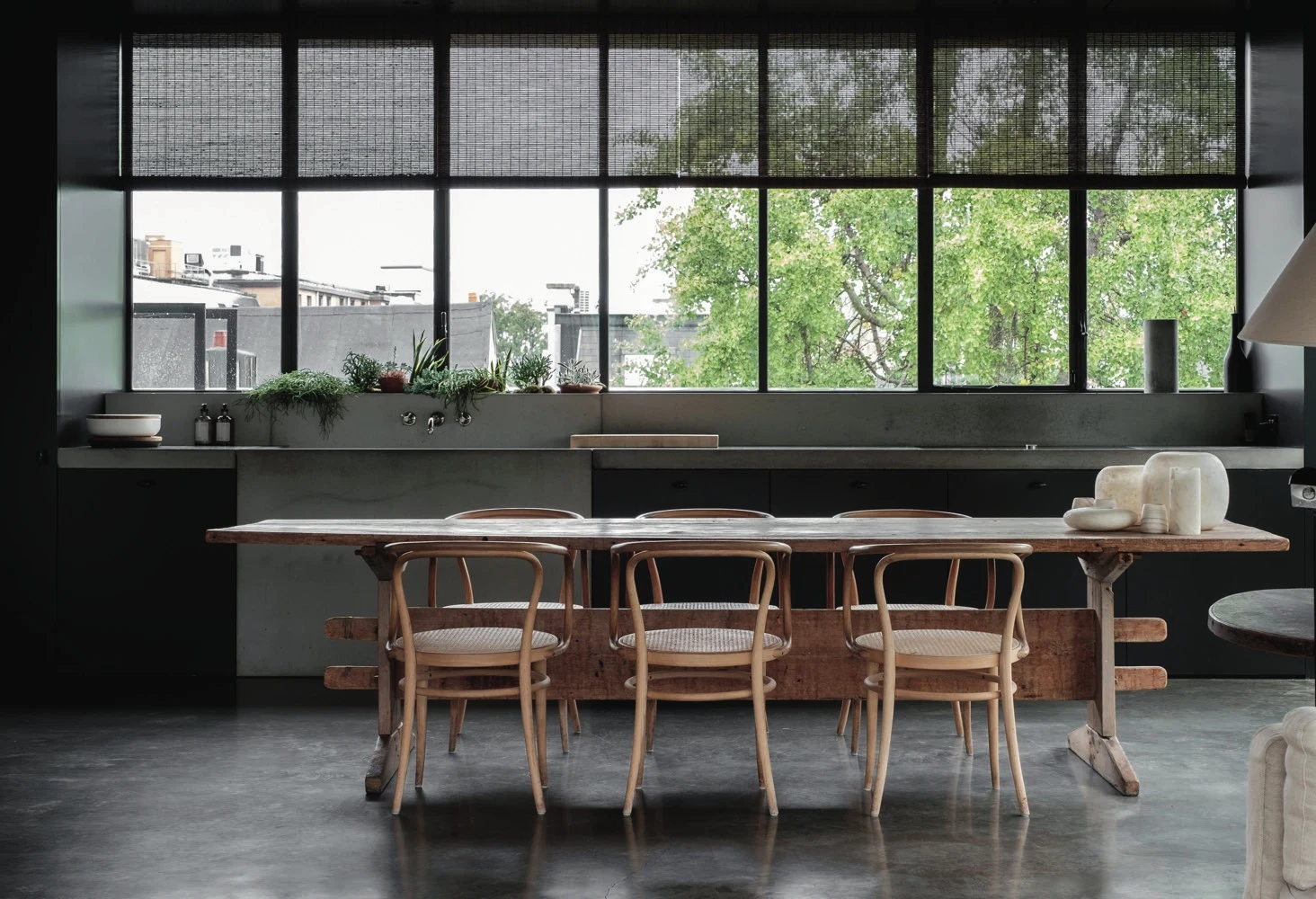 Image source: Thonet — 209 Bentwood Chair · © Thonet and the respective rights holders. Quoted to accompany INTEBEE's independent design commentary and research. · View official product page ↗ · Image use & copyright policy
Le Corbusier's choice
Thonet writes that the Swiss architect Le Corbusier was fascinated by the chair and used it in many of his buildings, among them the Weissenhof Estate in Stuttgart in 1927, and that he remarked of it that it "possesses nobility." The page dates the chair to 1900 and credits Gebrüder Thonet, the Vienna firm that Michael Thonet's sons joined in 1853.