
Designer
Paul McCobb
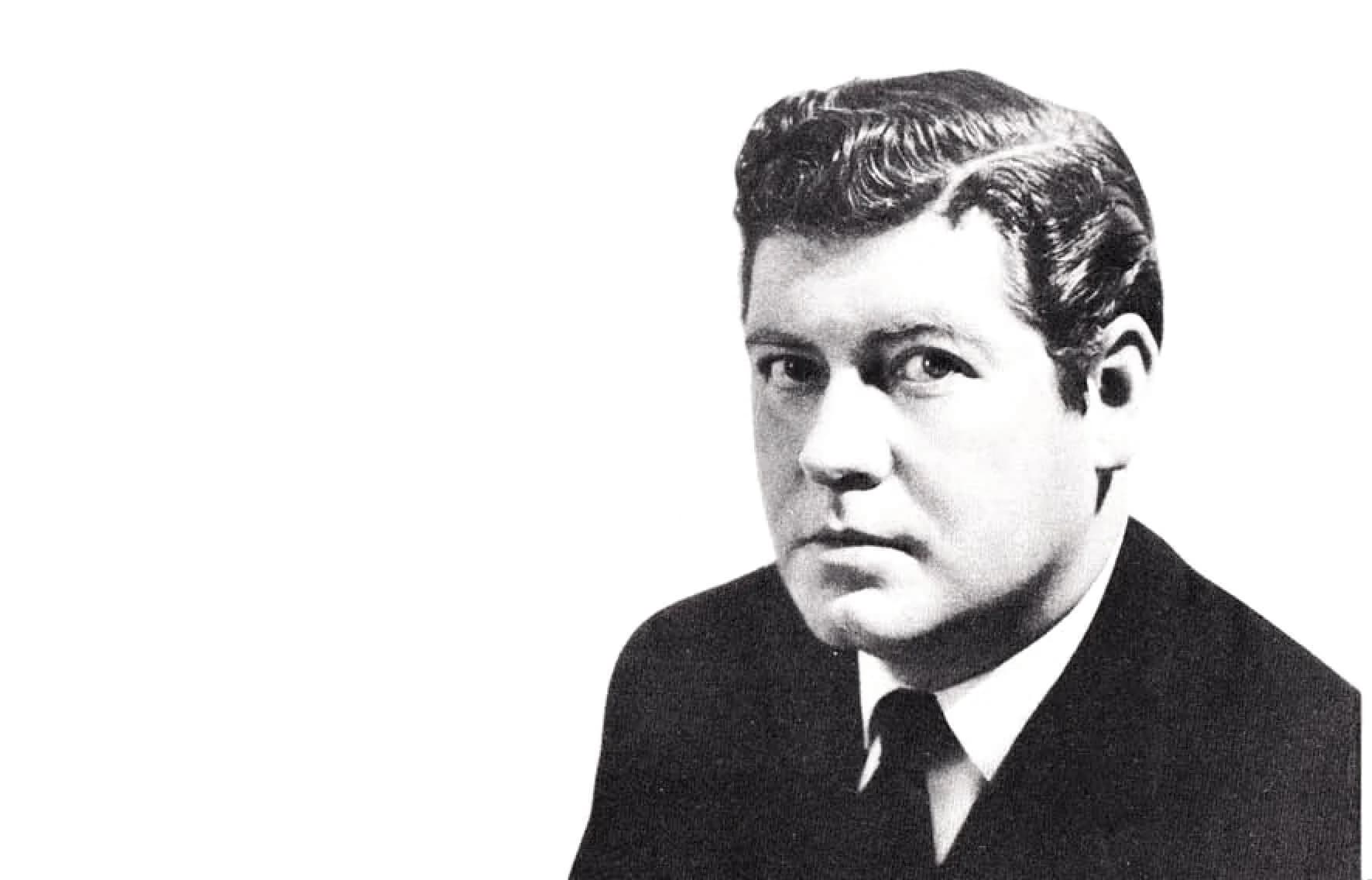
Paul Winthrop McCobb was born on 5 June 1917 in Medford, Massachusetts. An artist's career was his aim from early on, and he took drawing and painting courses at the Vesper George School of Art in Boston, which he left unfinished. He…
Biography
Background
Paul Winthrop McCobb was born on 5 June 1917 in Medford, Massachusetts. An artist's career was his aim from early on, and he took drawing and painting courses at the Vesper George School of Art in Boston, which he left unfinished. He enlisted in the US Army in December 1942, served in the Camouflage Corps and was released on medical discharge in 1943. Fritz Hansen says he moved from Boston to New York to pursue his dream of becoming a designer and was completely self-taught.
Signature Style
Fritz Hansen writes that perspective and scale became his trademark, with tables, shelves and even lamps the result of meticulous attention to the room the design would inhabit. Thin lines, simplicity of form and a distinct lightness characterise his work; he was a realist and a perfectionist, and his recipe was no-nonsense design in which only the essential is required for both functionality and aesthetics.
Notable Works
McCobb came to prominence in 1948 as a design and decorating consultant for Modernage Furniture in New York. His Planner line, made by the Winchendon Furniture Company, was among the best-selling contemporary lines of the 1950s and stayed in production from 1949 until 1964. Other lines include Predictor, the Calvin Group, Directional, the Irwin Group and the Connoisseur Collection; he also designed radios and televisions for CBS-Columbia and hi-fi consoles for Bell & Howell.
Legacy
McCobb died in New York on 10 March 1969, aged 51. Since 2016 the rights to his furniture designs have been managed by Form Portfolios, and Fritz Hansen relaunched his Planner coffee tables. His work is in the collections of the Brooklyn Museum, the San Francisco Museum of Modern Art, the Art Institute of Chicago, the Cleveland Museum of Art and Cooper Hewitt, and the Museum of Modern Art gave him Good Design awards in 1950, 1951, 1953 and 1958.