
 fredericia.com
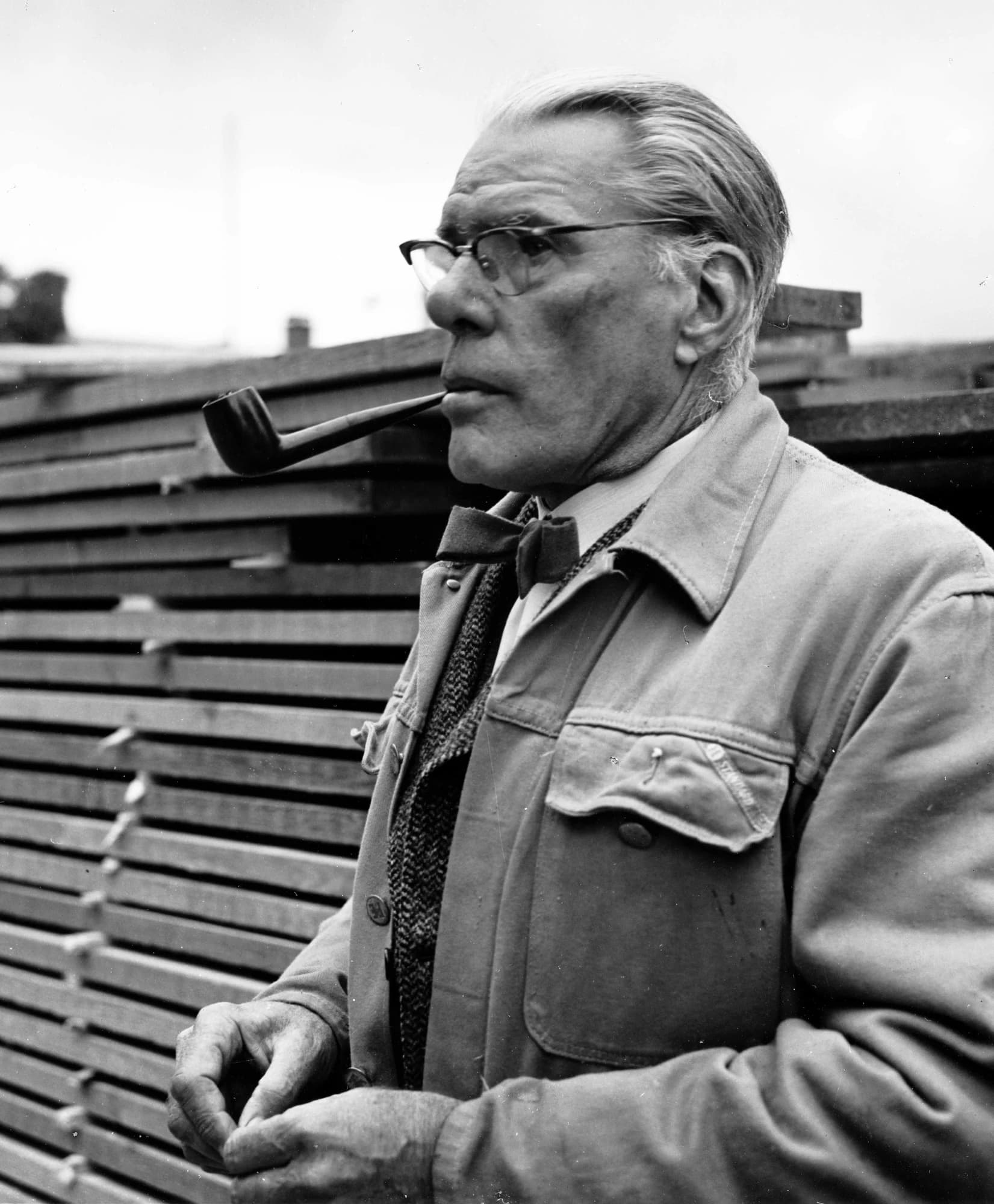
Image source: Mogens Koch
© The respective rights holders. Quoted to accompany INTEBEE's independent design commentary and research.
Designer
Mogens Koch
Mogens Koch (1898-1992) is presented on Fredericia's designer page as a figure who quietly shaped Danish furniture design through an uncompromising commitment to clarity, craftsmanship and functional elegance. After training as an…
Biography
Background
Mogens Koch (1898-1992) is presented on Fredericia's designer page as a figure who quietly shaped Danish furniture design through an uncompromising commitment to clarity, craftsmanship and functional elegance. After training as an architect and graduating in 1925, he went back to the Royal Danish Academy as a teacher, and he was professor of architecture there from 1950 to 1968. In 1934 he established a studio with his cousin Peter, working across furniture, architecture, textiles and typography.
Signature Style
Koch applied architectural rigour to furniture and refined every detail with precision and restraint. Fredericia names Kaare Klint as a mentor and Børge Mogensen as a peer, and says Koch drew on historical forms, distilling their enduring qualities into simple, modern pieces with honest materials, precise joinery and a tactile quality. The page says Koch saw design as a question of necessity rather than style, with each piece answering a need of daily life.
Notable Works
- MK Bookcase System, created in 1928 and carried forward by Fredericia, with the MK54, MK55, MK56, MK66, MK67 and MK68 bookcases and the MK73 Cabinet
- MK16 Folding Chair, which the designer page dates to 1932
- Textiles made with his wife, Ea Koch, in which sketches and watercolours became tapestries of geometric simplicity and calm palettes
Legacy
Fredericia places Koch's work among the finest expressions of Danish functionalism, more discreet than that of contemporaries such as Hans J. Wegner, Børge Mogensen and Arne Jacobsen. Through teaching and practice, it says, he helped define the principles of Danish Modern. The page quotes him: “The greatest purity of form is revealed in the everlasting, liberated from passing trends. This is why the simplest thing, like the bookcase system is forever contemporary.”
Collections

Products
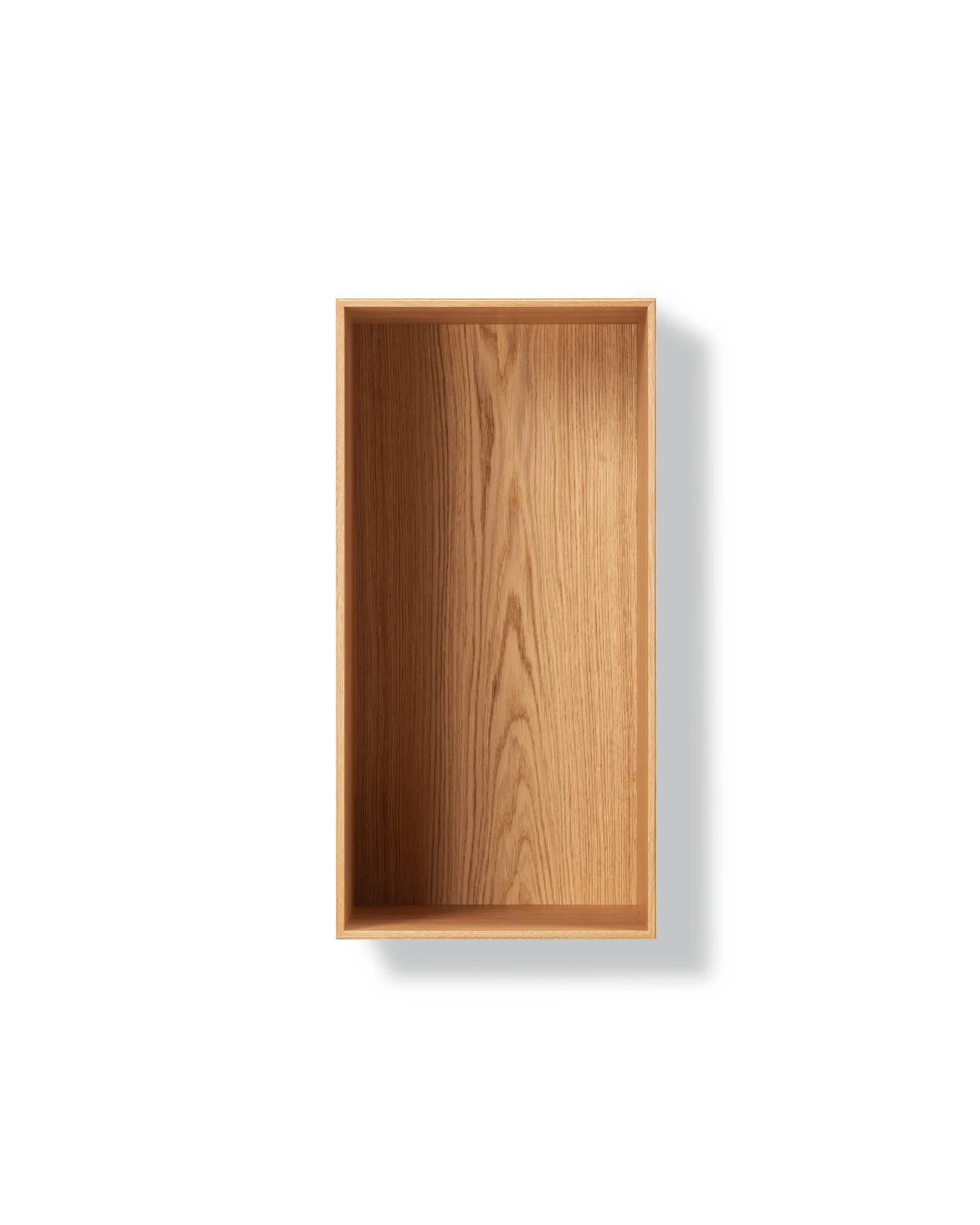
MK68 Bookcase
MK68 Bookcase (6068) by Mogens Koch: a solid oak module with fixed shelves, 38 x 36 x 76 cm.
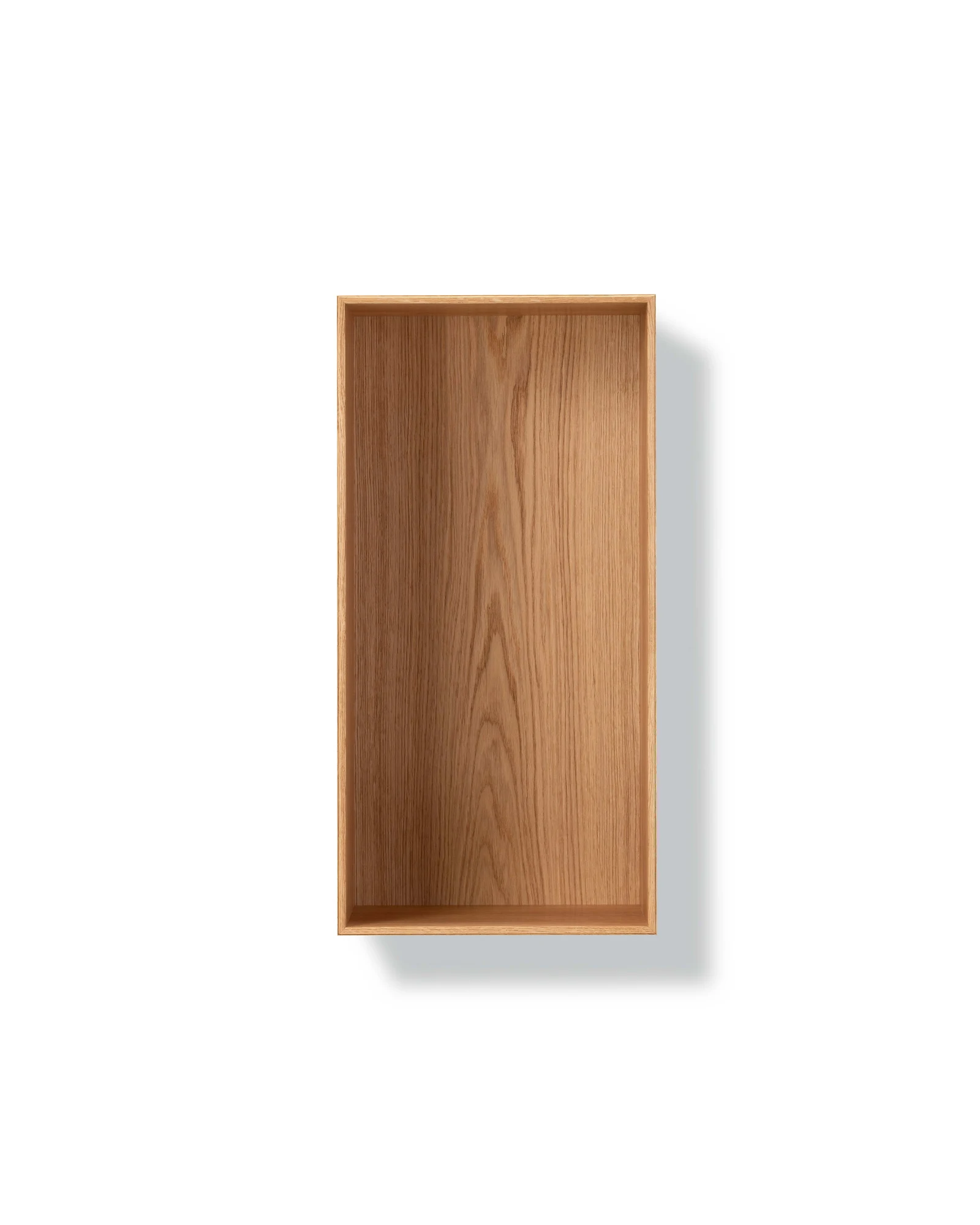
MK56 Bookcase
MK56 Bookcase (6056) by Mogens Koch: a compact solid oak module, 38 x 28 x 76 cm.
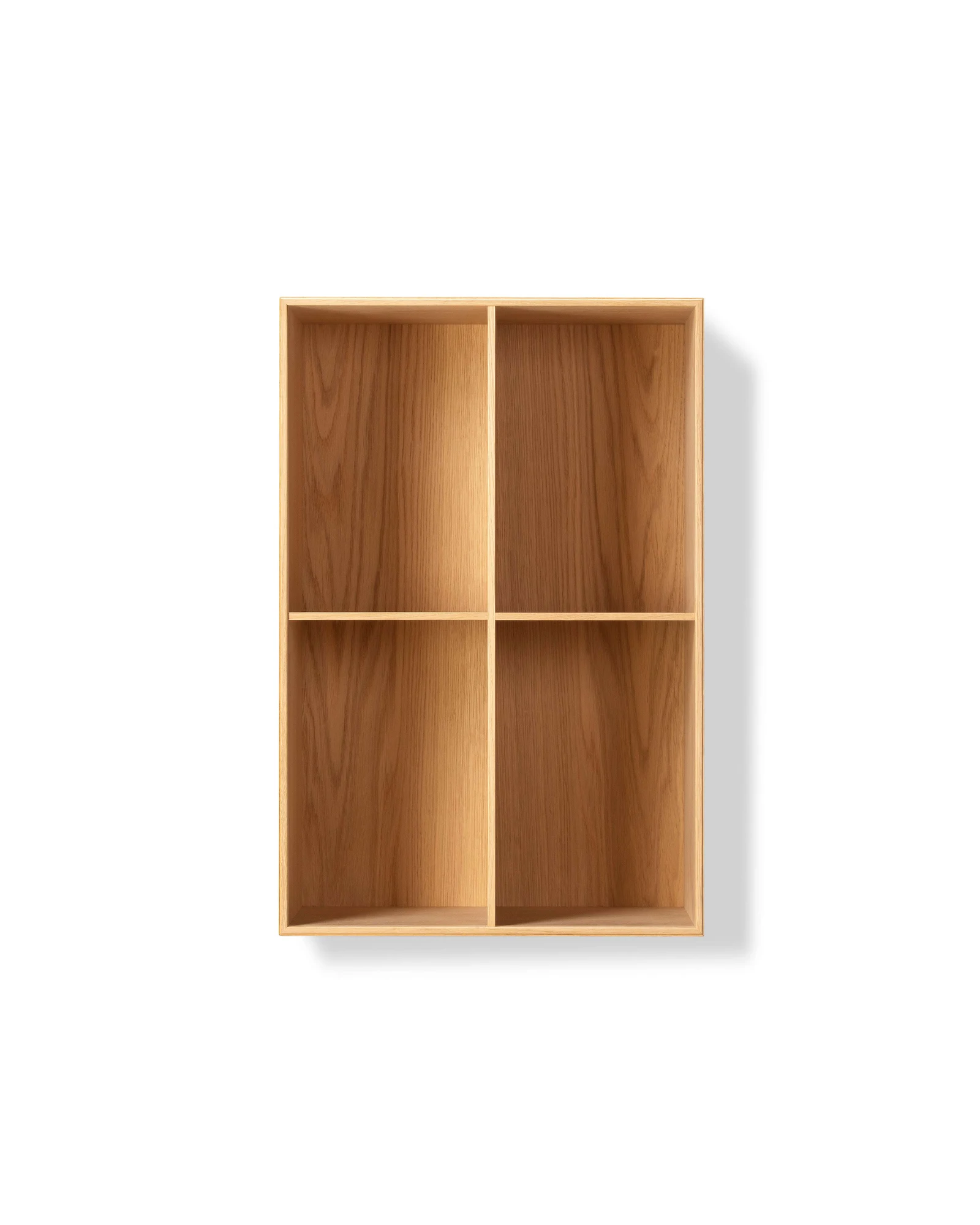
MK67 Bookcase
MK67 Bookcase (6067) by Mogens Koch: a compact solid oak module, 51 x 36 x 76 cm.
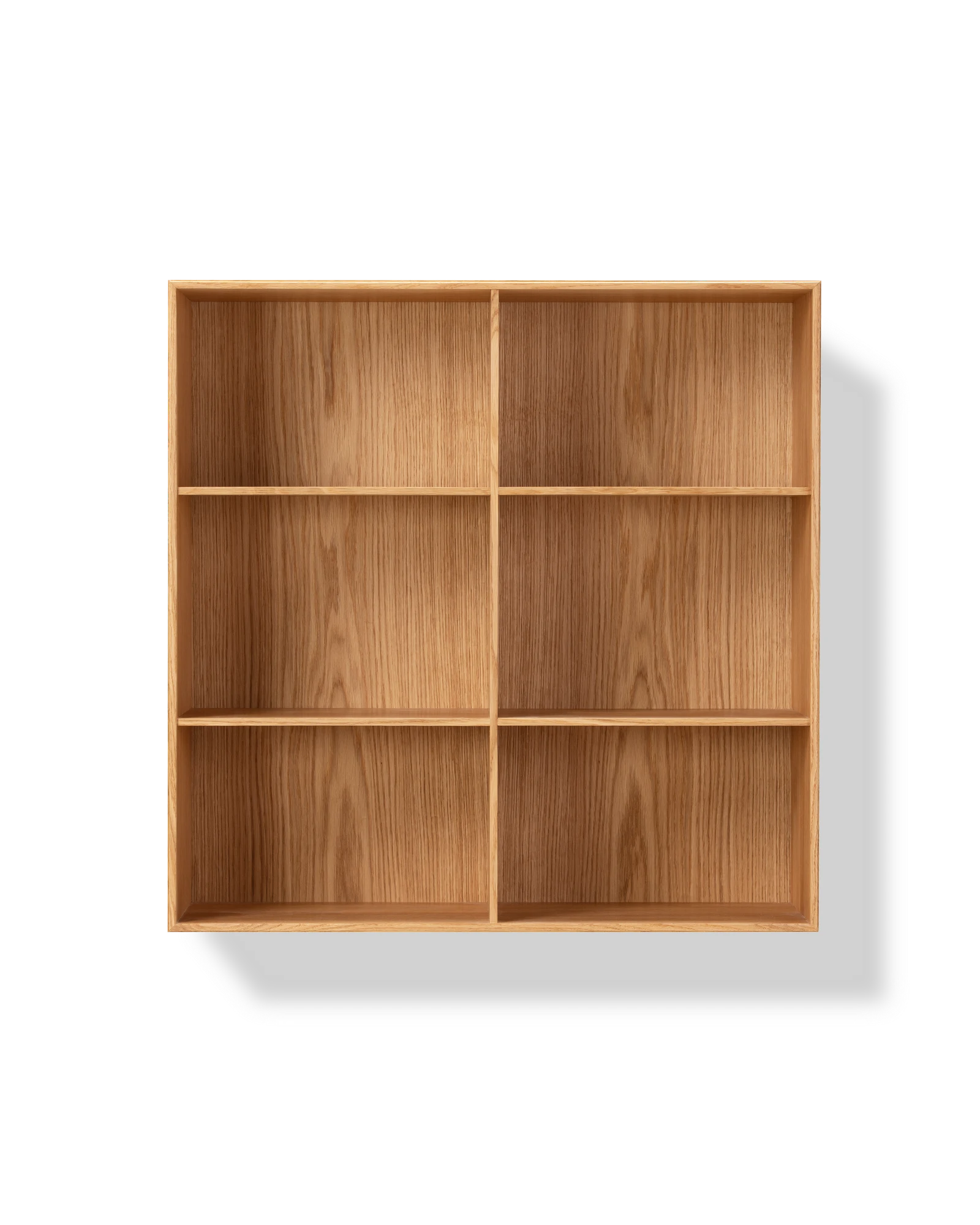
MK54 Bookcase
MK54 Bookcase (6054) by Mogens Koch: a solid oak square with six compartments, 76 x 28 x 76 cm.
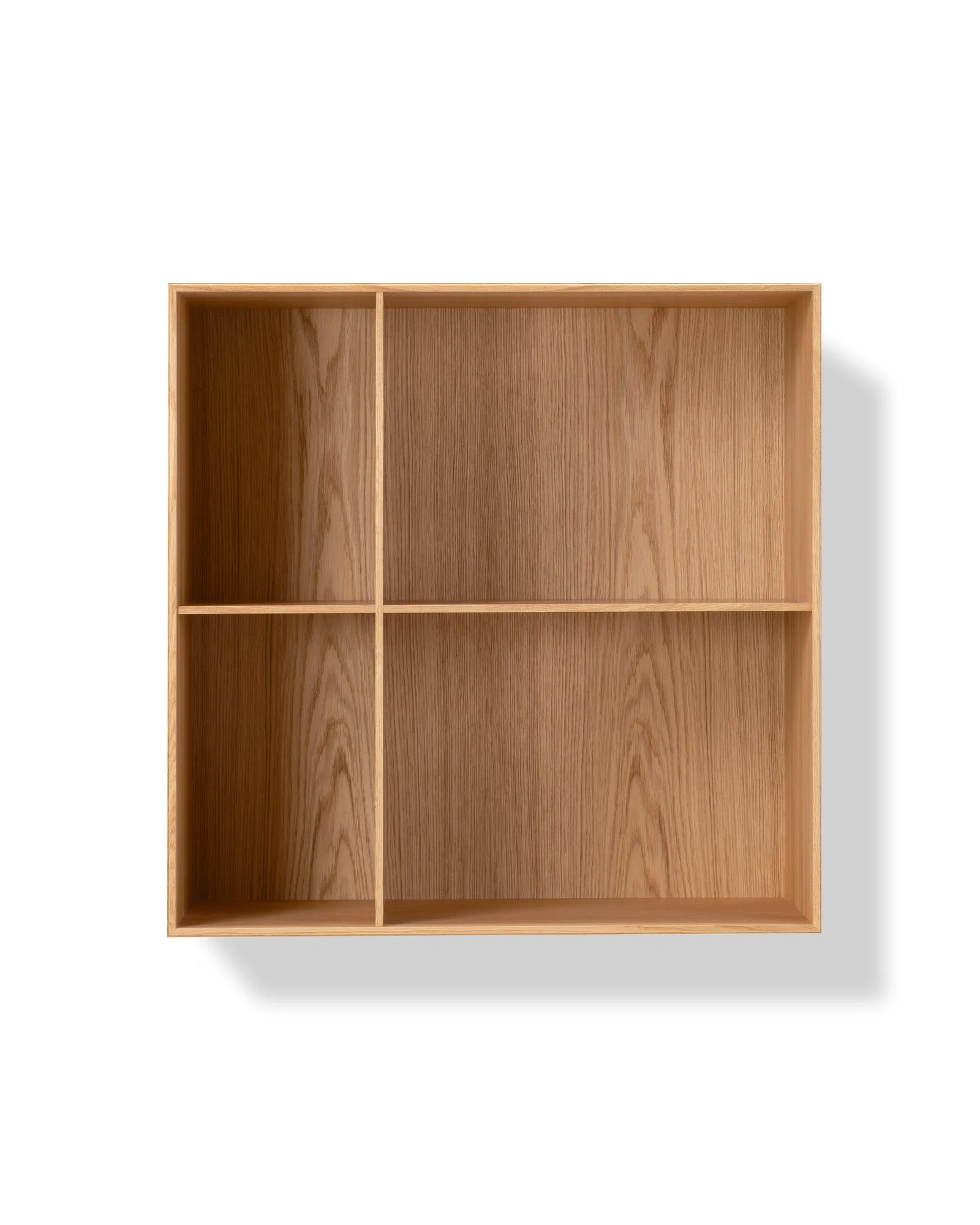
MK66 Bookcase
MK66 Bookcase (6066) by Mogens Koch: a four-compartment solid oak module, 76 x 36 x 76 cm.
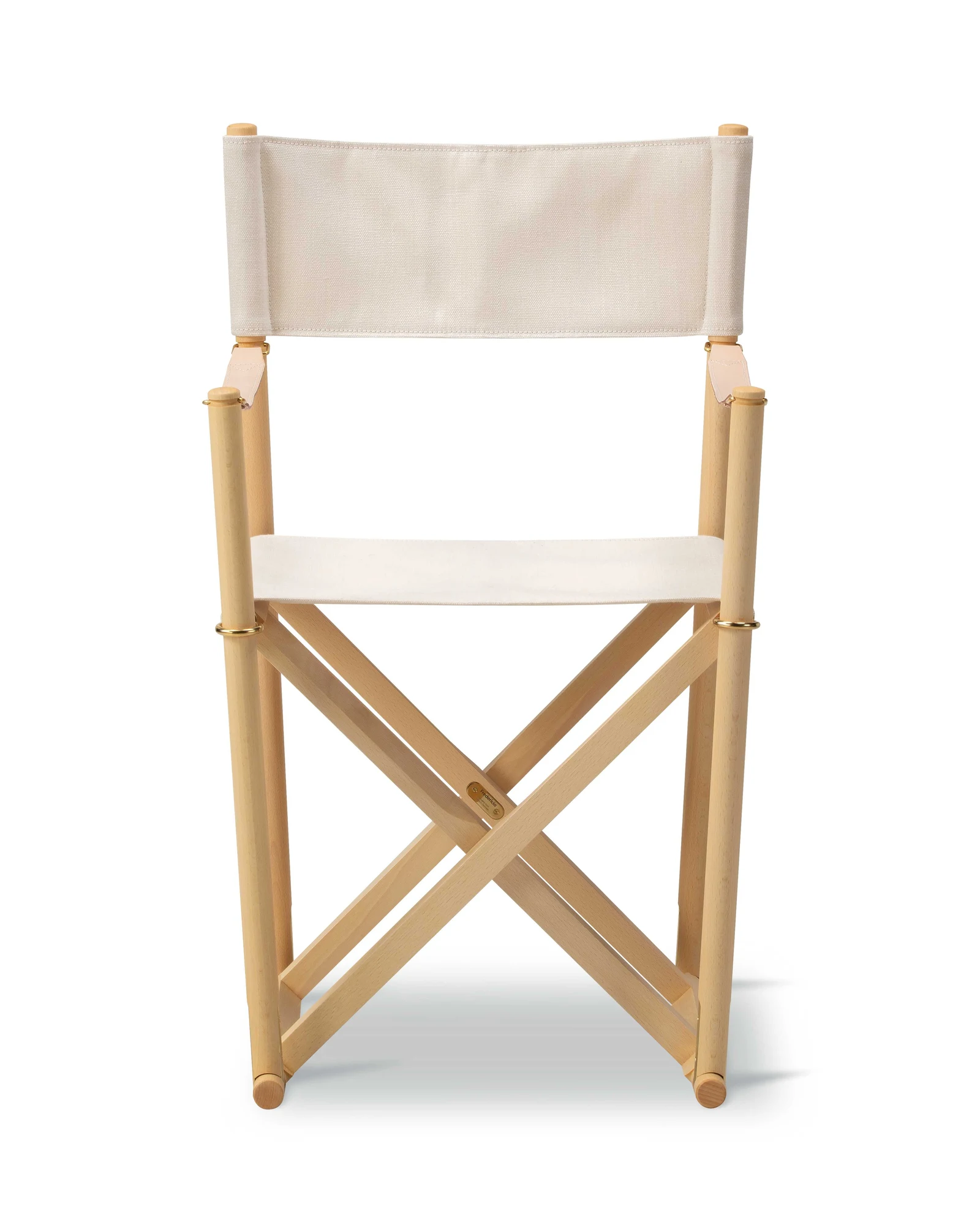
MK16 Folding Chair
Mogens Koch's MK16 Folding Chair (6016): solid wood, saddle leather armrests, cotton canvas seat.
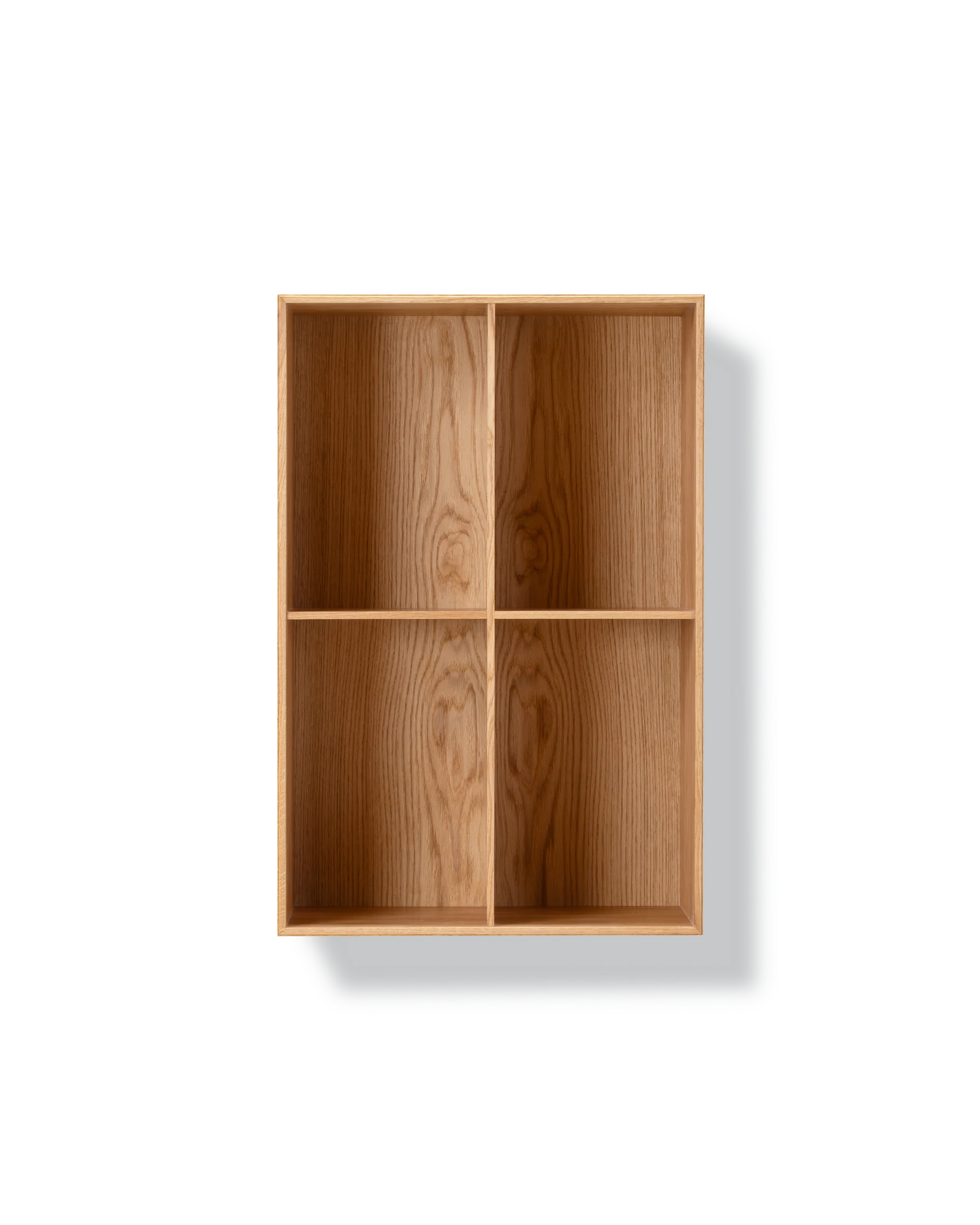
MK55 Bookcase
MK55 Bookcase (6055) by Mogens Koch: a compact solid oak module, 51 x 28 x 76 cm.
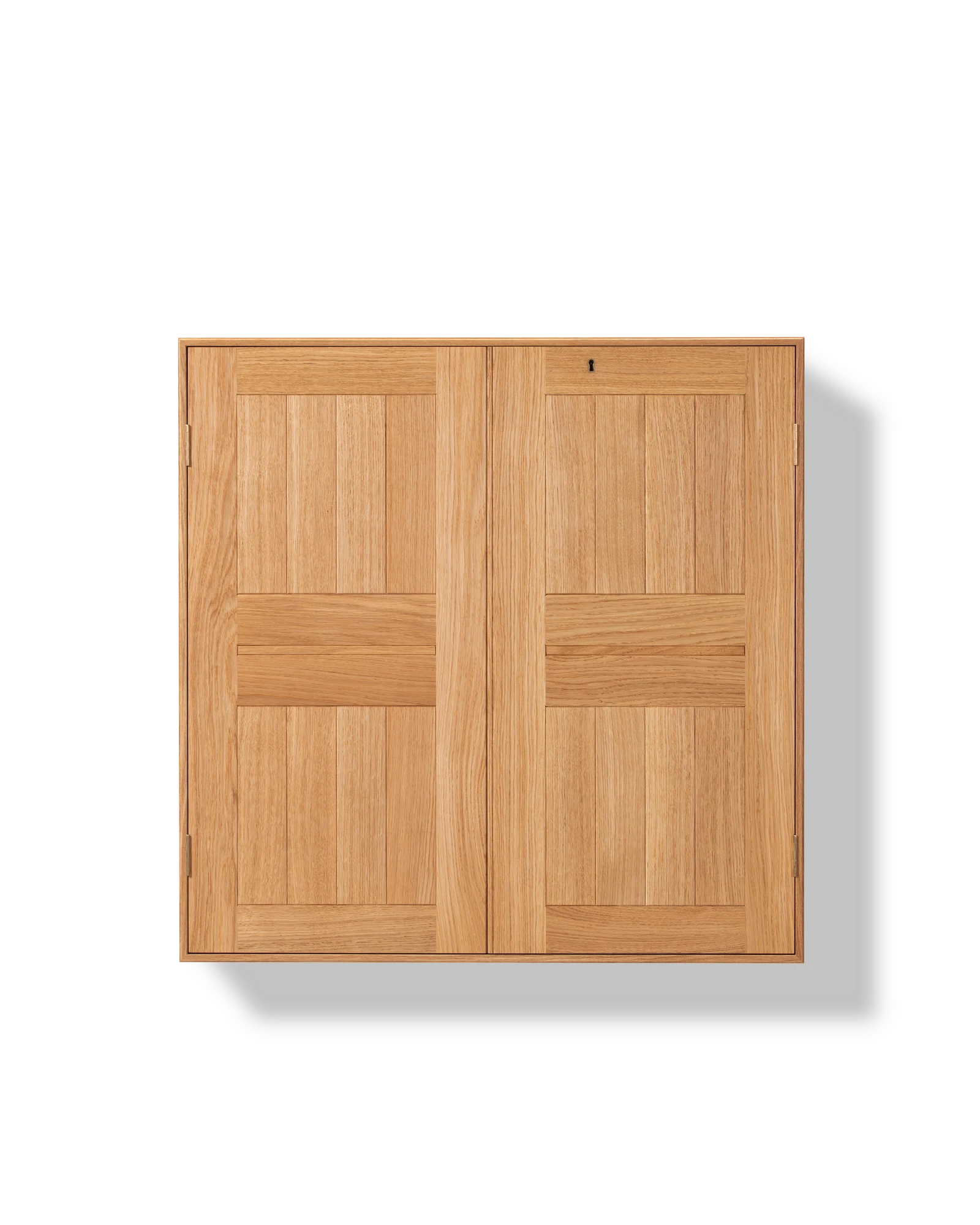
MK73 Cabinet
MK73 Cabinet (6073) by Mogens Koch: a solid oak cabinet with double panelled doors, 76 x 36 x 76 cm.
