
 birselplusseck.com
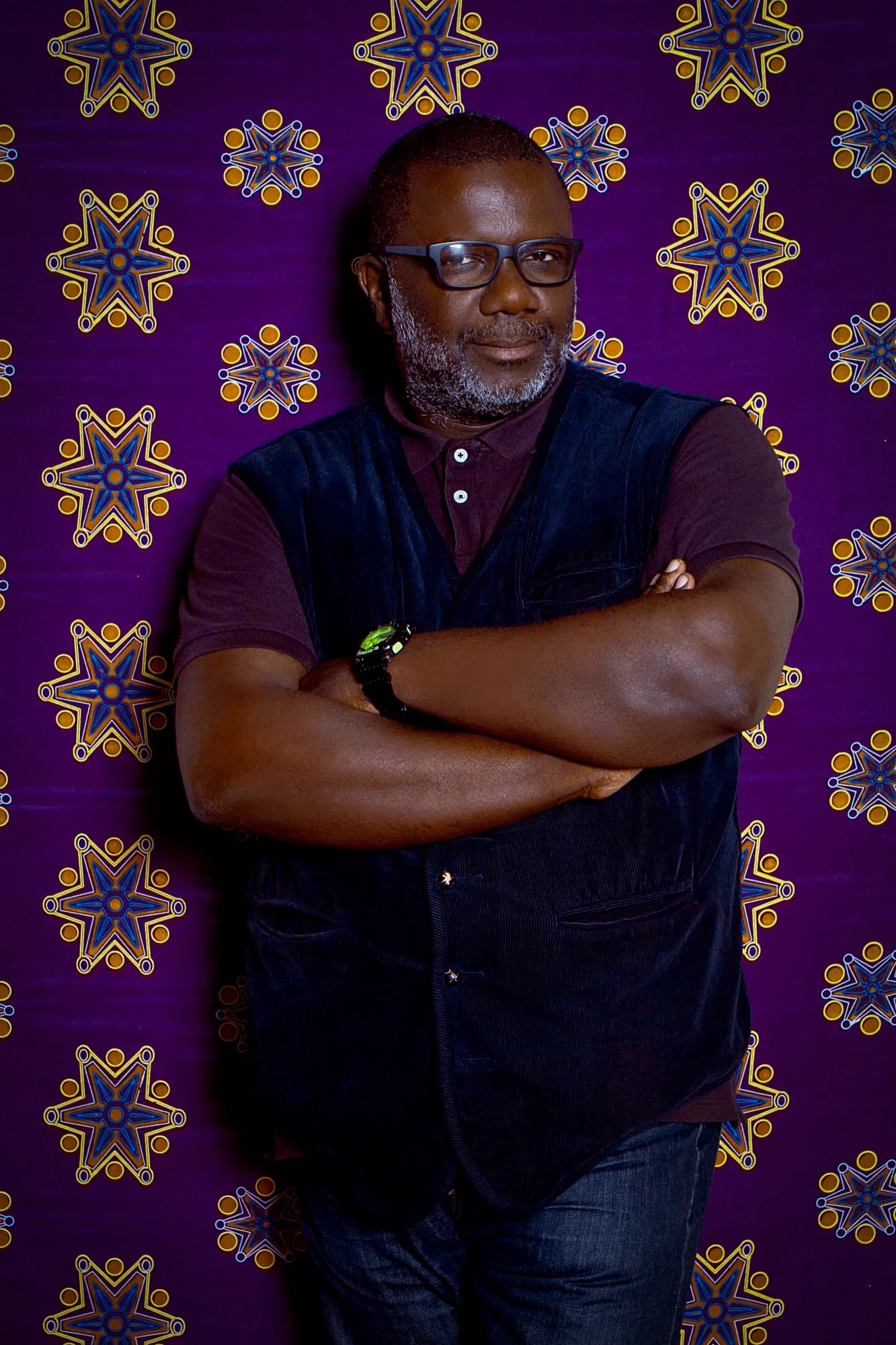
Image source: Bibi Seck
© The respective rights holders. Quoted to accompany INTEBEE's independent design commentary and research.
Designer
Bibi Seck
Bibi Seck is a multidisciplinary designer with a background in automotive and industrial design and a commitment to design as a tool for cultural and economic impact. He spent twelve years at Renault, where he led the design of the Scénic…
Biography
Background
Bibi Seck is a multidisciplinary designer with a background in automotive and industrial design and a commitment to design as a tool for cultural and economic impact. He spent twelve years at Renault, where he led the design of the Scénic II and the Trafic Van, and in 2004 he co-founded the New York design studio Birsel + Seck with Ayse Birsel. He moved from Paris to New York, where he and Birsel became partners.
Signature Style
Seck brings manufacturing expertise and systems thinking to the studio's work. His partner describes him as the one who knows how things are made and sees designs through engineering, development and production, while the two share the early ideation phase.
Notable Works
His work includes the F1 Micrograph watch for Tag Heuer, which won the top prize at the Prix d'Horlogerie de Genève in 2002. At Birsel + Seck he has worked on products for Herman Miller, Hewlett Packard and Moroso, including the Overlay system of freestanding, movable walls and Teneo Storage Furniture for Herman Miller. For Chanel's le19M initiative he designed the Laak Jom collection, a bench, lounge chair and tables made from shredded non-recyclable plastics and birch plywood.
Legacy
Seck promotes design in Africa: he curated the exhibit Design 4 People at the 2012 Design Biennial in Dakar, co-founded the African food festival AfroEats, and designed the Chanel 19M exhibit and furniture in Dakar, Senegal. He has taught at Strate Collège, the Université Technologique de Compiègne and Pratt Institute.