Brand
Lumina
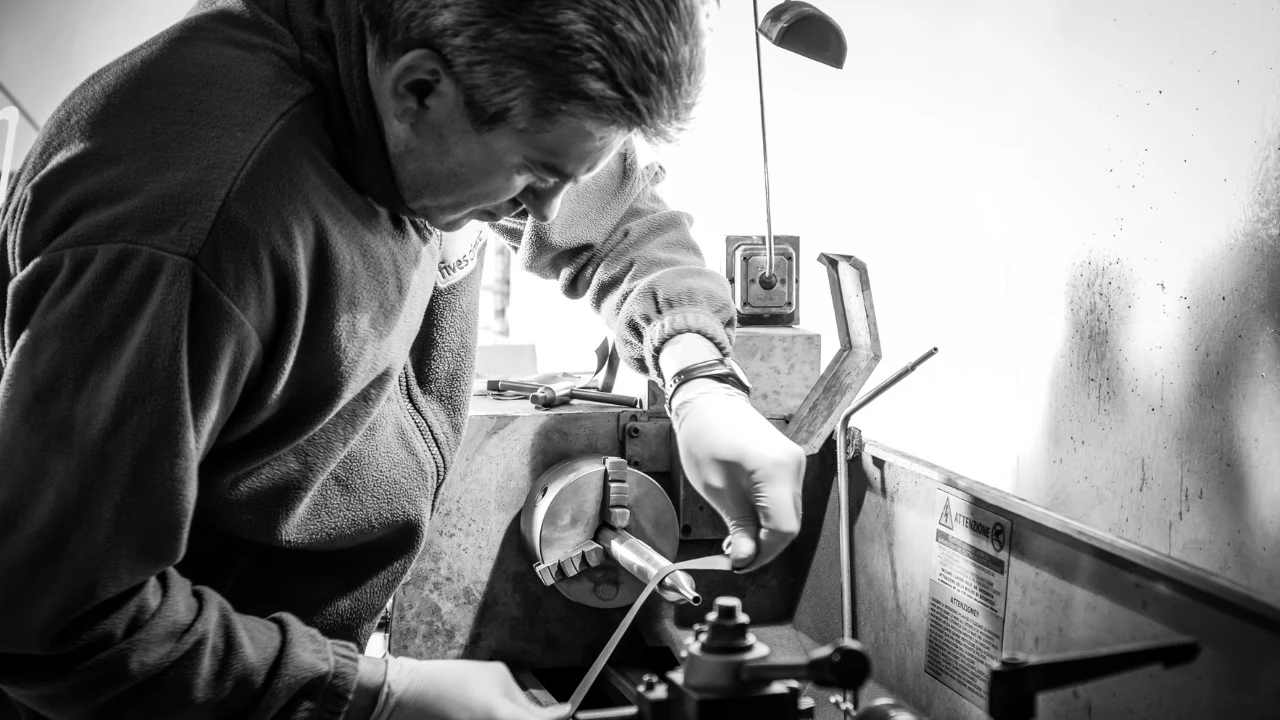
ItalyLumina grew out of the vision of Tommaso Cimini. In the mid-1970s, with his ingenuity and deep knowledge of materials, Cimini retooled the machines in his workshop in Sedriano, near Milan, to create the Daphine, a lamp that became a…
Brand Story
Heritage
Lumina grew out of the vision of Tommaso Cimini. In the mid-1970s, with his ingenuity and deep knowledge of materials, Cimini retooled the machines in his workshop in Sedriano, near Milan, to create the Daphine, a lamp that became a timeless icon of Italian design. He set up the company in Sedriano in 1980, at the start of a decade of post-modernism, Memphis and Alchimia, already convinced of one principle: it is function that generates form.
Philosophy
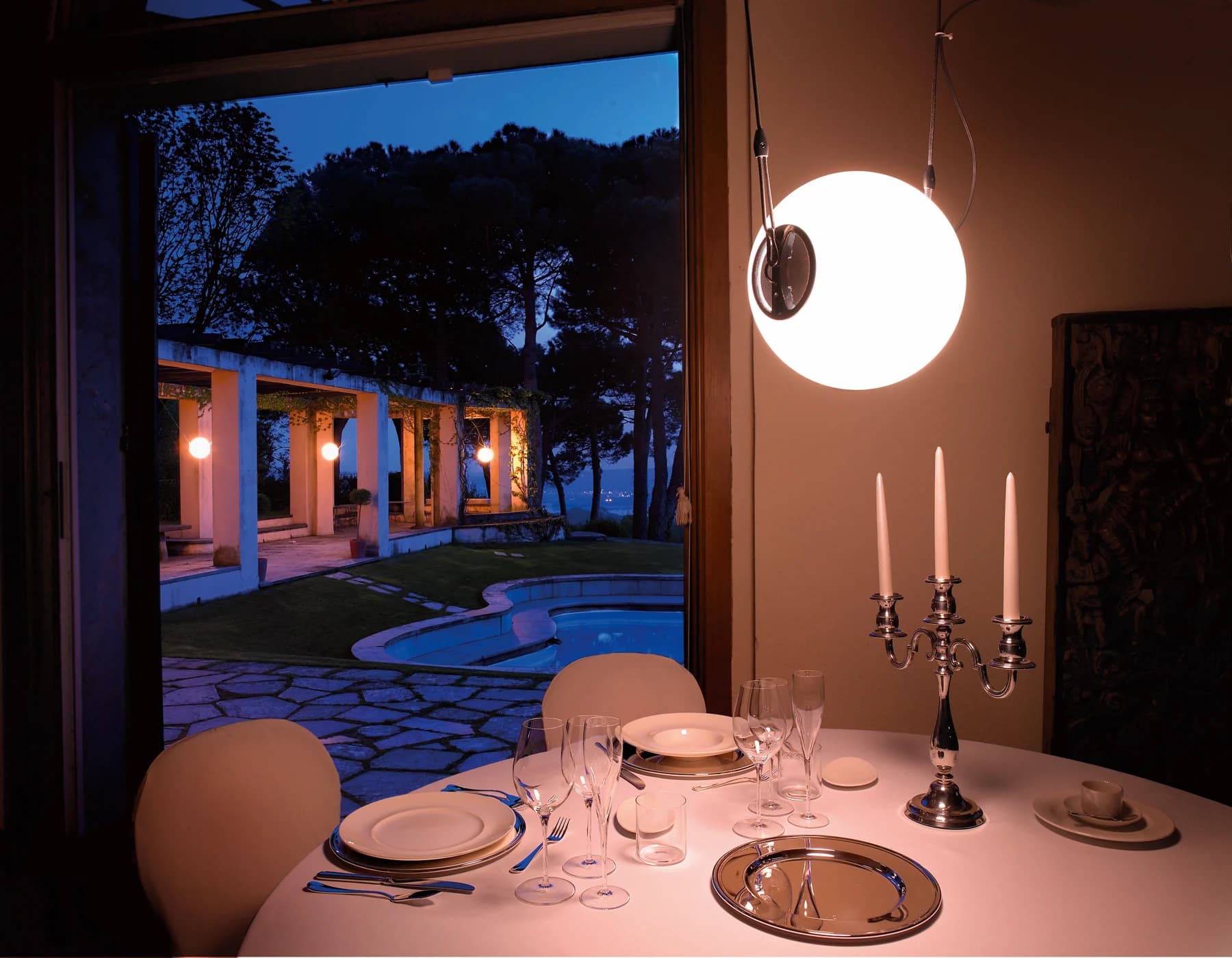
The company sums up its approach as "Lots of light, not much lamp". Its manifesto describes Lumina as Production, Design and Culture: technique and materials in skilled hands, light used to design environments and tell human stories, and industrial design as a laboratory of imagination. Lumina aims for lamps that last over time, lightweight in structure, made with precision engineering — nothing more, nothing less.
Iconic Works
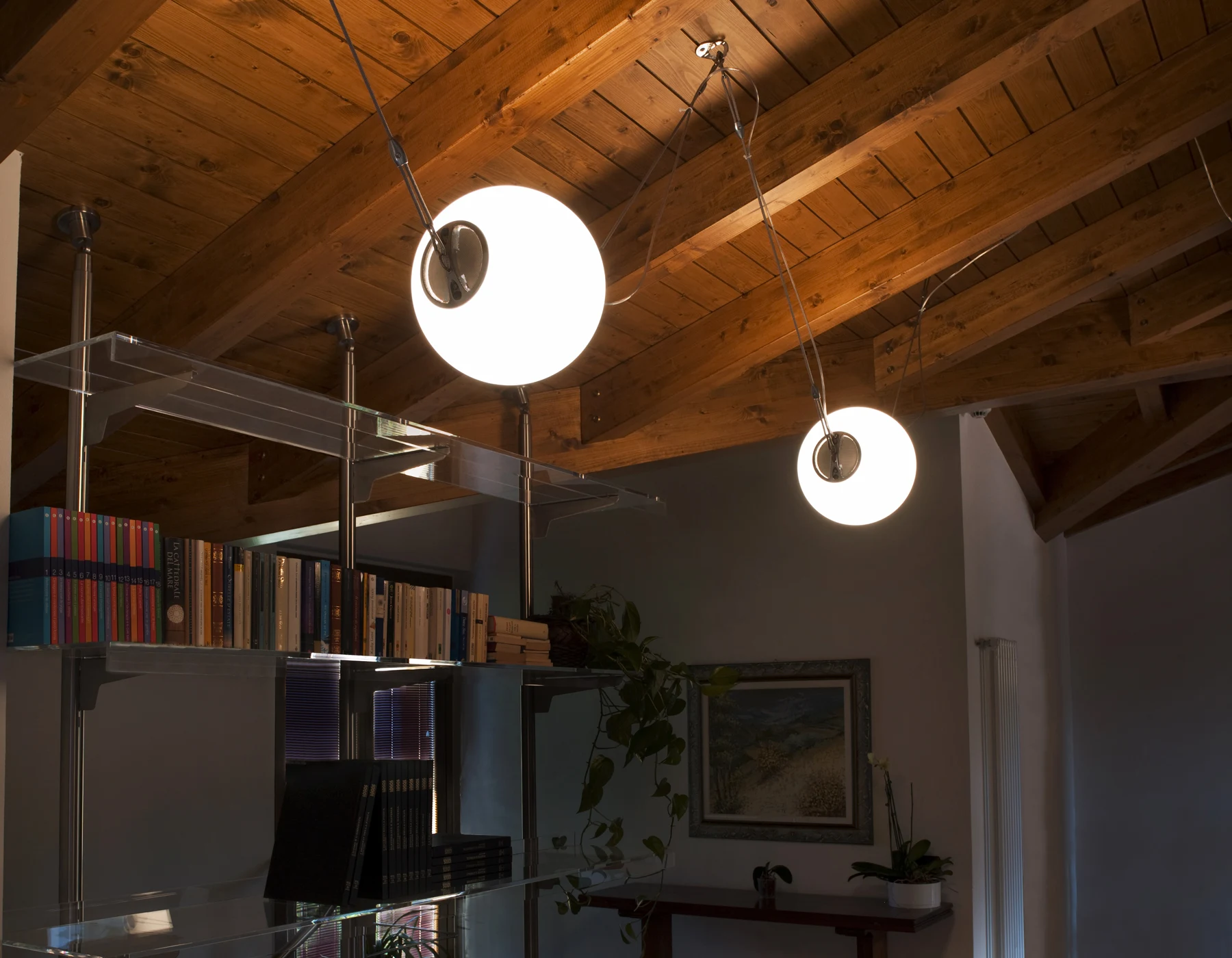
- Daphine (Tommaso Cimini, 1976) and its family: Daphine Terra, Daphine Parete, Daphinette, Daphine Cilindro and Daphine Cloe
- Elle (Tommaso Cimini, 1984)
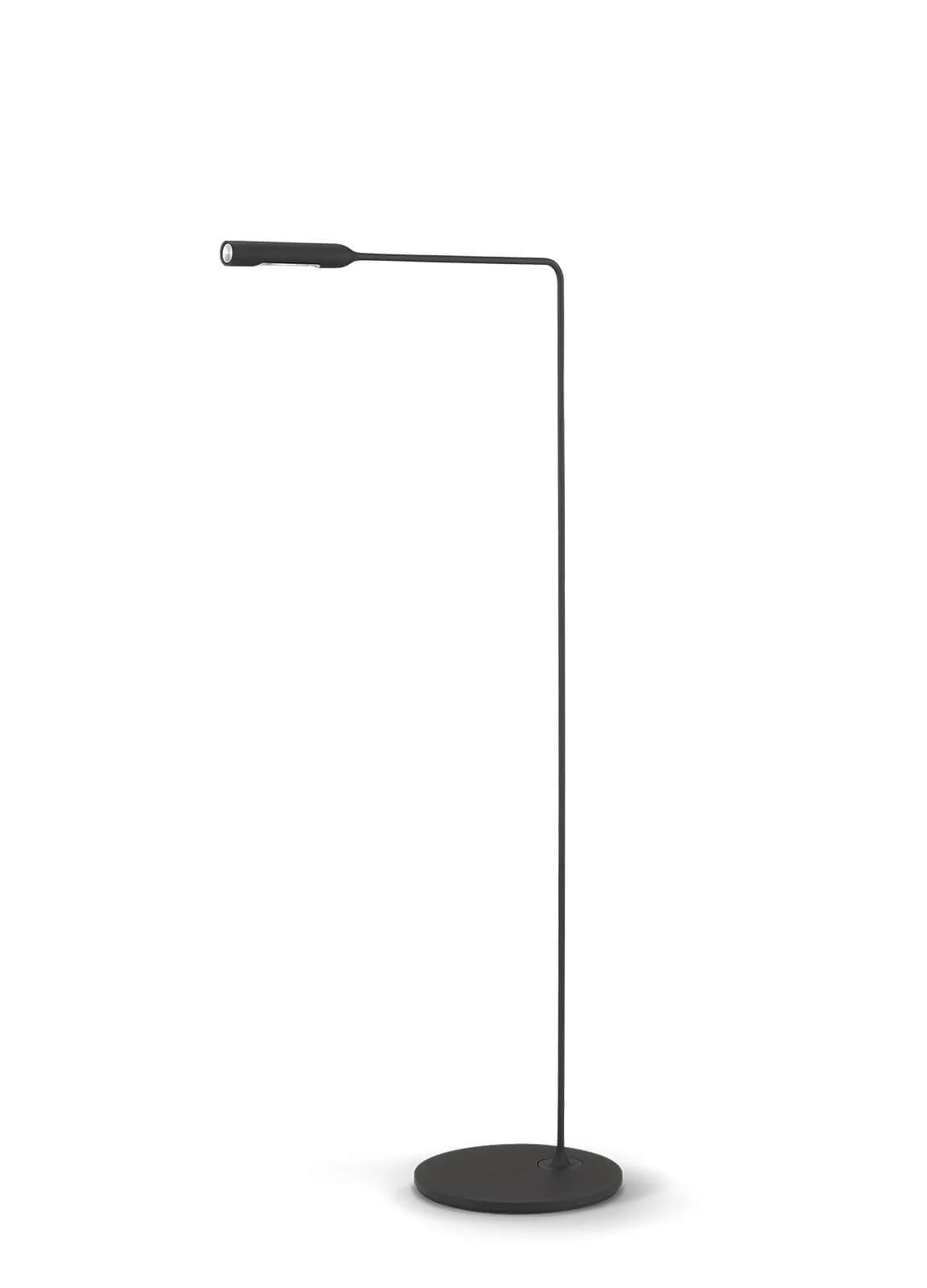
- Flo, offered in desk, bedside, floor, lounge, grommet, clamp and wall versions
- Collaborations with designers and architects including Foster + Partners (Dot, Tia) and Jean-Michel Wilmotte (Anima)
Today
Led by Ettore Cimini, sole director and son of the founder, Lumina makes its lamps in its facility in Arluno (Milan), a few kilometres from Sedriano. Selected components come from trusted specialist artisans, giving quality control along the whole chain, and the company commits to renewable energy, recyclable raw materials, long-lasting lamps and after-sales service.
Gallery