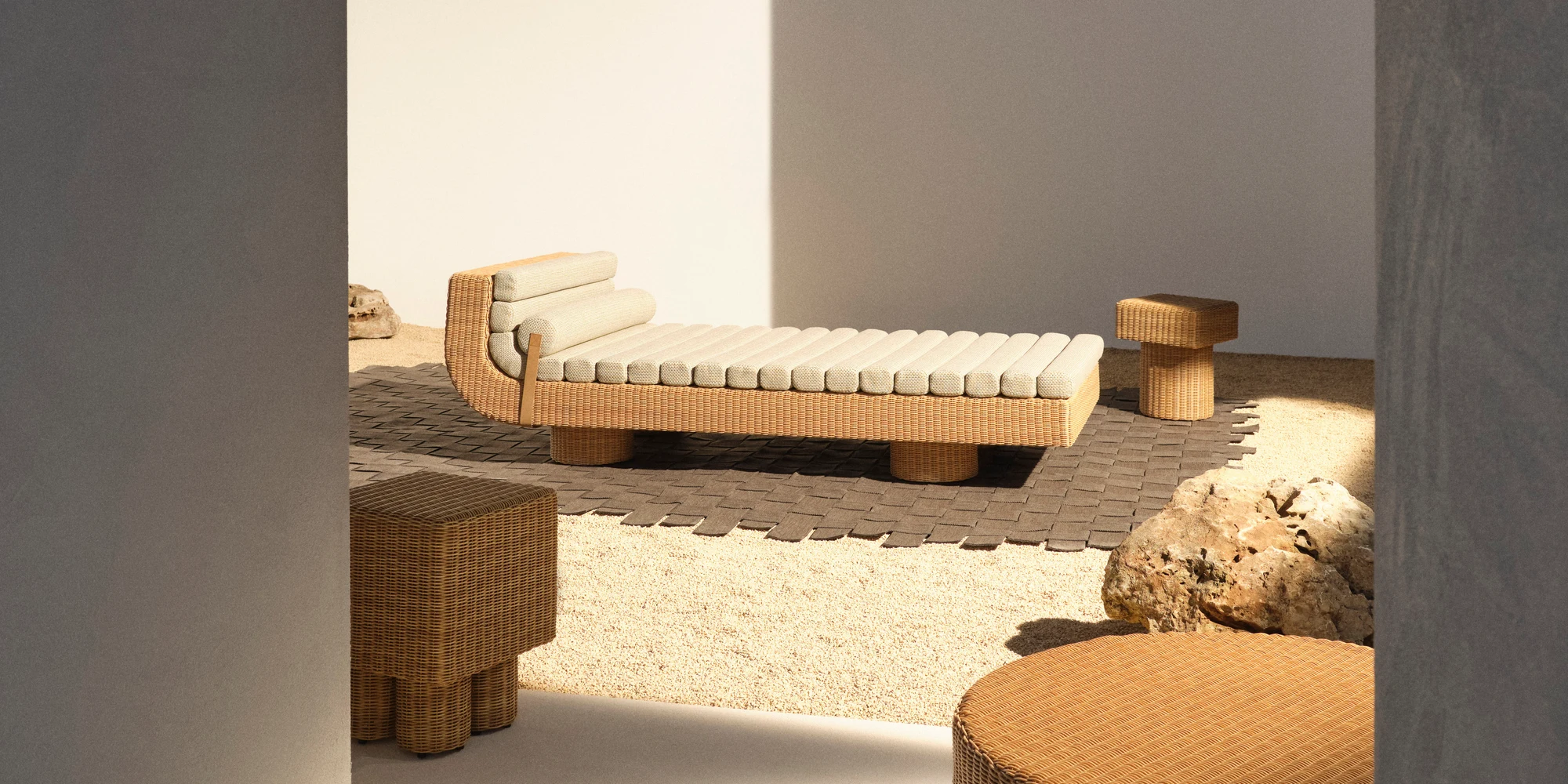
Fuente de la imagen: Molteni&C — Pantalica Outdoor Stool
© Molteni&C y los respectivos titulares de derechos. Citada para acompañar el comentario y la investigación independientes de INTEBEE sobre diseño.
Ver la página oficial del producto Uso de imágenes y derechos de autor
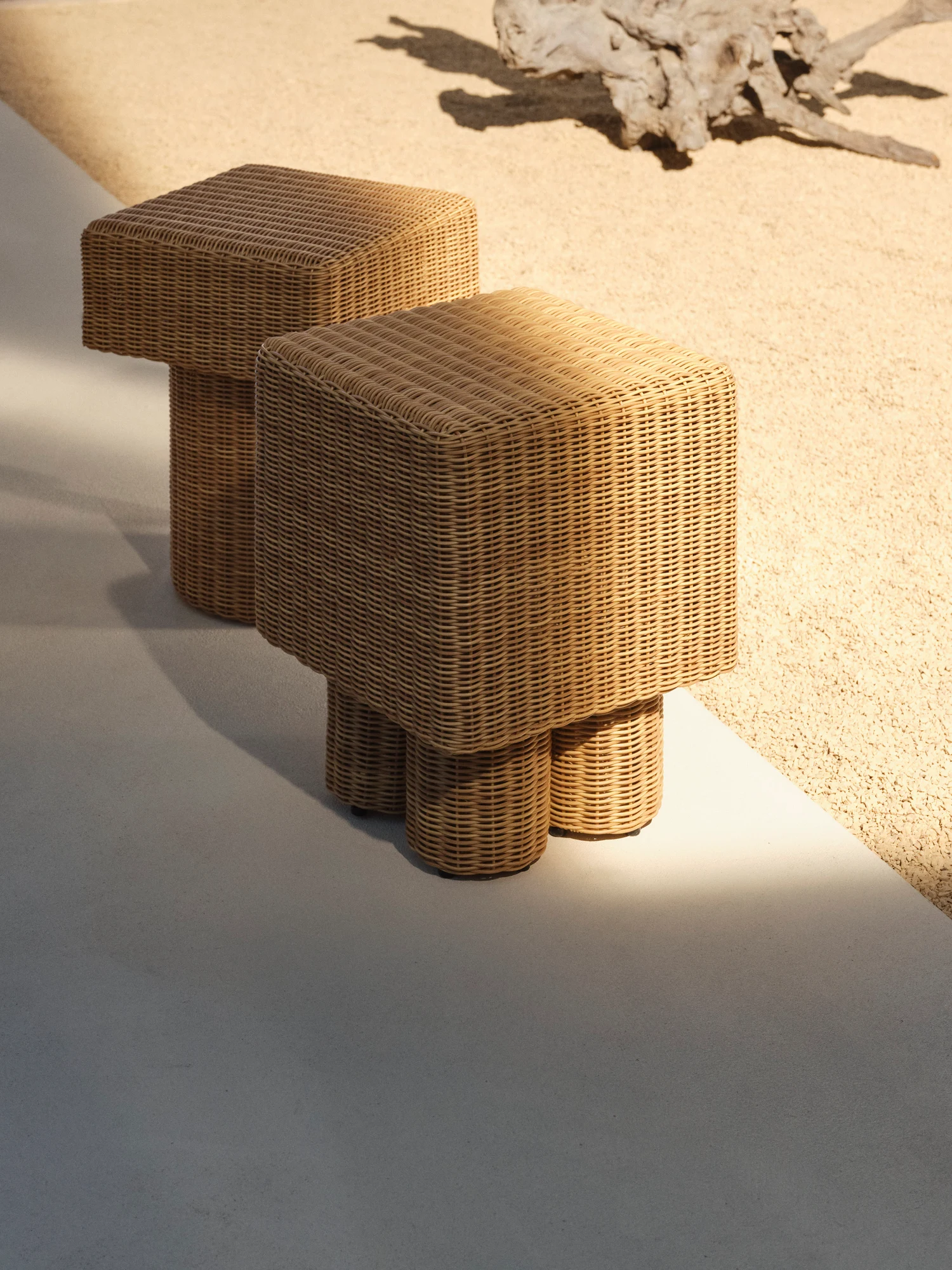
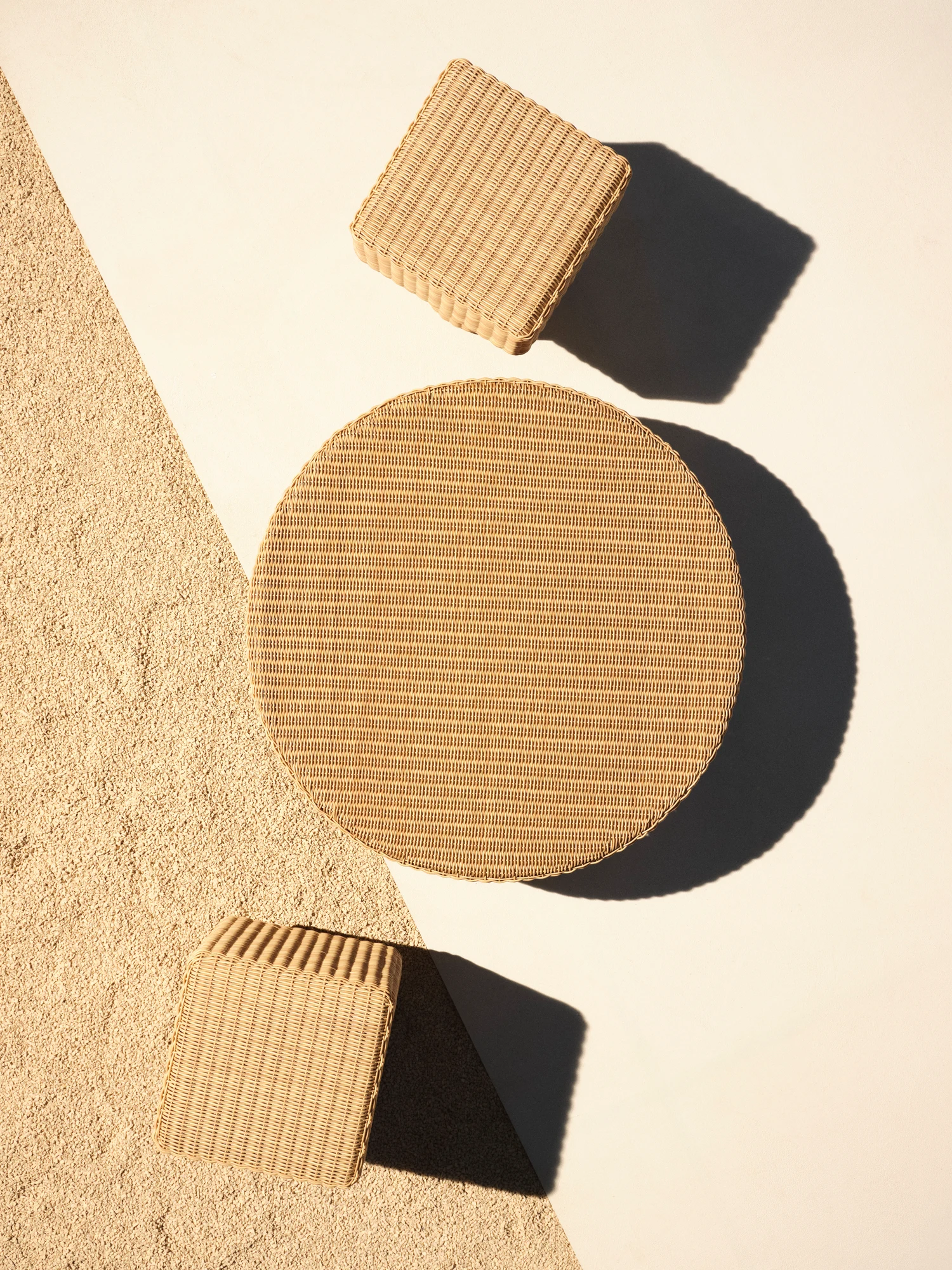
Pantalica Outdoor Stool
Two woven outdoor stool forms that double as compact small tables.


350 × 450 × 350 mm
Información oficial del producto
INTEBEE AI PUBLIC LIBRARY es una plataforma independiente de investigación y descubrimiento del diseño de mobiliario. Las especificaciones, acabados, disponibilidad y otros datos pueden cambiar. Para información actual y definitiva, consulta el sitio web oficial del fabricante.
Ir a la página oficial del productoDescripción
Two multifunctional forms
Elisa Ossino's Pantalica stools can serve as seating or small tables. Molteni&C makes two interpretations: one combines four cylindrical supports with a cube-like top, while the other places a square top over one cylindrical base.
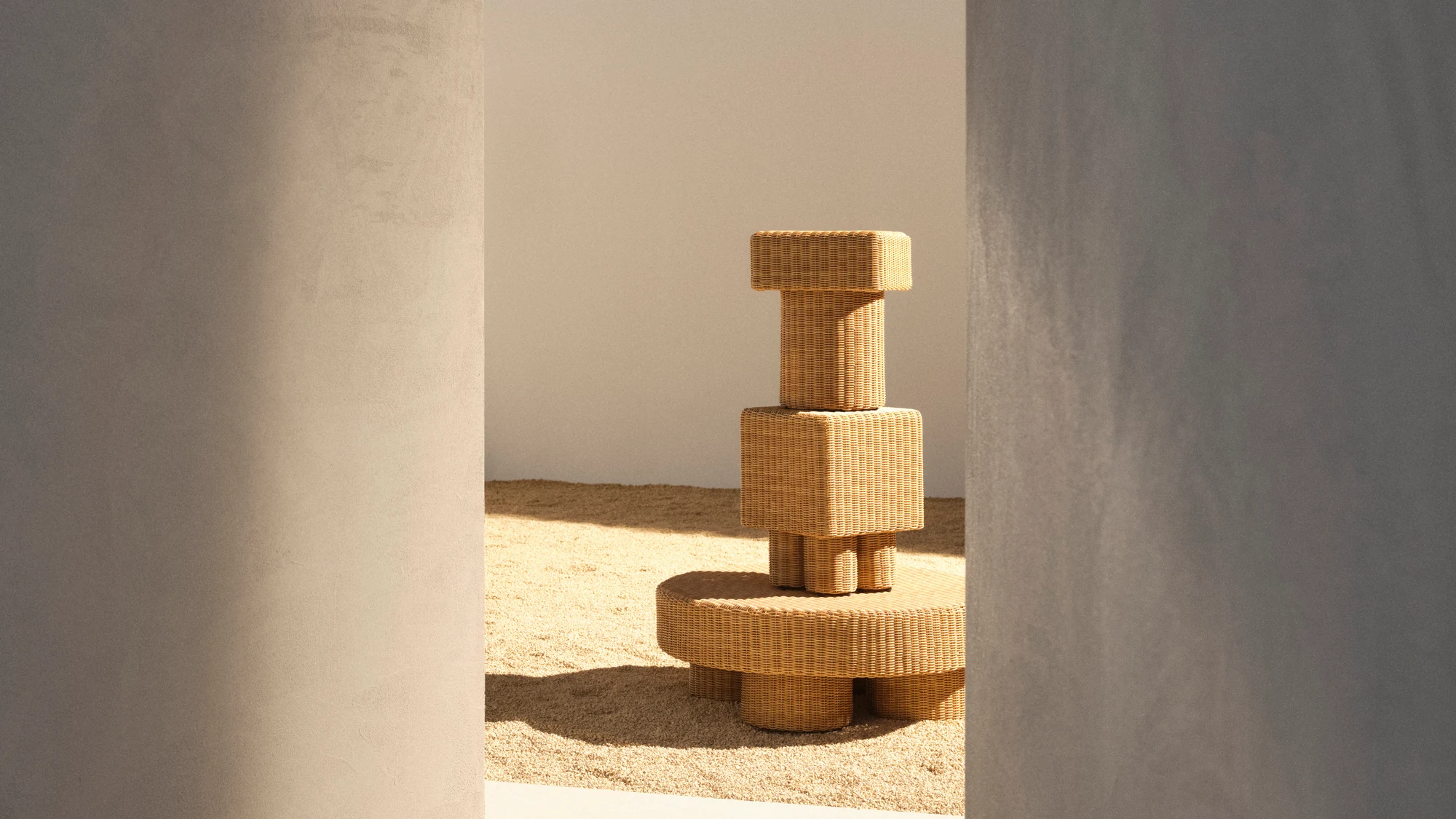 Fuente de la imagen: Molteni&C — Pantalica Outdoor Stool · © Molteni&C y los respectivos titulares de derechos. Citada para acompañar el comentario y la investigación independientes de INTEBEE sobre diseño. · Ver la página oficial del producto ↗ · Uso de imágenes y derechos de autor
Outdoor construction
Both versions use a sturdy aluminium base covered with carefully woven polypropylene rattan. Molteni&C describes the polypropylene as weatherproof and fully circular. The synthetic woven tops remain supple enough to be used as seats without cushions.
PTV3 dimensions
The four-support PTV3 measures 35 × 35 cm in plan. Its largest vertical value is 45 cm; the drawing does not label that value with an axis.
Historia
One object, two uses
The Pantalica stool begins with a deliberately simple brief: a small outdoor object able to work as either a seat or a table. Ossino develops that idea through two compact geometries rather than through upholstery or an added cushion.
Contrasting supports
One variation divides its support into four cylinders, producing a clustered base beneath the squared top. The second consolidates the support into a single cylinder. Molteni&C presents the pair as two distinct readings of the same multifunctional concept.