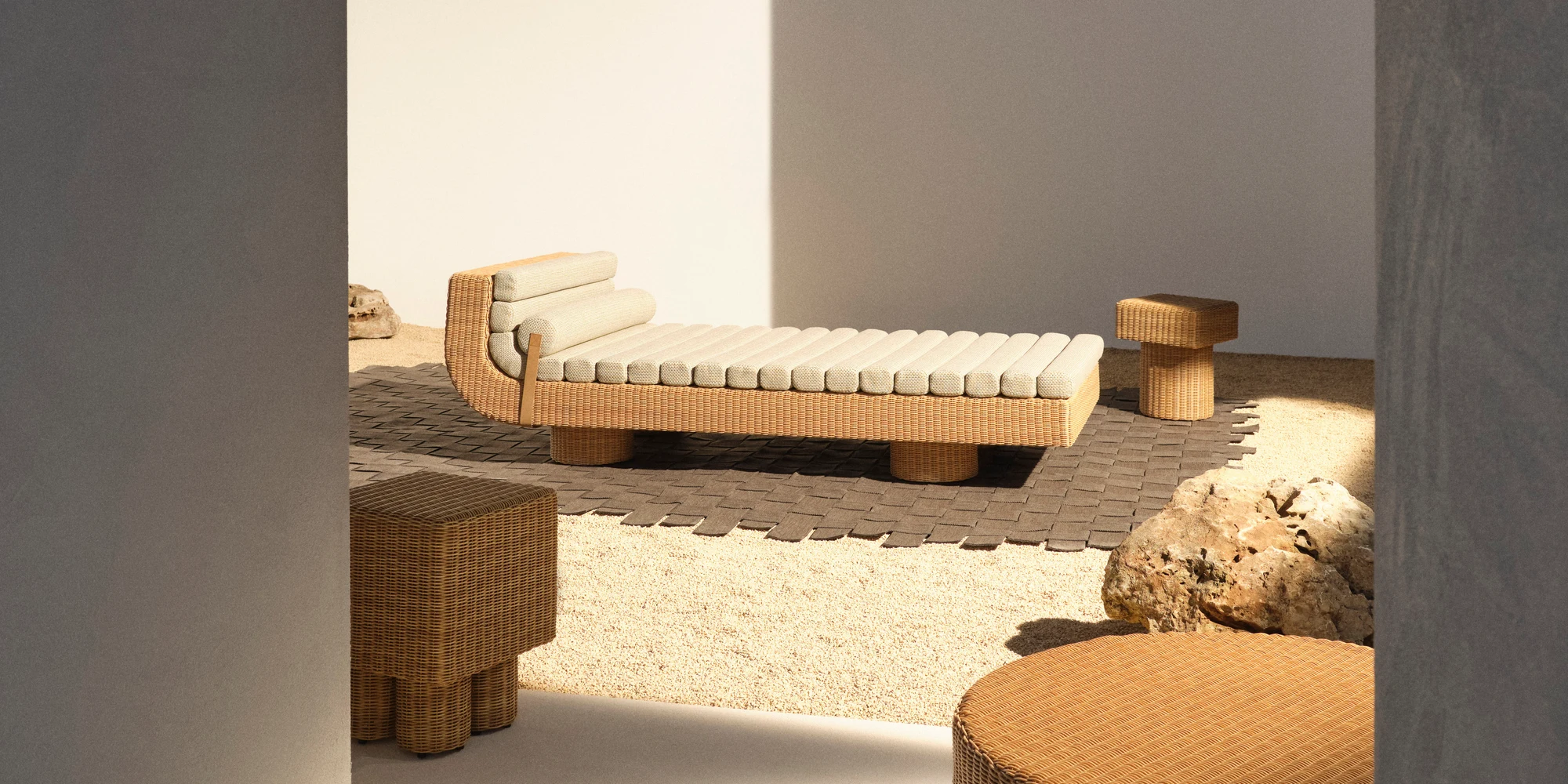
Bildquelle: Molteni&C — Pantalica Outdoor Stool
© Molteni&C und die jeweiligen Rechteinhaber. Zitiert als Begleitung des unabhängigen Design-Kommentars und der Recherche von INTEBEE.
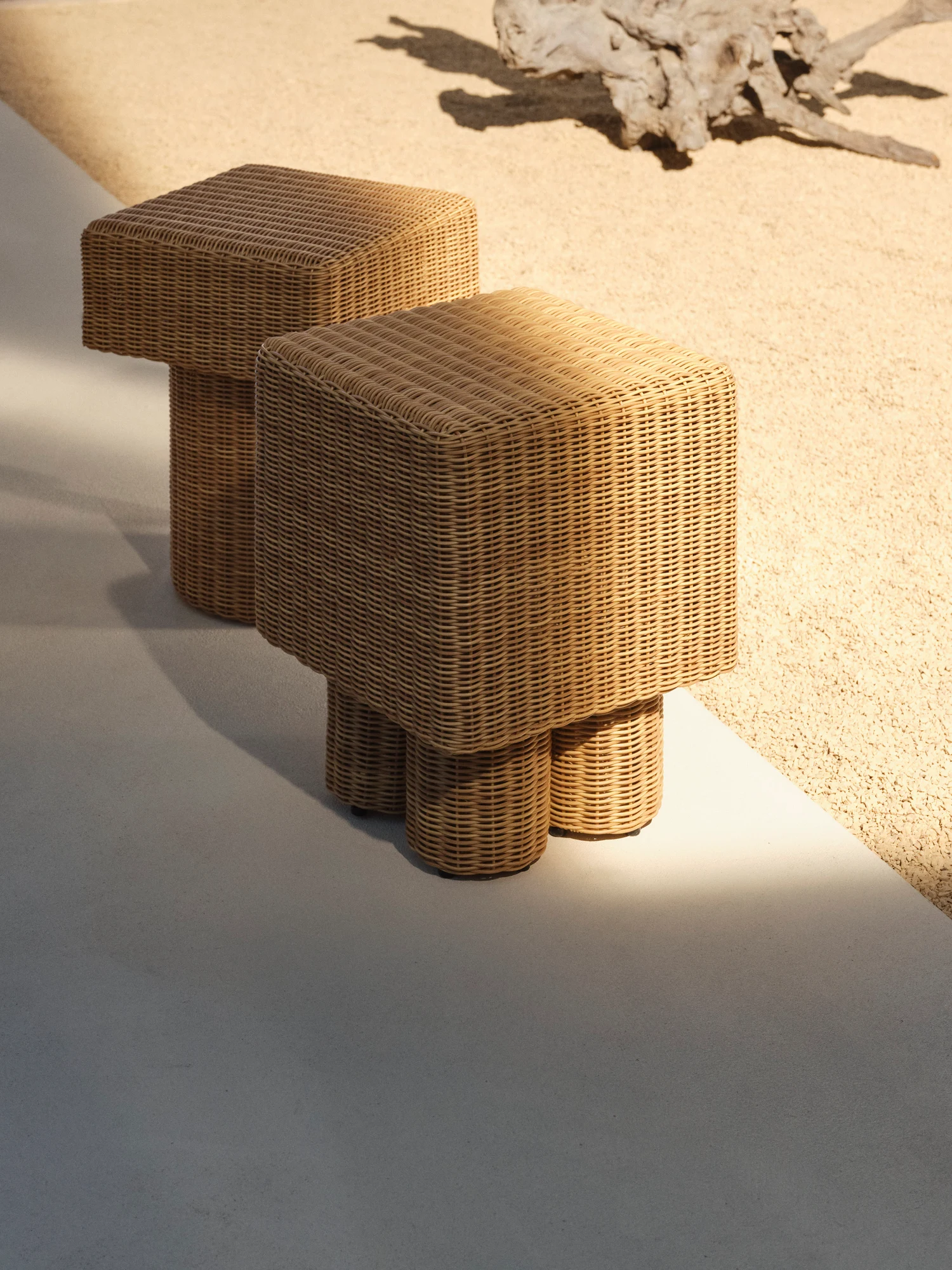
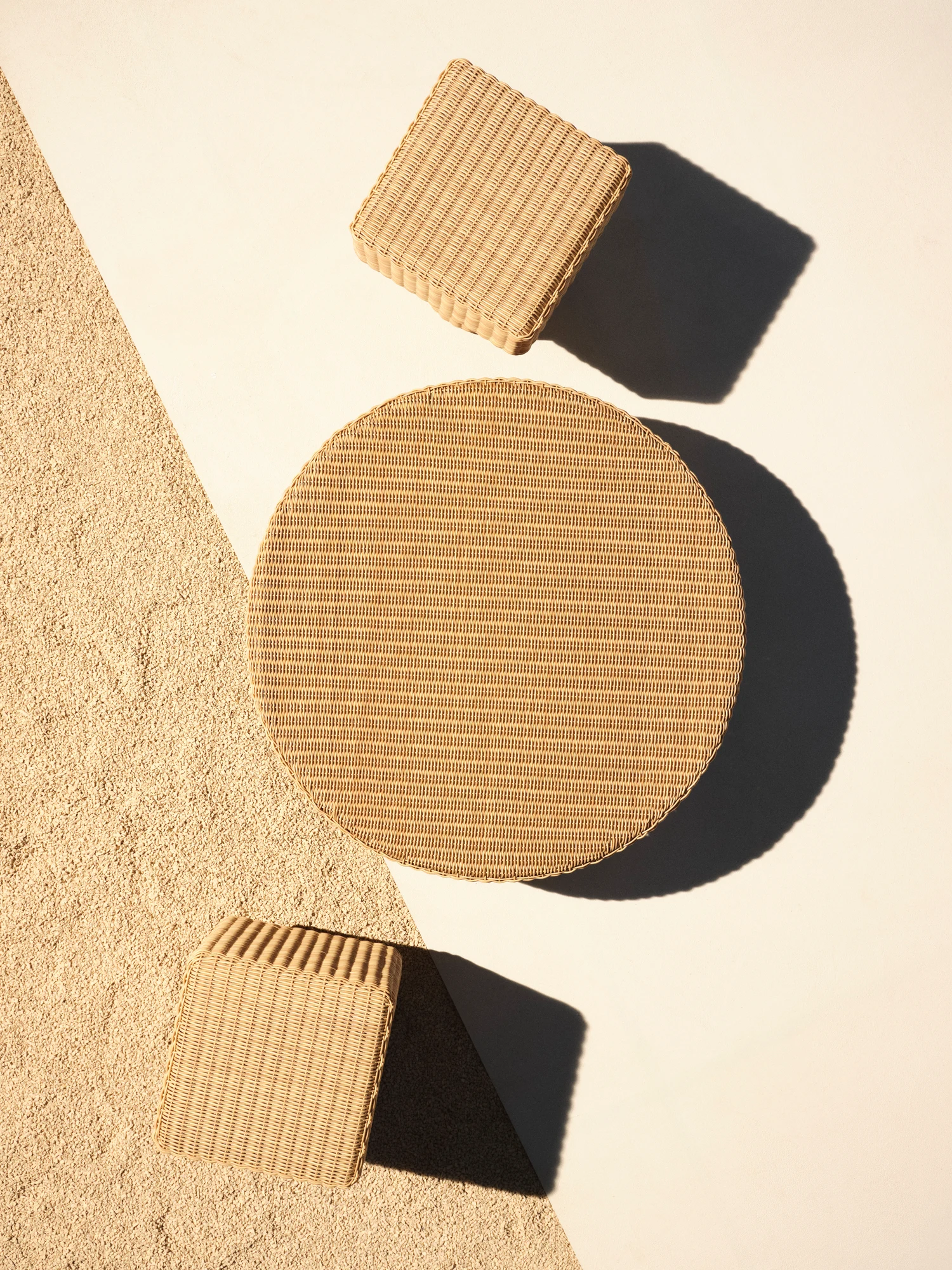
Pantalica Outdoor Stool
Two woven outdoor stool forms that double as compact small tables.


350 × 450 × 350 mm
Offizielle Produktinformationen
INTEBEE AI PUBLIC LIBRARY ist eine unabhängige Plattform zur Recherche und Entdeckung von Möbeldesign. Spezifikationen, Ausführungen, Verfügbarkeit und weitere Angaben können sich ändern. Aktuelle und verbindliche Informationen finden Sie auf der offiziellen Website des Herstellers.
Zur offiziellen ProduktseiteBeschreibung
Two multifunctional forms
Elisa Ossino's Pantalica stools can serve as seating or small tables. Molteni&C makes two interpretations: one combines four cylindrical supports with a cube-like top, while the other places a square top over one cylindrical base.
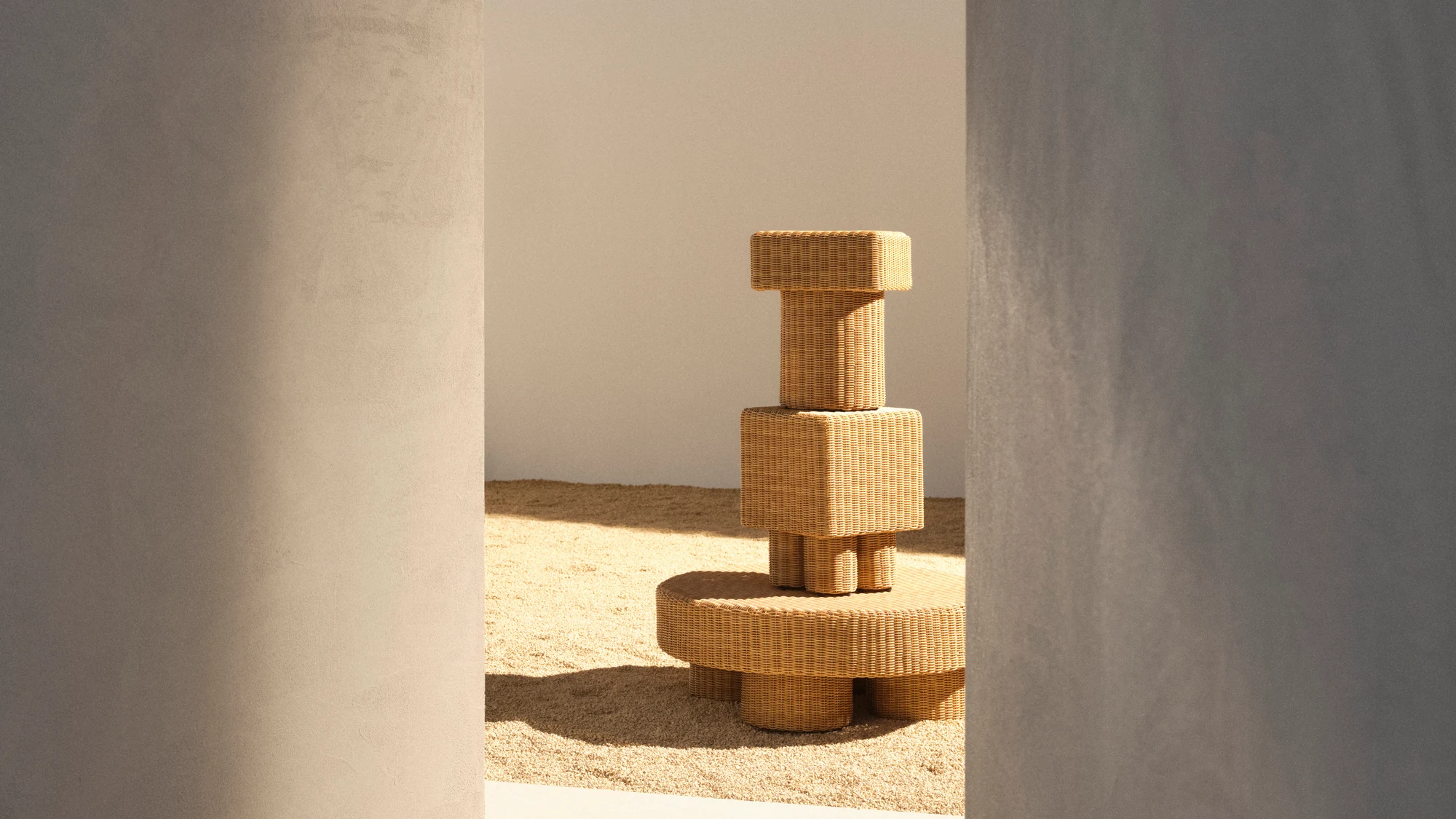 Bildquelle: Molteni&C — Pantalica Outdoor Stool · © Molteni&C und die jeweiligen Rechteinhaber. Zitiert als Begleitung des unabhängigen Design-Kommentars und der Recherche von INTEBEE. · Offizielle Produktseite ansehen ↗ · Bildnutzung & Urheberrecht
Outdoor construction
Both versions use a sturdy aluminium base covered with carefully woven polypropylene rattan. Molteni&C describes the polypropylene as weatherproof and fully circular. The synthetic woven tops remain supple enough to be used as seats without cushions.
PTV3 dimensions
The four-support PTV3 measures 35 × 35 cm in plan. Its largest vertical value is 45 cm; the drawing does not label that value with an axis.
Geschichte
One object, two uses
The Pantalica stool begins with a deliberately simple brief: a small outdoor object able to work as either a seat or a table. Ossino develops that idea through two compact geometries rather than through upholstery or an added cushion.
Contrasting supports
One variation divides its support into four cylinders, producing a clustered base beneath the squared top. The second consolidates the support into a single cylinder. Molteni&C presents the pair as two distinct readings of the same multifunctional concept.