
Fuente de la imagen: Herman Miller — Doubleframe Table
© Herman Miller y los respectivos titulares de derechos. Citada para acompañar el comentario y la investigación independientes de INTEBEE sobre diseño.
Ver la página oficial del producto Uso de imágenes y derechos de autor
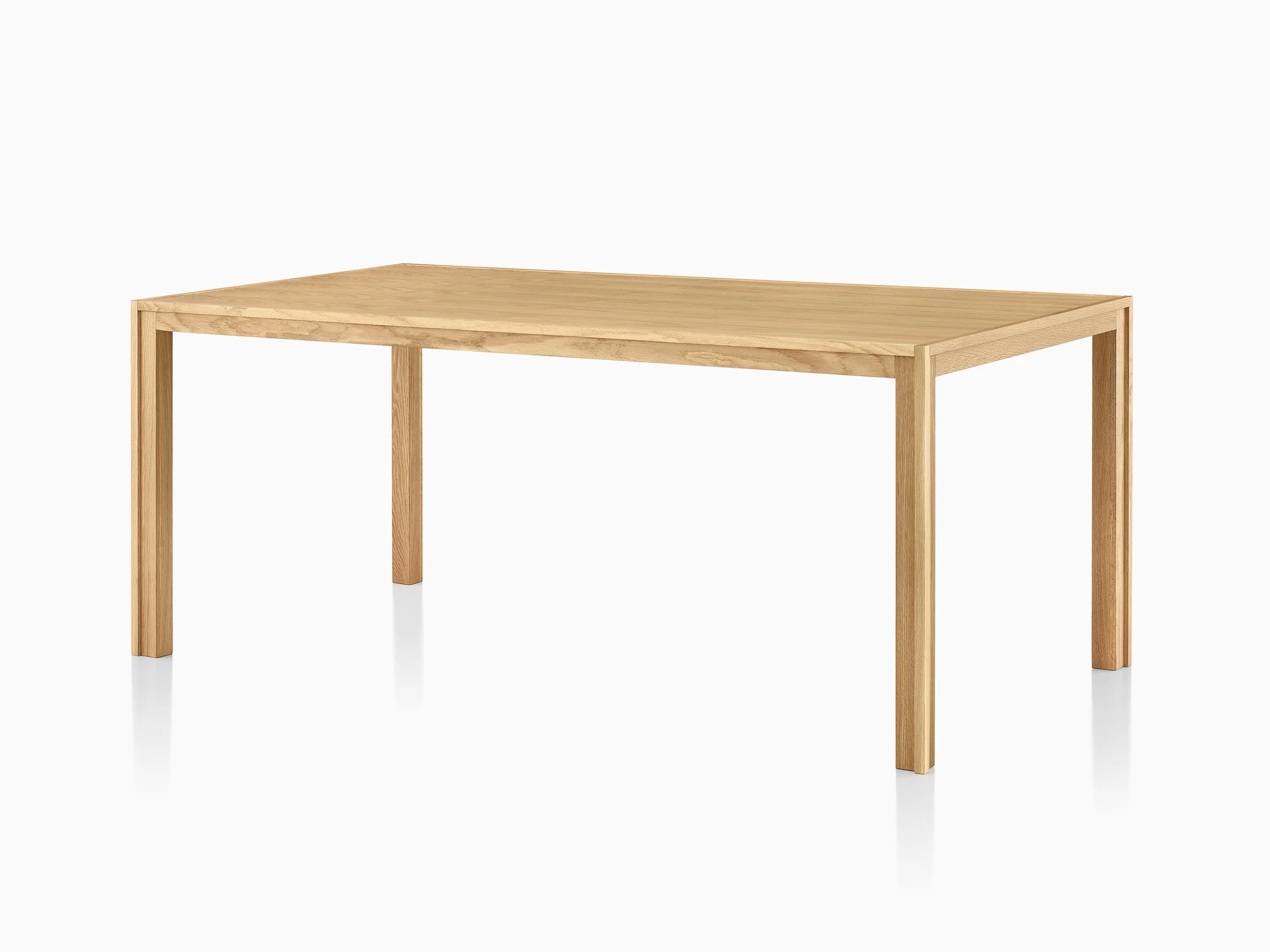
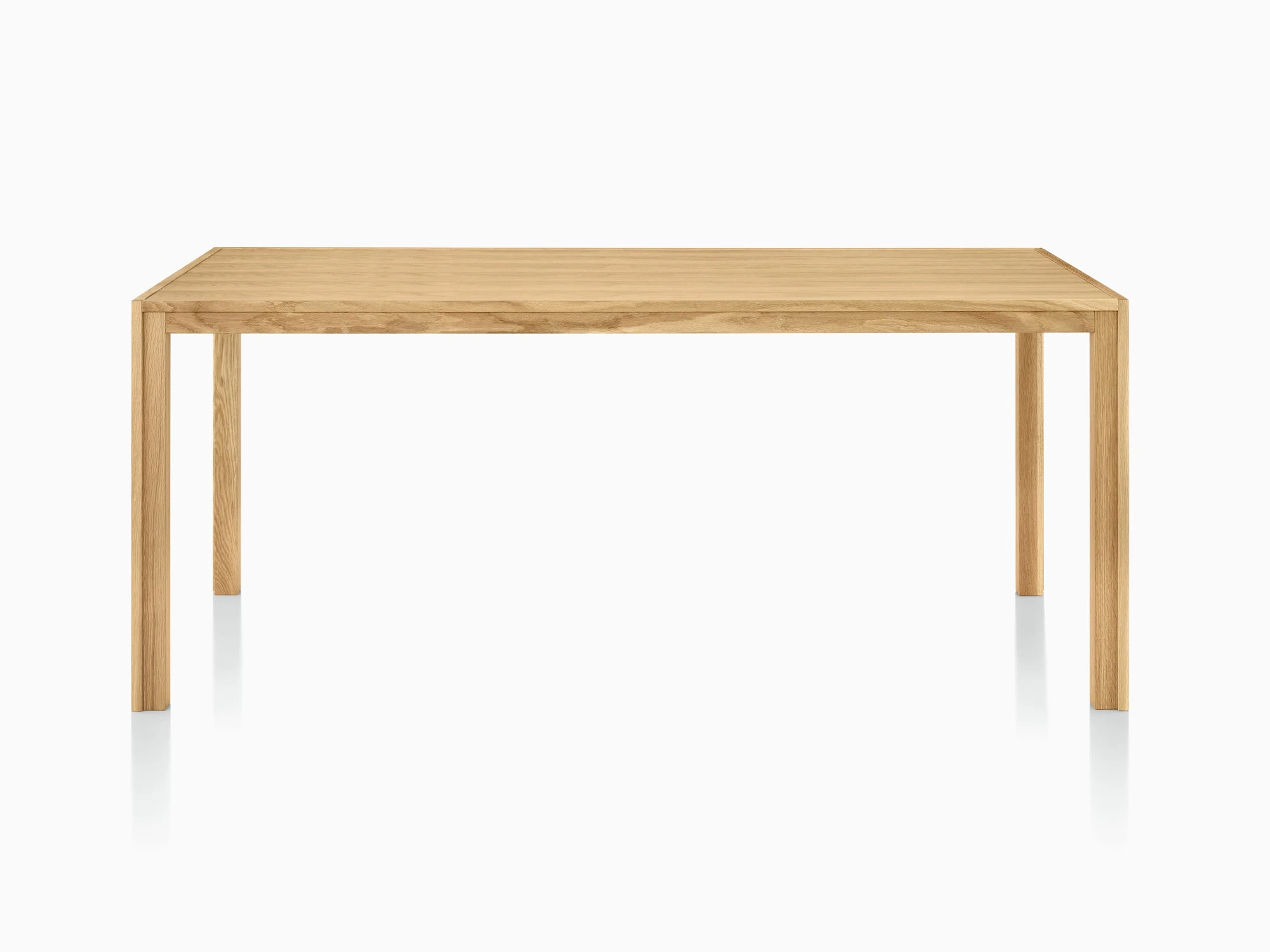
Doubleframe Table
A rectilinear hardwood table with branching corner legs and an inset top


2337 × 737 × 914 mm
2018
Información oficial del producto
INTEBEE AI PUBLIC LIBRARY es una plataforma independiente de investigación y descubrimiento del diseño de mobiliario. Las especificaciones, acabados, disponibilidad y otros datos pueden cambiar. Para información actual y definitiva, consulta el sitio web oficial del fabricante.
Ir a la página oficial del productoDescripción
Overview
Michael Anastassiades designed Doubleframe Table as a clean rectilinear dining or conference table. Corner legs branch into a double frame that supports an inset surface, containing the more intricate joinery within a restrained outline.
Construction
Herman Miller offers the legs and frame in natural hardwoods. The inset tabletop is available in wood or stone and may match or contrast with the frame. The design was informed by the direct proportions of the 1930s Parsons Table.
Drawing values
The official Product Sheet prints 70 and 92 inches on one dimension line, 36 inches on another, and 29 inches vertically. The axes are not named. The larger version is represented by 92, 36, and 29 inches.
Historia
Construction as the starting point
Doubleframe began with Michael Anastassiades studying how a table is put together and how the edge of a top could be hidden through a simple move. His attention settled on the transitions from legs to frame and from frame to surface.
A contained structural detail
The corner legs divide into a double frame around an inset top, making the supporting relationship visible without disrupting the table's outer geometry. Herman Miller relates the result to the 1930s Parsons Table: both reduce a table to direct proportions while allowing construction and material integrity to carry the design.
Más de Michael Anastassiades
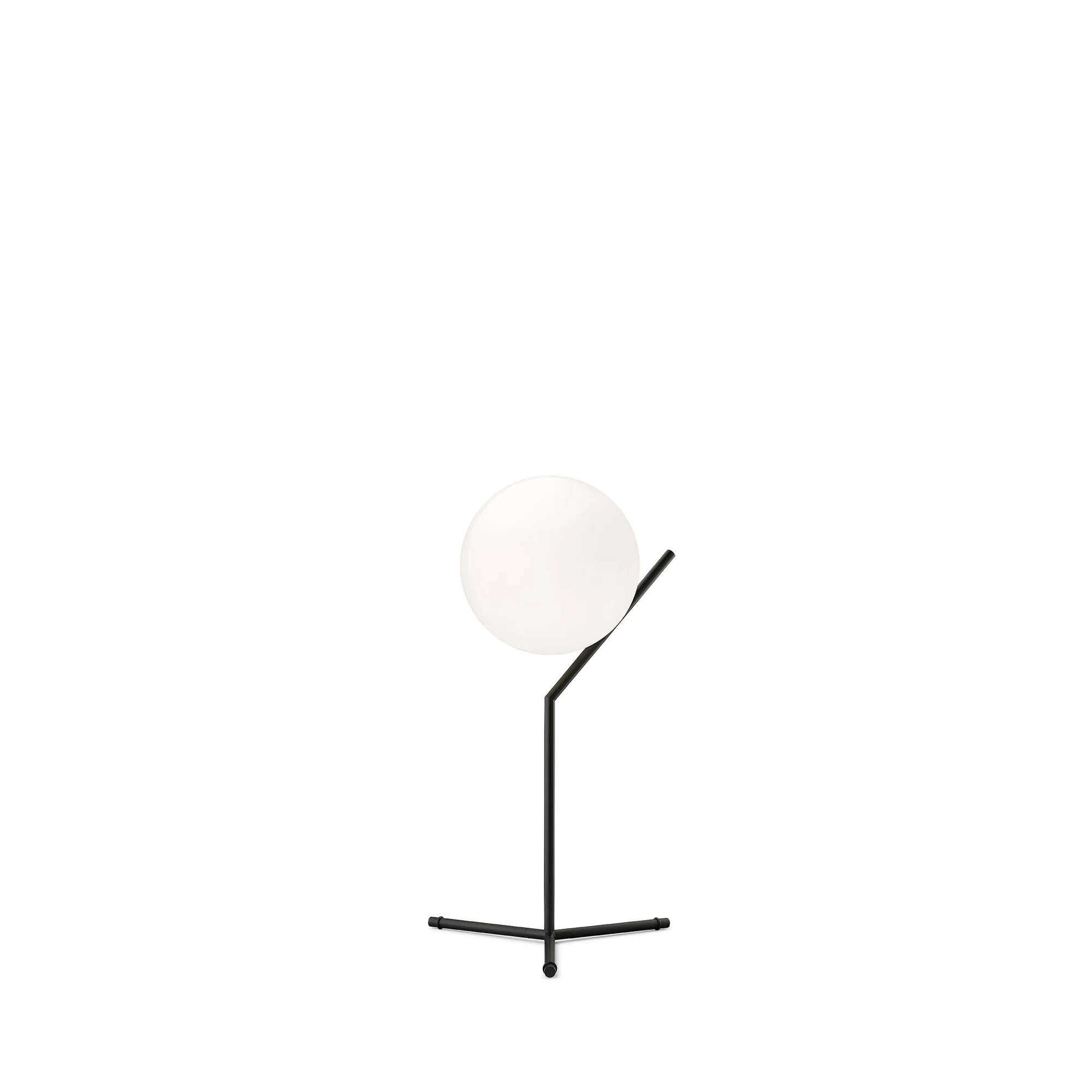
IC Lights T1 High
Michael Anastassiades' 2014 table lamp: an opal glass sphere on an angled steel frame
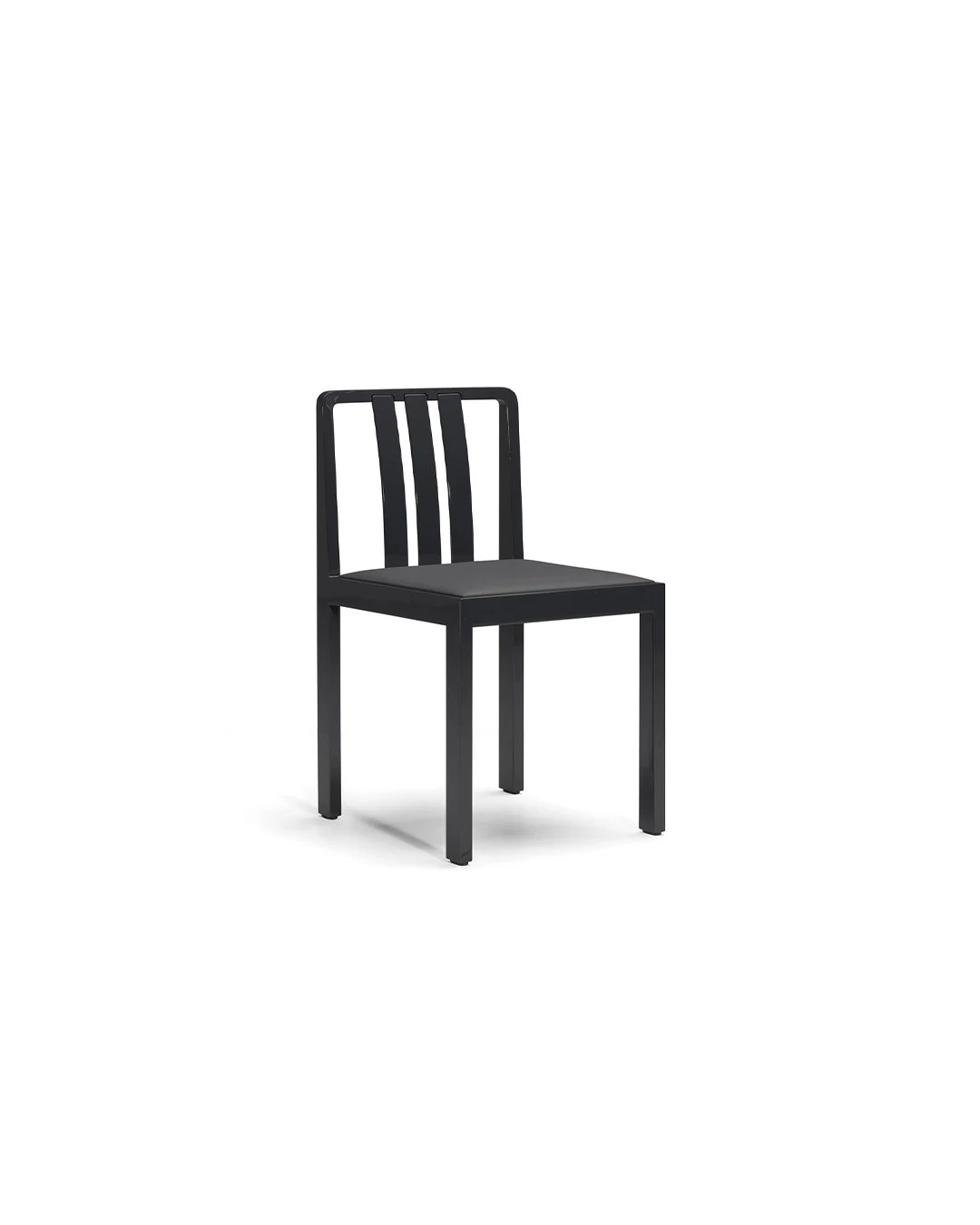
1 2 3
Michael Anastassiades's slatted-back chair in glossy lacquered solid beech, with three slats.
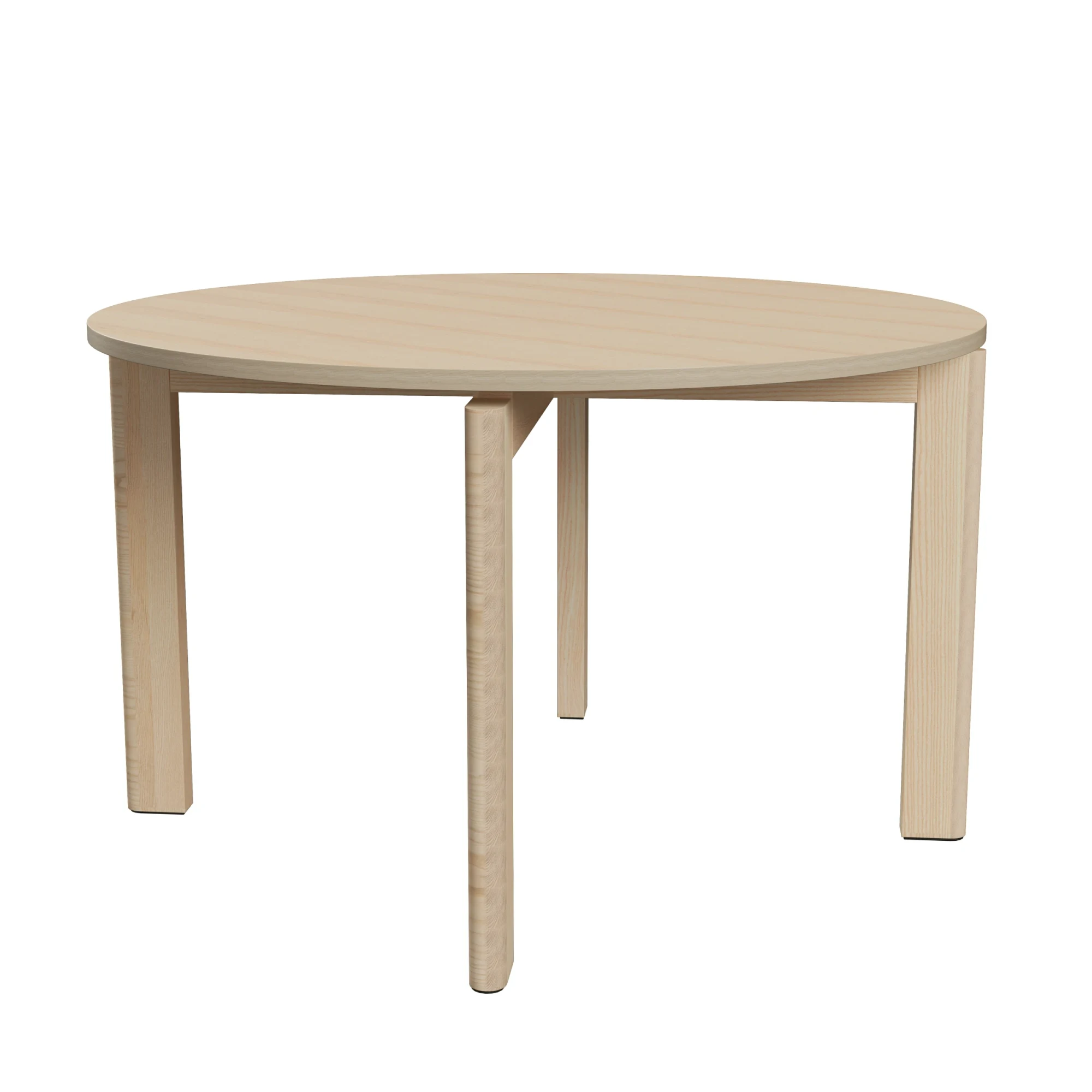
After Dining Table MA400
Round solid ash dining table for four by Michael Anastassiades, 120 cm across, 2025
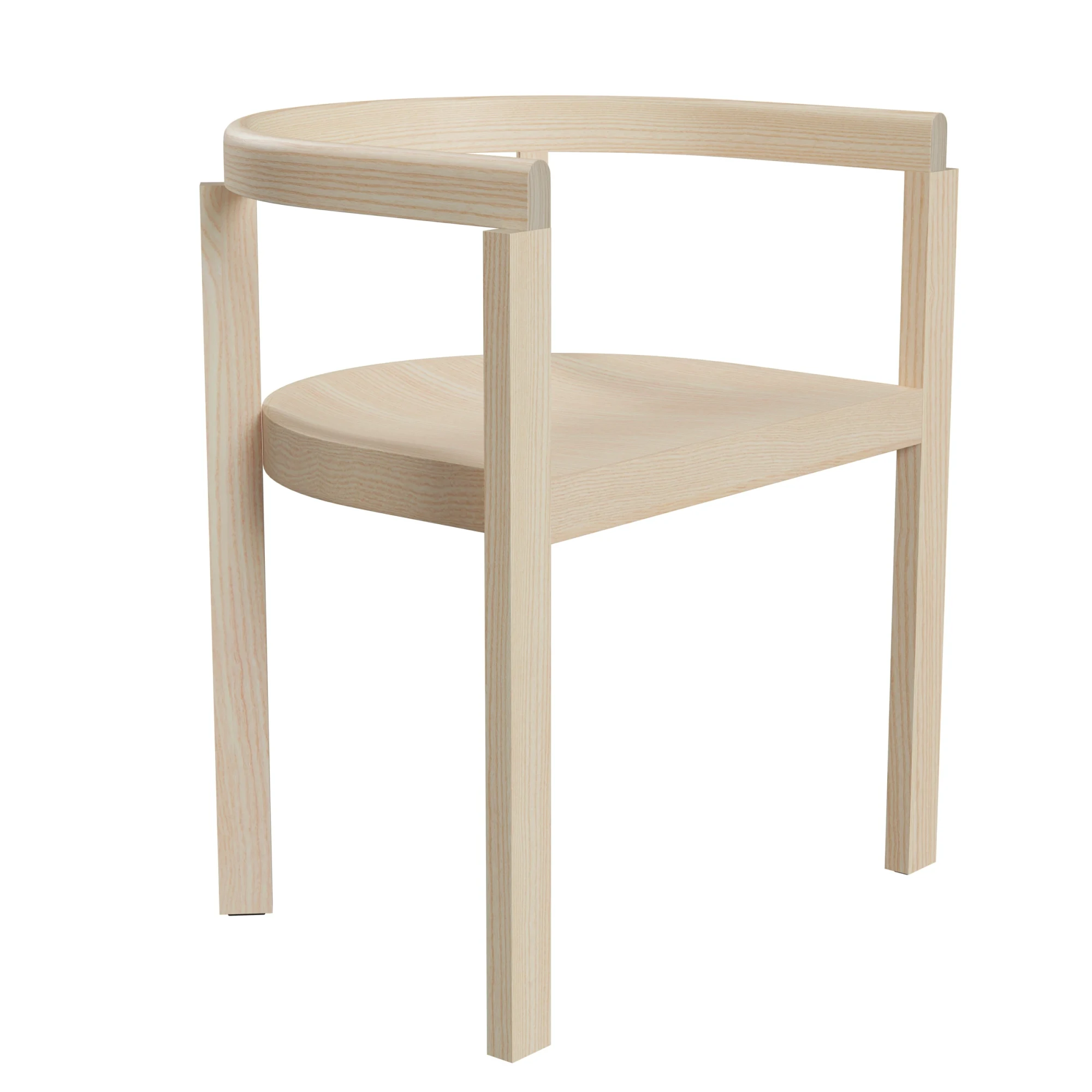
After Chair MA100
Michael Anastassiades' After armchair: layered solid ash backrest and a broad seat, 2025