Designer
Richard Schultz
La première mission de Richard Schultz chez Knoll consistait à soutenir le développement et la production des meubles en fil métallique de Harry Bertoia. Après une période de travail en Europe, il rejoignit le Design Development Group de…
Biographie
Débuts chez Knoll
La première mission de Richard Schultz chez Knoll consistait à soutenir le développement et la production des meubles en fil métallique de Harry Bertoia. Après une période de travail en Europe, il rejoignit le Design Development Group de la société en Pennsylvanie.
Mobilier d'extérieur
Schultz se fit connaître par ses créations pour l'extérieur. Sa table Petal, dessinée en 1960, reçut un prix de la revue Industrial Design, et la chaise longue 715 entra dans la collection permanente du MoMA en 1963.
Collection 1966
Florence Knoll demanda à Schultz un mobilier capable de résister à l'air salin. Sa gamme d'extérieur en aluminium fut présentée en 1966, après plusieurs années de développement.
Collections
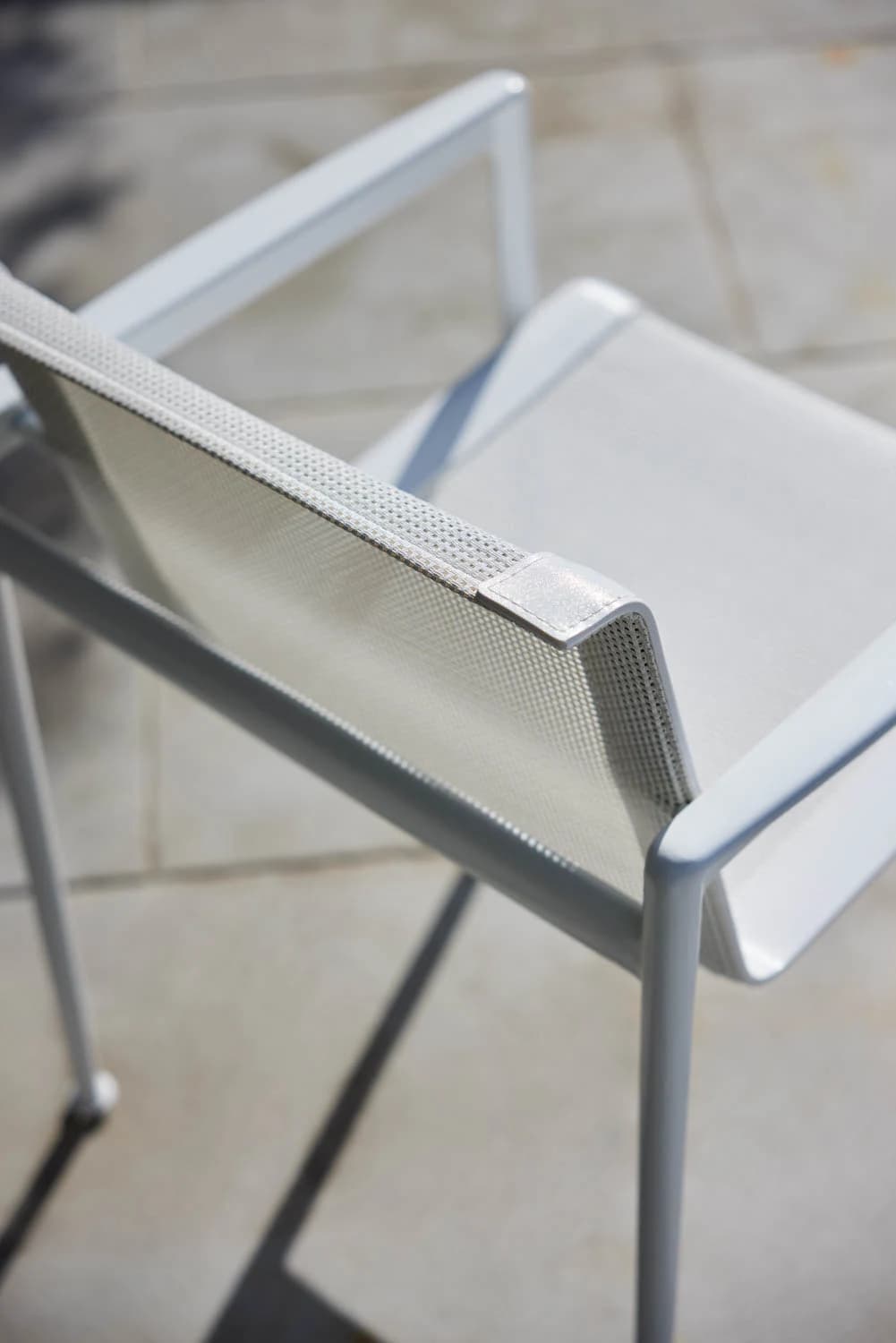
Produits
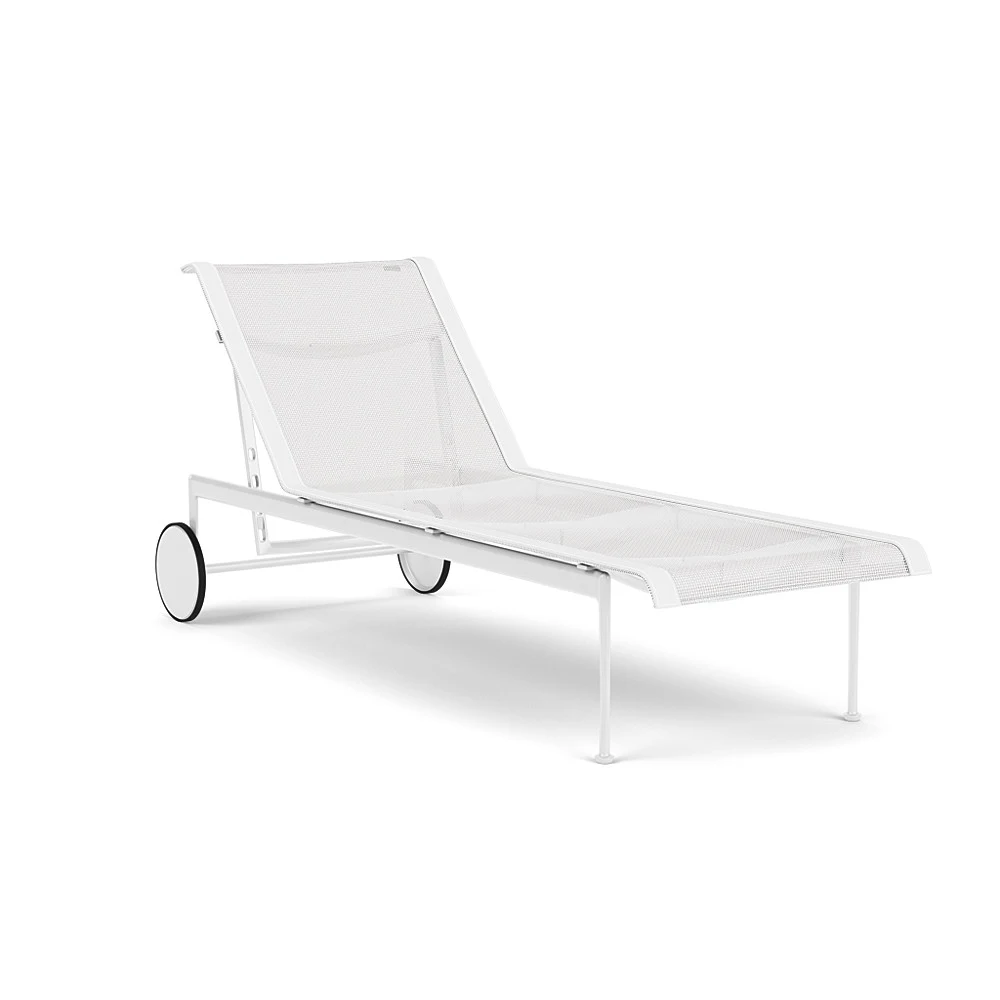
1966 Adjustable Chaise
1966 Adjustable Chaise by Richard Schultz, introduced in 1966
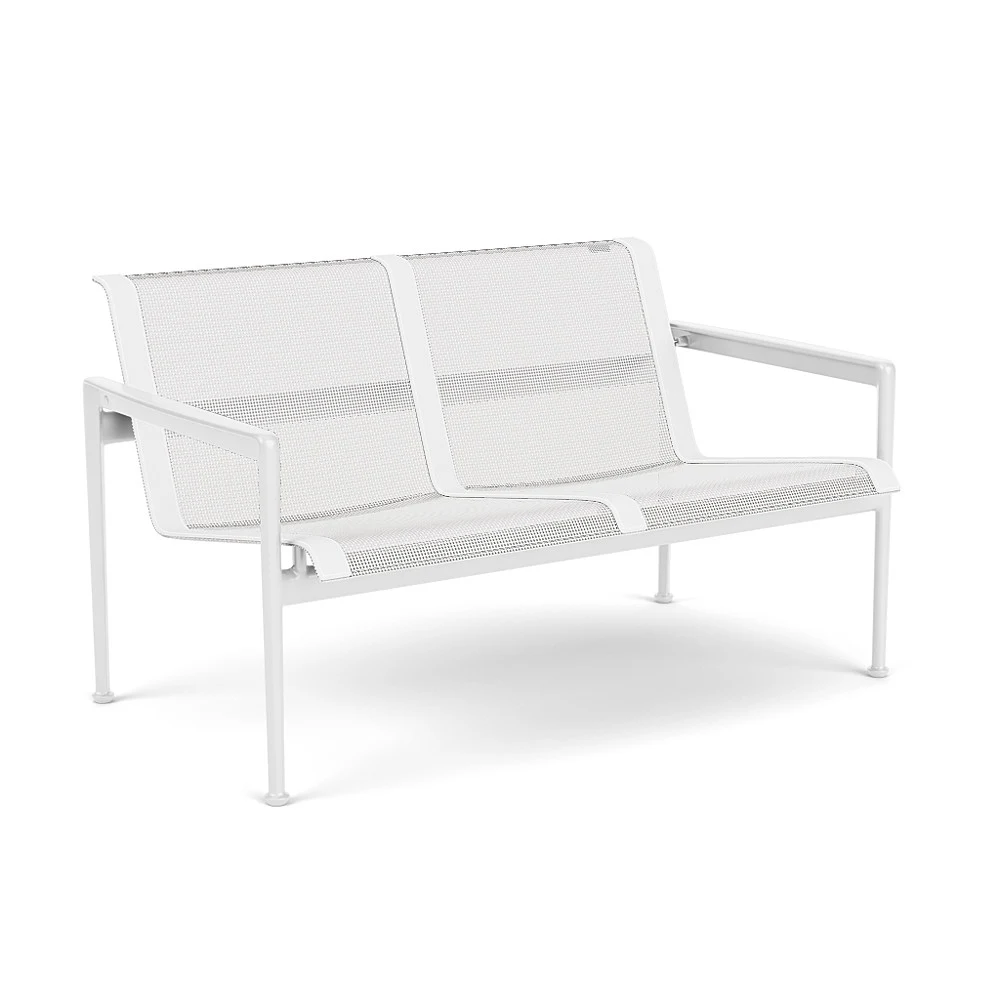
1966 Two Seat Lounge
1966 Two Seat Lounge by Richard Schultz, introduced in 1966
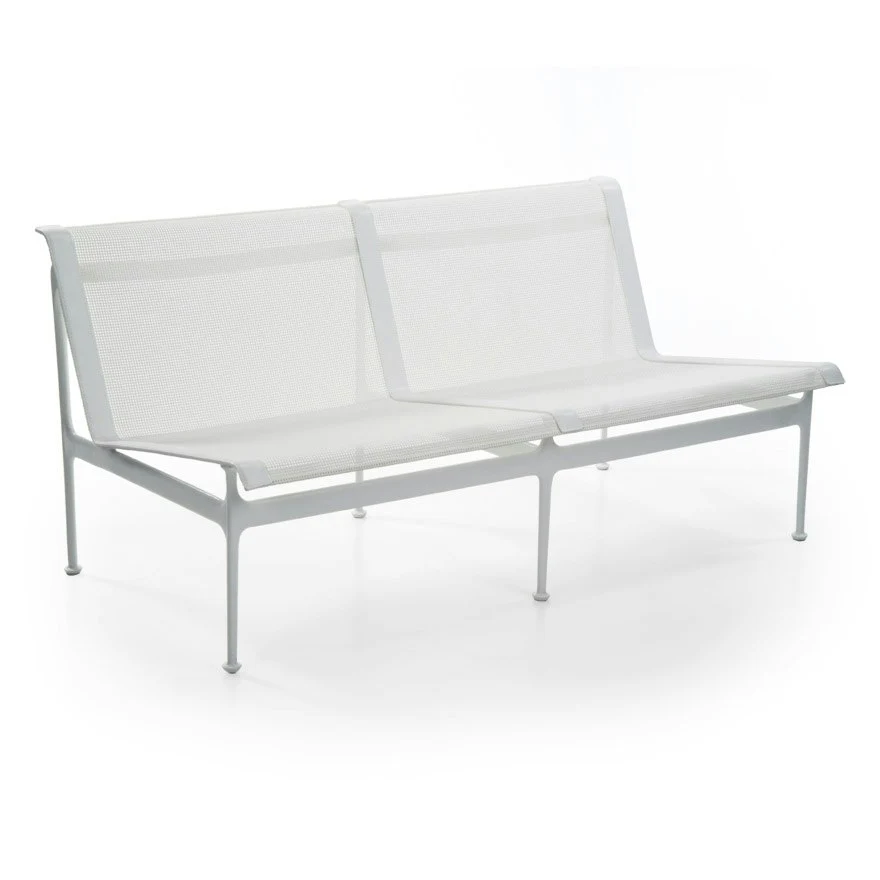
Swell Sofa
A two- or three-seat outdoor Swell sofa in mesh, straps and aluminium
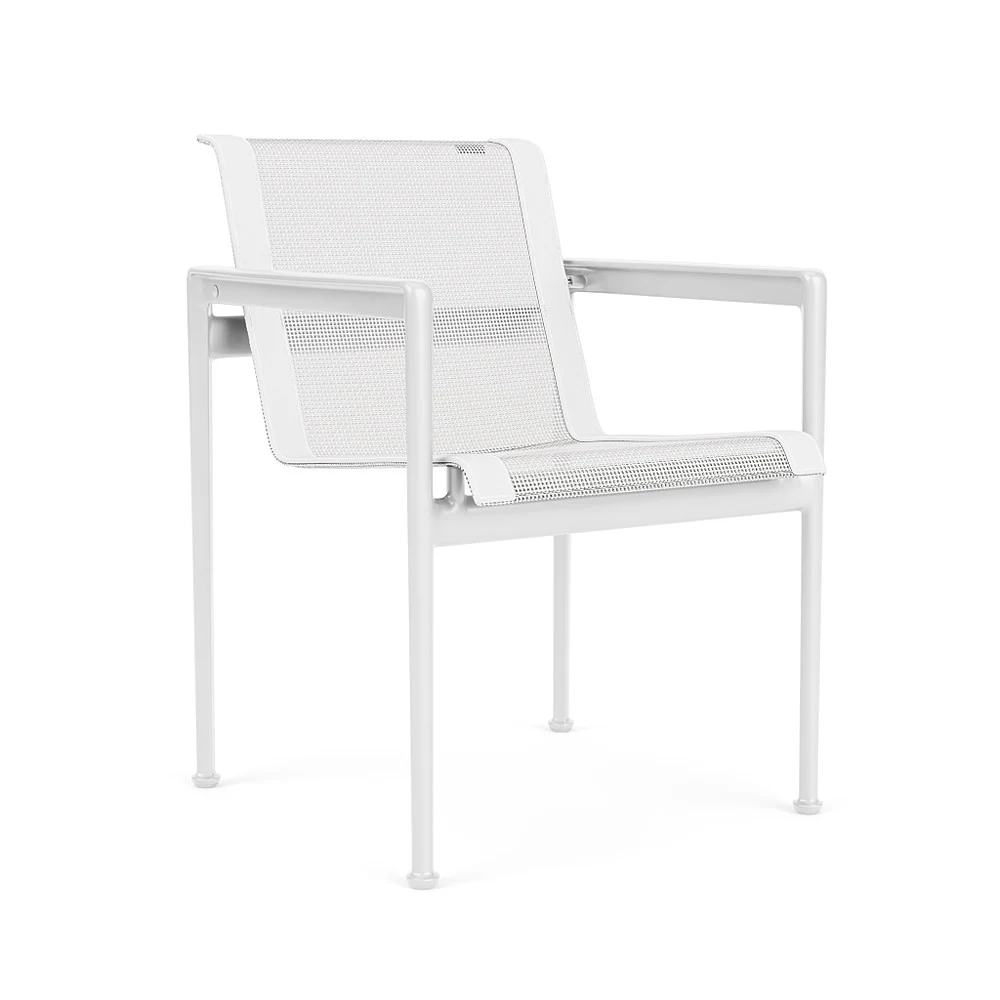
1966 Dining Chair
1966 Dining Chair with Arms by Richard Schultz, introduced in 1966
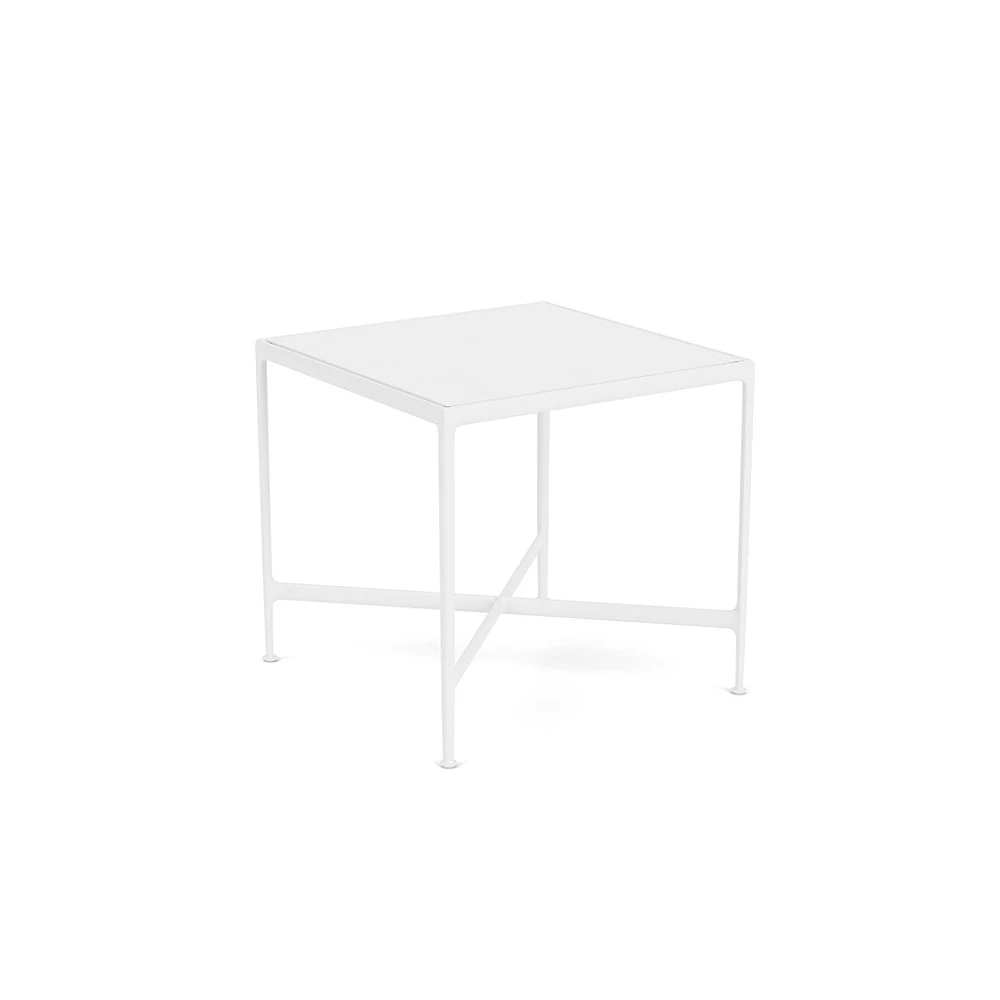
1966 Dining Table Bar and Counter Height
1966 Dining Table Bar and Counter Height by Richard Schultz, introduced in 1966
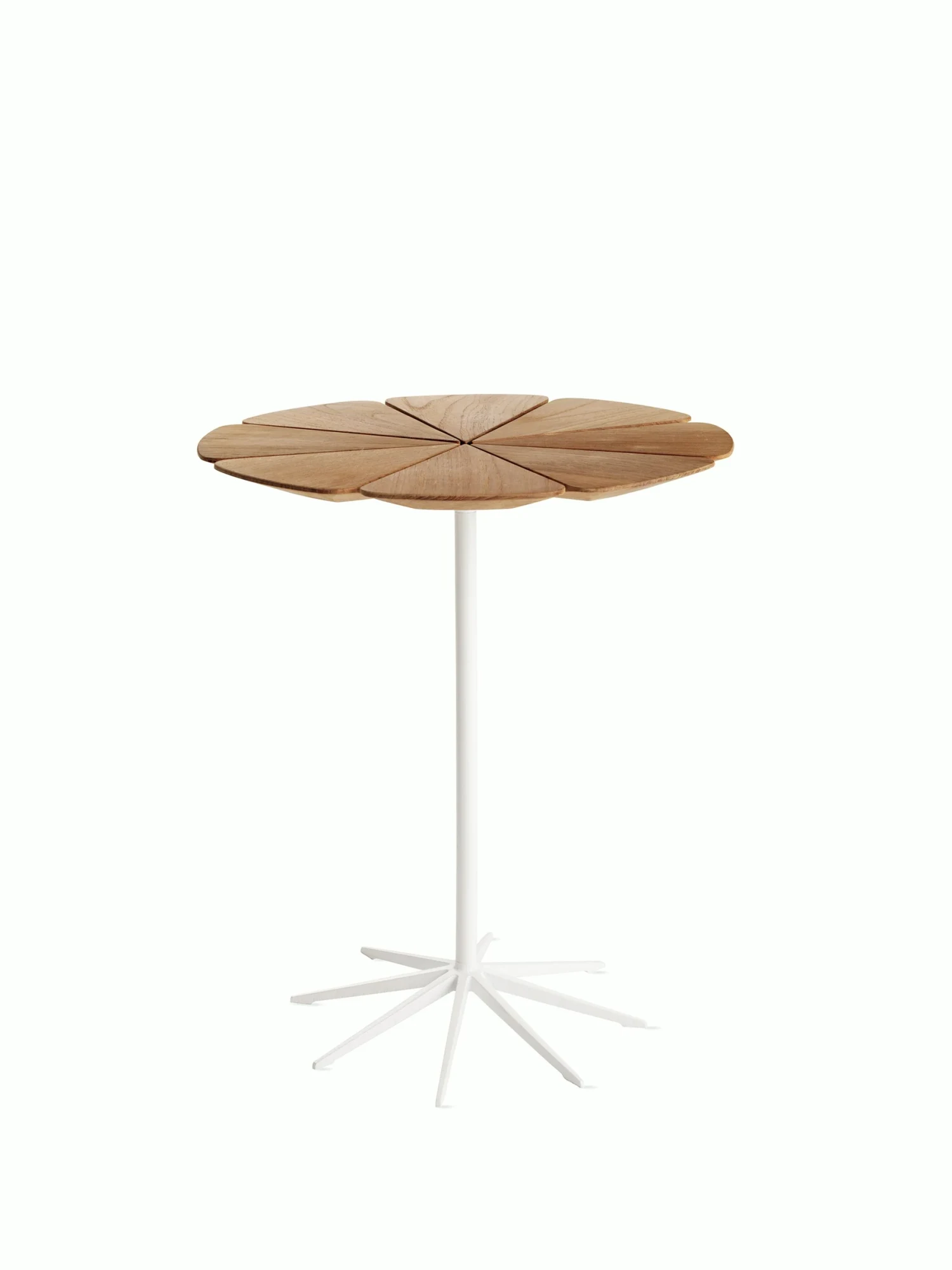
Petal End Table
A compact Petal side table with a segmented top and powder-coated base
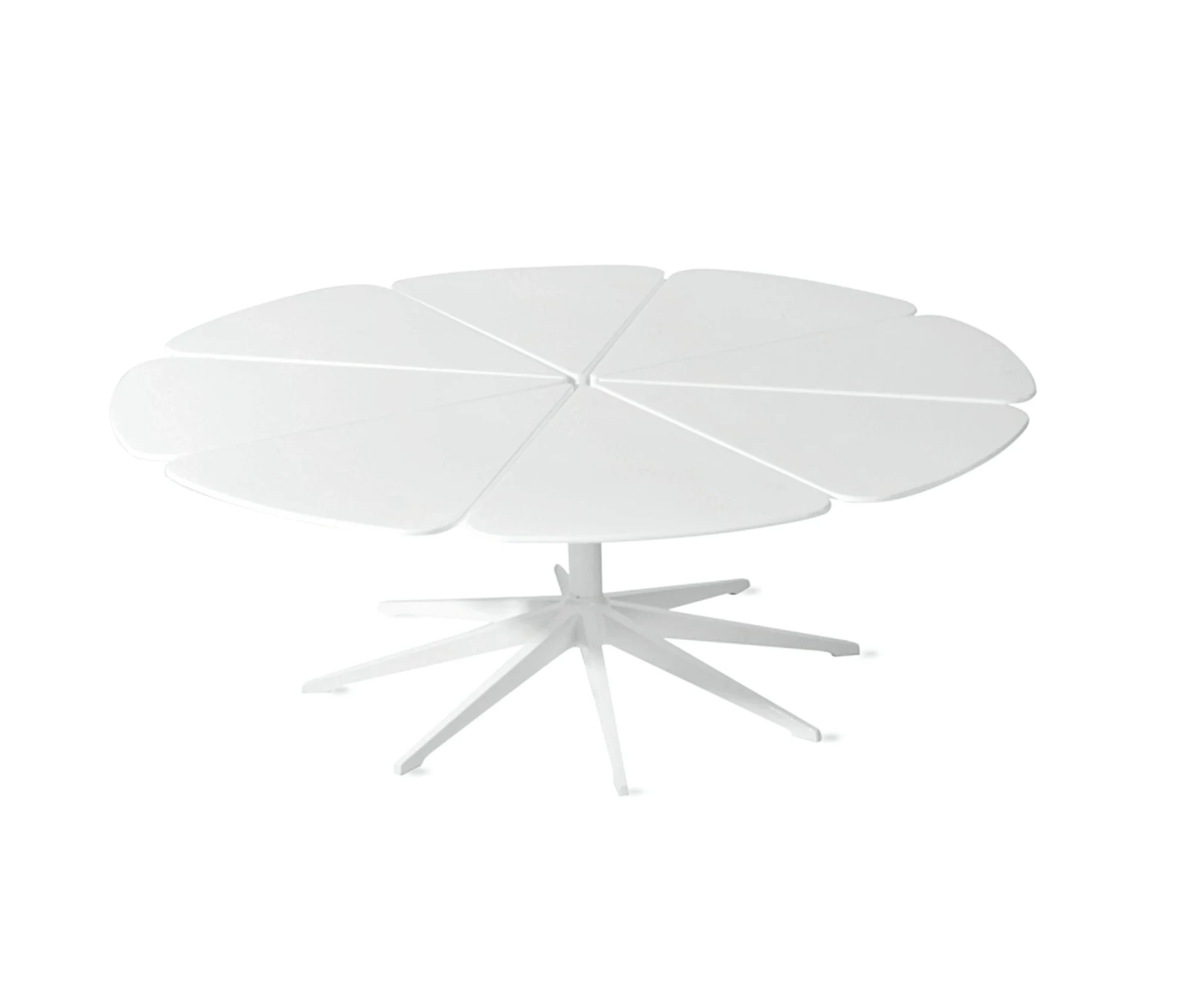
Petal Coffee Table
A low Petal table with eight independently mounted sections and a star base
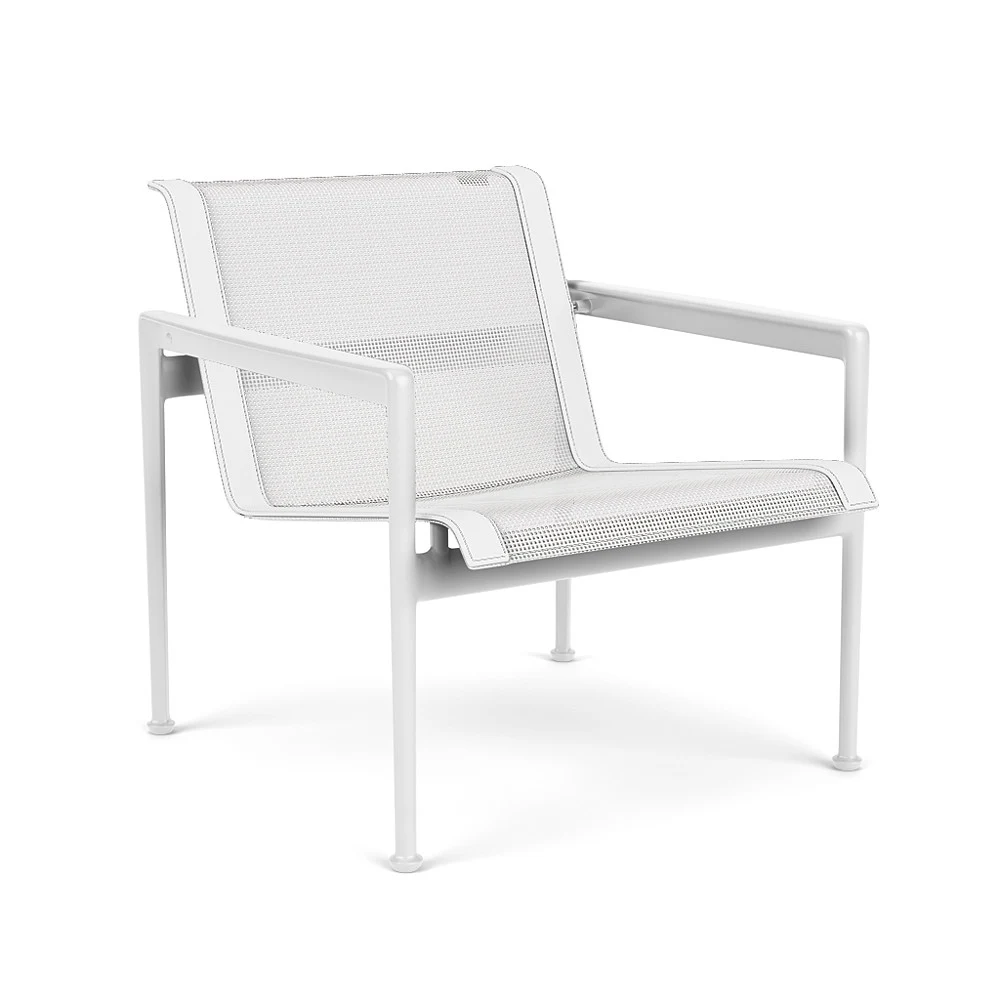
1966 Lounge Chair
Richard Schultz's 1966 outdoor lounge chair in aluminium, mesh and weather-resistant finishes
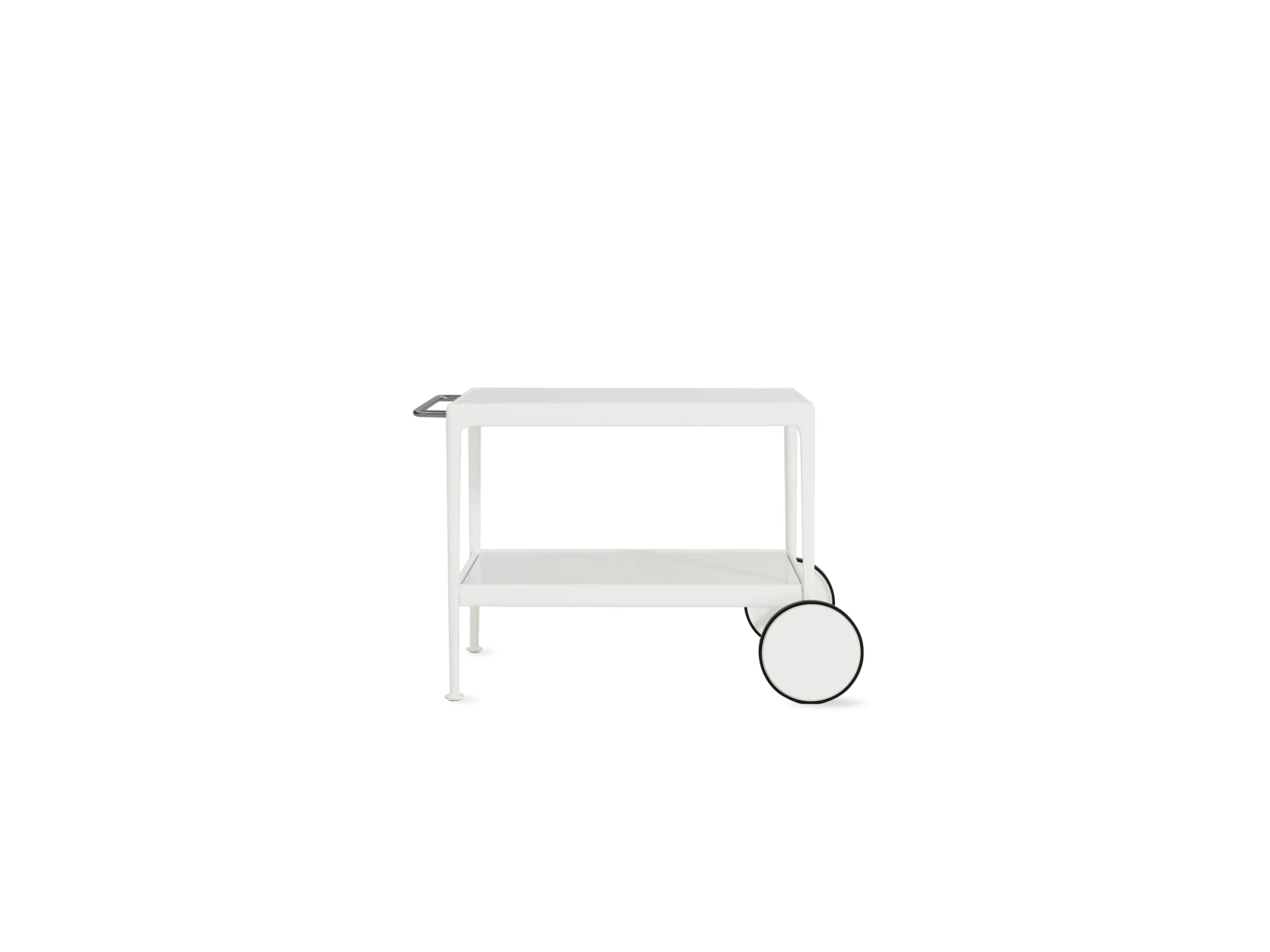
1966 Serving Cart
1966 Serving Cart by Richard Schultz, introduced in 1966
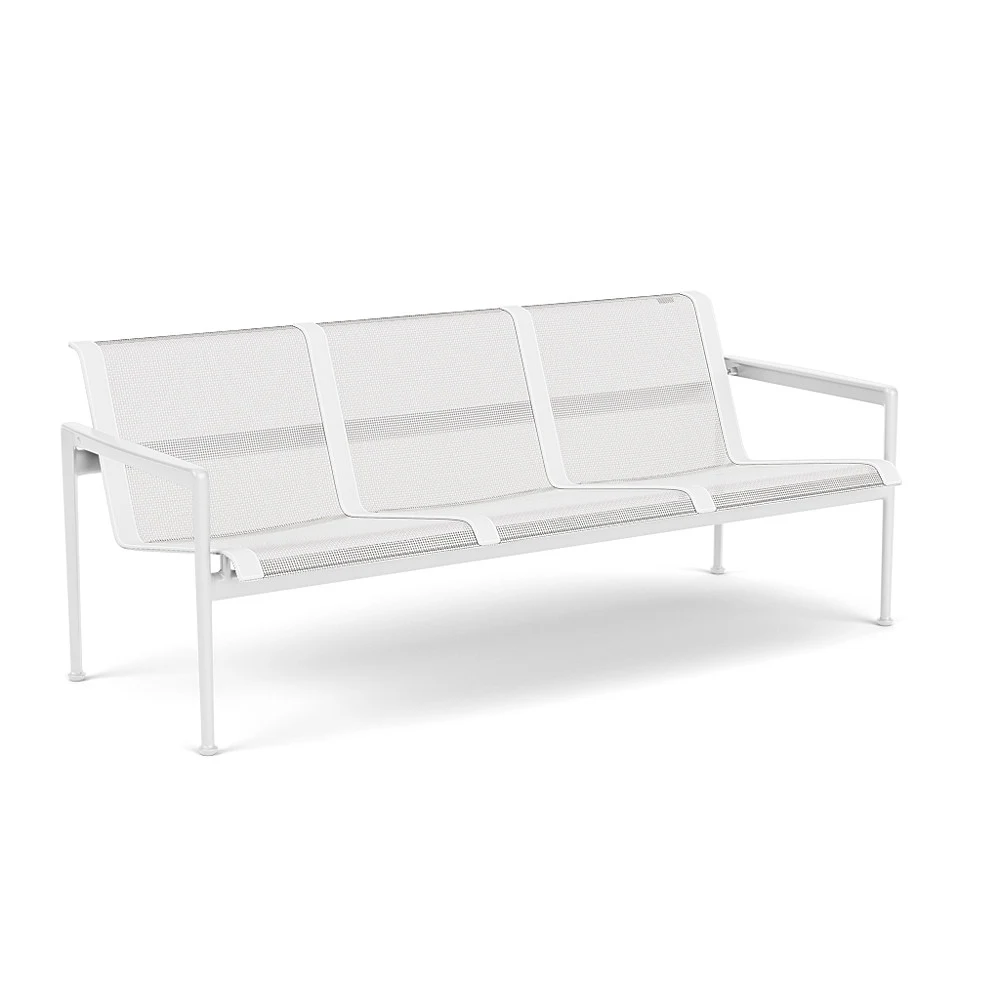
1966 Three Seat Lounge
1966 Three Seat Lounge by Richard Schultz, introduced in 1966
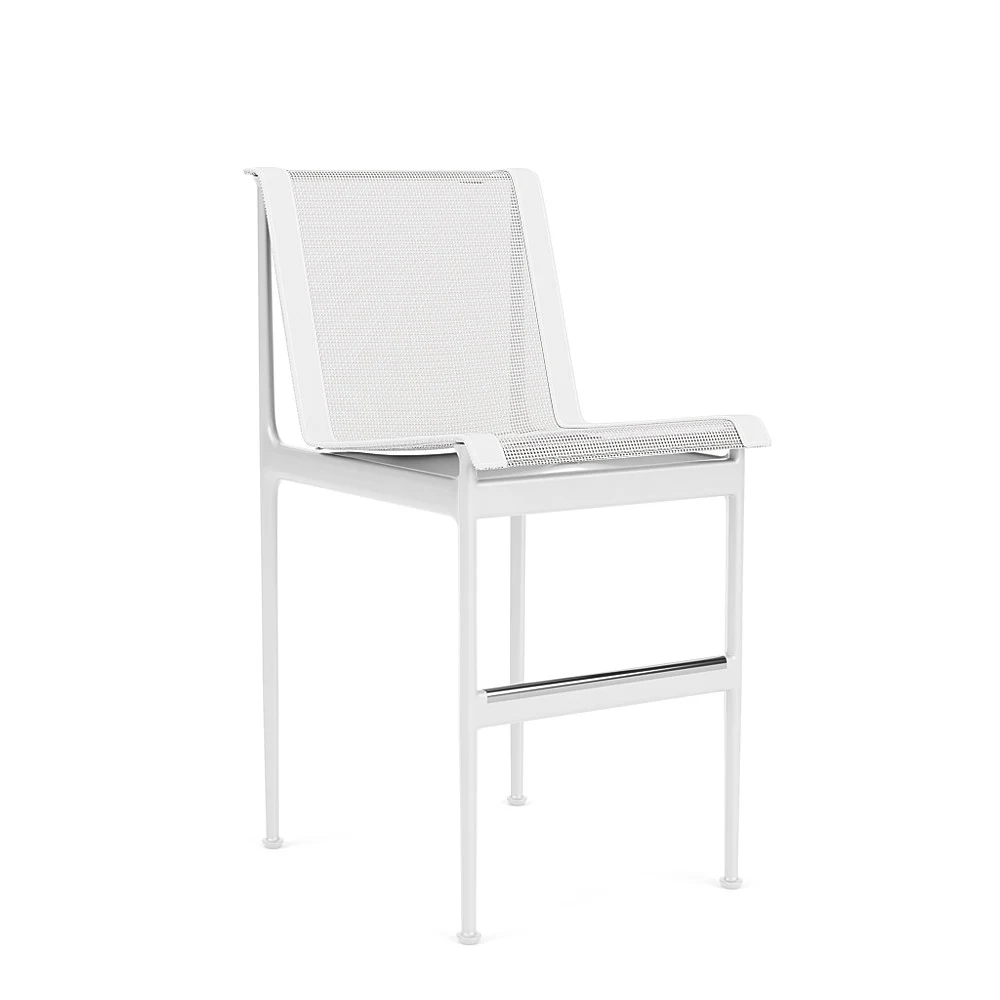
1966 Barstool
1966 Barstool by Richard Schultz, introduced in 1966
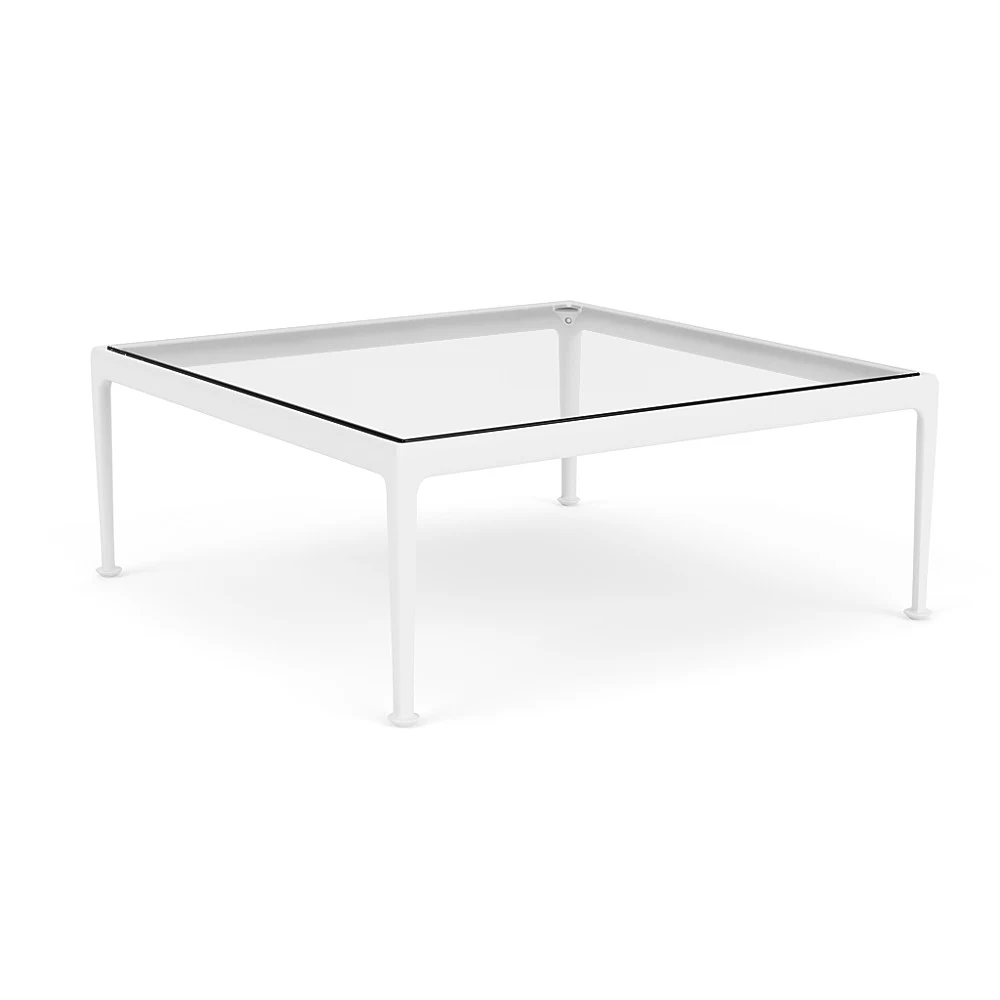
1966 Coffee and End Tables
1966 Coffee and End Tables by Richard Schultz, introduced in 1966